
Why Your Drains Keep Clogging
A slow drain is one of the most persistent and aggravating problems a homeowner can face. You stand in the shower, and by the time you are done, you are ankle-deep in soapy water. You brush your teeth, and the sink fills up faster than it drains. You plunge the toilet, and it seems to work for a day or two, only to back up again at the most inconvenient moment. When drains clog repeatedly despite your best efforts to clear them, it is rarely just a run-of-the-mill blockage. It is usually a symptom of a deeper, systemic issue within your plumbing network. Understanding why these clogs keep coming back requires looking past the drain opening and considering the condition of the pipes hidden in your walls and under your foundation.
The plumbing system in your home is similar to the circulatory system in the human body. When arteries are clear, blood flows freely, but when plaque builds up or a blockage occurs, the entire system suffers. Your pipes work on gravity and air pressure. When debris narrows the diameter of the pipe or an obstruction creates a dam, water cannot exit the home efficiently. Recurring clogs are the plumbing system’s way of telling you that the flow is restricted and that a full failure is imminent. Ignoring these warning signs often leads to a complete sewage backup, which causes significant water damage and health hazards.
For residents in Cedar Park, several local factors and common household habits contribute to this chronic issue. It is not always about what you put down the drain today; often, it is about what has been accumulating for years. Addressing a recurring clog means identifying the root cause rather than just treating the symptom. Whether it is environmental factors, structural defects, or misuse, solving the mystery of the stubborn drain is the first step toward a permanent solution.
The Impact of Hard Water Scale
Central Texas is known for having hard water, which contains high levels of dissolved minerals like calcium and magnesium. While this is not harmful to your health, it wreaks havoc on your plumbing system over time. Just as scale builds up on your showerhead or in your coffee pot, it also accumulates on the interior walls of your sewer and drain pipes. This process, known as calcification, happens slowly and silently. Layer by layer, the minerals deposit onto the pipe, turning a smooth surface into a rough, jagged landscape.
As the scale thickens, the interior diameter of the pipe shrinks. A pipe that started as four inches wide might eventually be reduced to two inches or less. This reduction in size naturally restricts the volume of water and waste that can pass through. More importantly, the rough texture of the scale acts like Velcro for debris. Toilet paper, hair, and food particles that would normally slide through a smooth pipe get snagged on the mineral deposits.
Once a small amount of debris catches on the scale, it traps more waste, and a clog forms. You might clear the soft blockage with a snake or a plunger, but the mineral buildup remains. As soon as you resume normal water use, debris begins to catch on the rough scale again, and the clog returns. Until the scale itself is removed, usually through a process like hydro-jetting, the drain will continue to seize up regularly.
Root Intrusion from Landscaping
Cedar Park has many beautiful neighborhoods with mature trees, but those trees can be the worst enemy of your sewer line. Tree roots are biologically programmed to seek out water and nutrients. A sewer line, filled with water and organic waste, is an attractive target for a thirsty root system. Roots can enter your pipes through microscopic cracks, loose joints, or failing seals. Once inside, they grow rapidly, feeding on the nutrient-rich environment.
Root intrusion creates a mesh-like barrier inside the pipe. It catches everything that goes down the drain, particularly toilet paper and solid waste. A root clog is incredibly difficult to clear with standard home tools. A plunger will do nothing, and a small hand snake might punch a tiny hole through the root mass, restoring flow temporarily. However, the roots are still there, and they will quickly grow back to fill the void or catch more debris.
The cycle of clogging and clearing will continue until the roots are physically cut out and the entry point is sealed. In severe cases, the pressure exerted by the growing roots can crush or collapse the pipe entirely. If you notice that your drains tend to clog after a heavy rain or that multiple fixtures are backing up simultaneously, root intrusion is a likely culprit. It requires professional inspection with a sewer camera to diagnose and specialized equipment to remove.
Grease and Fat Accumulation
The kitchen sink is a hotspot for recurring clogs, and the primary cause is almost always grease. Many people know they should not pour a pan of hot bacon grease down the drain, but they often underestimate the cumulative effect of smaller amounts of oil, butter, and fat. When you rinse a greasy plate or empty a little bit of cooking oil into the sink, it enters the pipes as a liquid. However, as it travels away from the hot water of the sink and into the cooler pipes underground, it solidifies.
Grease coats the walls of the pipe much like hard water scale, but it is sticky. It binds with other food scraps, coffee grounds, and soap scum to form a dense, sludge-like substance. This buildup narrows the pipe and creates a sticky trap for anything else that tries to pass. Over time, this can form a “fatberg” that completely blocks the line.
Repeatedly pouring boiling water or chemical drain cleaners down the sink might melt a small channel through the grease, restoring flow for a short time. However, the grease quickly cools and solidifies again, often further down the line where it is harder to reach. The clog returns because the bulk of the grease is still coating the pipe walls. The only way to stop these clogs is to stop putting grease down the drain and to have the pipes professionally scoured to remove the existing buildup.
The Hair and Soap Scum Matrix
In bathroom drains, hair is the most common obstruction, but it rarely works alone. Hair combines with soap scum, toothpaste, and skin oils to create a formidable barrier. Soap scum is a sticky residue that results from the reaction between soap and the minerals in hard water. It clings to the sides of the pipes and acts as a binder. When loose hair washes down the shower or sink drain, it gets stuck in the soap scum.
Over time, this creates a mat of hair and slime that reinforces itself with every shower. This matrix is tough and resilient. Chemical cleaners often fail to dissolve the hair completely, merely turning the top layer into a sludge while the core of the clog remains intact. You might pull out a clump of hair with a plastic zipper tool, thinking you have solved the problem, only to find the drain slow again a week later.
This happens because the tool only reaches the trap or the very beginning of the pipe. The buildup often extends much deeper into the branch lines. Unless the entire accumulation of soap scum and hair is removed, the remaining sticky surface will immediately start catching new hair, restarting the clogging cycle. Installing drain covers can help, but they cannot fix the buildup that is already inside the walls.
“Flushable” Wipes and Hygiene Products
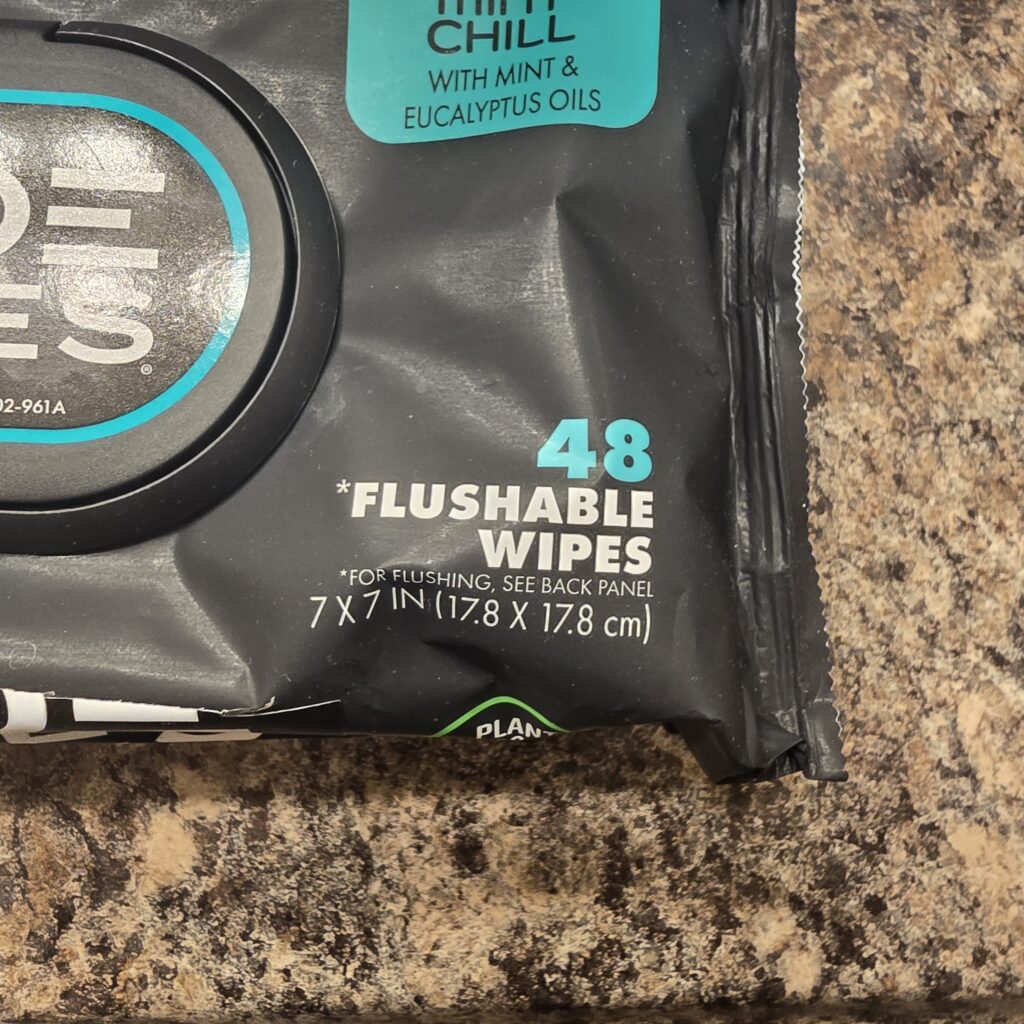
Marketing has created a massive plumbing headache by labeling certain wipes as “flushable.” While these wipes may physically exit the toilet bowl, they do not break down in water like toilet paper. Toilet paper is designed to disintegrate almost instantly when wet. Wipes, on the other hand, are made with synthetic fibers that stay intact. When they enter the plumbing system, they act as physical obstructions.
If your pipes have any imperfections—such as rough spots from scale, small roots, or slight misalignments—wipes will get snagged. Once one wipe is caught, it catches others. Soon, you have a solid mass of cloth blocking the pipe. This is a common cause of recurring toilet clogs. You plunge the toilet, pushing the mass slightly further down the line where the pipe might be wider, allowing water to pass. But the mass is still there, and as soon as it hits another bend or restriction, the backup happens again.
Feminine hygiene products, cotton balls, and dental floss cause similar issues. They are non-degradable items that belong in the trash, not the toilet. If your household frequently flushes these items, you are actively building clogs in your main sewer line. The recurrence will stop only when the habit changes and the existing debris is mechanically removed from the line.
Structural Pipe Defects and Settling
Sometimes, the problem is not what is inside the pipe, but the pipe itself. Cedar Park soil can be expansive, shifting with changes in moisture levels. This ground movement can cause sewer pipes to shift, settle, or break. One common structural issue is a “belly” or a sag in the line. Sewer pipes rely on a precise slope to use gravity to move waste. If a section of the pipe sinks, it creates a low spot where water and waste pool.
In a belly, solids settle to the bottom and accumulate because the water flow is not strong enough to push them up the slope on the other side. This standing water also slows down the momentum of the flush. Over time, the sediment builds up until it blocks the pipe. You can clear the blockage with a snake, but because the sag in the pipe remains, the sediment will immediately start collecting again.
Old cast iron pipes, prevalent in older homes, are also prone to corrosion. The bottom of the pipe can rust out, allowing the jagged edges of the metal to catch debris. These structural defects ensure that clogs are a permanent feature of your plumbing experience until the damaged section of the pipe is repaired or replaced. No amount of cleaning will fix a broken or misaligned pipe.
Recurring clogs are a sign that your home’s plumbing system is struggling against a persistent adversary. Whether it is the silent accumulation of hard water scale, the invasive growth of tree roots, or the consequences of structural shifting, these issues require more than a quick plunger fix. Ignoring the repetition of these backups puts your home at risk for major sewage leaks and water damage. It is a clear signal that the underlying condition of your pipes needs professional attention.
Breaking the cycle of constant clogging requires the right tools and expertise. It starts with accurate diagnostics to see exactly what is happening inside your lines. Once the true cause—be it grease, roots, or a belly in the pipe—is identified, a targeted solution can be applied. This proactive approach saves you money in the long run by preventing emergency service calls and extending the lifespan of your plumbing system.
At Whitestone Plumbing, we specialize in solving the mysteries behind stubborn drains in Cedar Park. We utilize advanced camera inspection technology to pinpoint the source of the problem and high-pressure hydro-jetting to restore your pipes to near-new condition. Don’t settle for a drain that works only half the time. Contact us today to put an end to recurring clogs and restore the free-flowing plumbing your home deserves.