
What A Sudden Spike In Your Water Bill Means
Opening your mail or checking your email to find a utility bill that is double or triple its normal amount is a jarring experience. It immediately triggers a sense of confusion and frustration. You mentally retrace your steps over the last month, wondering if you took extra long showers, watered the lawn too much, or if the city made a billing error. For most homeowners in Cedar Park, water usage tends to be relatively consistent from month to month, fluctuating slightly with the seasons. A sharp, unexplained increase is rarely a glitch in the accounting department. It is almost always a signal that water is escaping your plumbing system somewhere it shouldn’t be.
This financial alarm bell is often the first and only sign of a plumbing problem. Unlike a burst pipe that floods a hallway or a clogged drain that overflows, many leaks are silent and invisible. They occur behind walls, underground, or within the internal mechanisms of appliances. The water meter, however, tells the truth. It registers every gallon that passes from the municipal supply into your property. When that number spikes without a corresponding change in your lifestyle, it serves as a critical warning. Ignoring it means continuing to pay for water you aren’t using, but more importantly, it allows potential water damage to spread unchecked.
Investigating a high water bill requires a systematic approach. You have to move through the home, checking fixtures and appliances one by one. It requires understanding how your water system works and recognizing the subtle signs of failure. While the financial hit is painful, it can be a blessing in disguise if it helps you catch a major leak before it destroys your foundation or rots your framing. Taking immediate action is the only way to stop the drain on your bank account and protect the structural integrity of your home.
The Silent Thief: Running Toilets
The most frequent culprit behind a sudden jump in water costs is the toilet. It seems innocuous, but a toilet that runs continuously can waste thousands of gallons of water in a single billing cycle. The mechanism inside the tank is simple but prone to wear and tear. The flapper valve, a rubber seal that holds water in the tank until you flush, eventually deteriorates. In the mineral-rich water of Central Texas, these rubber components can become brittle or warped, preventing a watertight seal. This allows water to trickle constantly from the tank into the bowl.
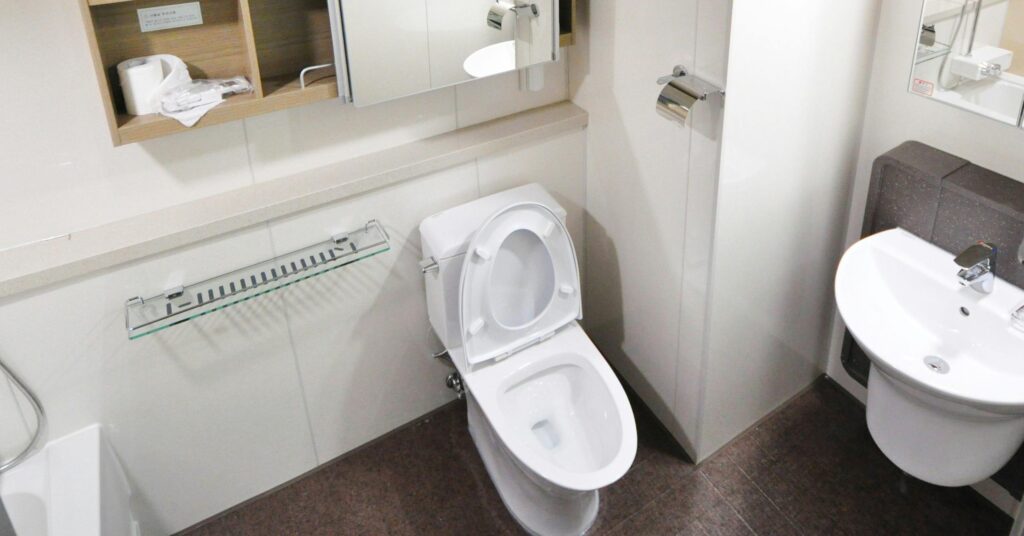
Because the leak is internal, it often goes unnoticed. You might hear a faint hissing sound or the noise of the tank refilling randomly when no one has used it. This “phantom flushing” occurs because the water level in the tank drops low enough to trigger the fill valve, which kicks on to replenish the lost water. If the leak is slow enough, you might not hear anything at all, yet the water continues to flow down the drain 24 hours a day.
Another common issue is the chain connecting the flush handle to the flapper. If it is too short, it prevents the flapper from closing completely. If it is too long, it can get caught under the seal. The fill valve itself can also fail, causing water to run continuously into the overflow tube. Diagnosing this is simple. You can place a few drops of food coloring in the tank and wait fifteen minutes without flushing. If the color appears in the bowl, you have a leak. Fixing a running toilet is usually inexpensive and quick, yet it provides the most immediate relief to your water bill.
Dripping Faucets and Fixtures
A dripping faucet is often dismissed as a minor annoyance, something you plan to fix “eventually.” However, the mathematics of a drip are surprising. A faucet dripping at a rate of one drop per second can waste over three thousand gallons a year. If you have multiple faucets dripping—perhaps one in the guest bathroom, one in the laundry room, and an outdoor spigot—the volume adds up significantly. This usage registers on your meter just the same as a shower or a load of laundry.
Faucets typically leak because the internal washers or O-rings have worn out. Every time you turn the handle, these rubber or silicone parts are compressed. Over years of use, they lose their elasticity or get torn. Sediment from hard water can also build up inside the valve seat, preventing the washer from sealing tightly. The result is a persistent drip that requires more and more force on the handle to stop.
Outdoor spigots, or hose bibs, are frequently overlooked because they are not inside the conditioned space of the home. A leak here can go undetected for months, especially if the drip is absorbed into the ground or hidden by bushes. If you leave a hose connected, the pressure can build up and cause a leak at the connection point or even burst the hose itself. Checking these fixtures regularly is essential. A dry sink and a dry patio are signs of a sealed system; anything else is money going down the drain.
Irrigation System Failures
For many Cedar Park residents, the irrigation system is the largest consumer of water. Keeping a lawn green during the Texas summer requires a significant volume of water. When this system fails, the waste is astronomical because the supply lines are often larger and under high pressure. A single broken sprinkler head can shoot gallons of water per minute onto the sidewalk or street. If your system runs in the early morning hours while you are asleep, you may never see the geyser.
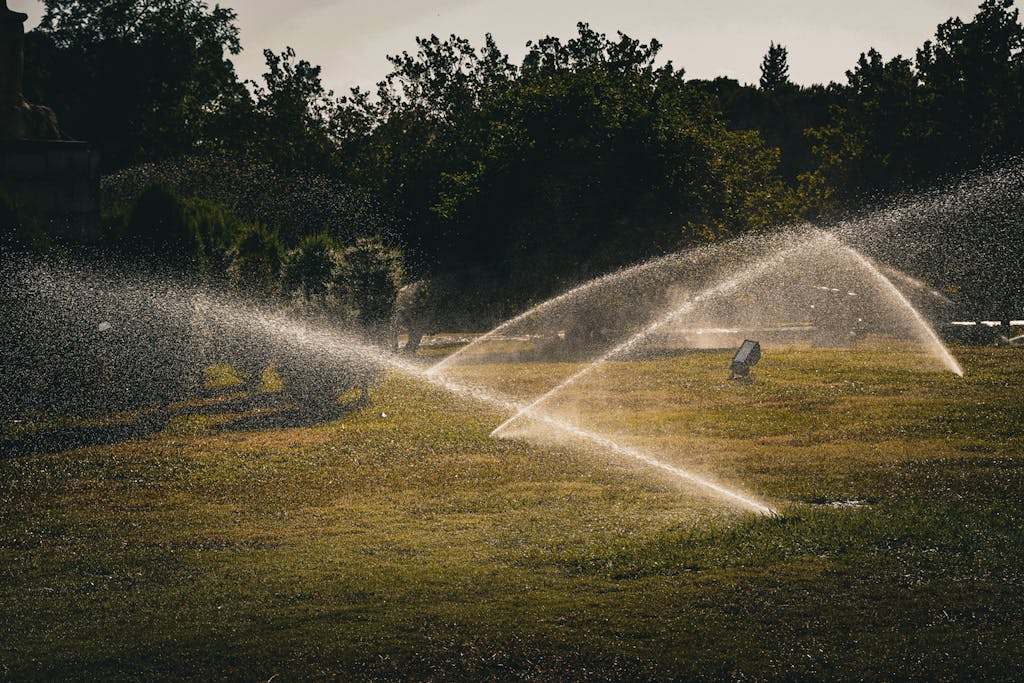
Underground leaks in the irrigation lines are even more deceptive. A PVC pipe can crack due to shifting soil or root intrusion. The water leaks into the soil every time the system turns on. You might notice a patch of grass that is greener or taller than the rest, or a soggy area that never dries out. These are clear indicators of a subsurface leak. Because the system is only pressurized when the timer activates, the leak is intermittent, making it harder to spot on the meter unless you check it while the sprinklers are running.
Timer settings are another source of “phantom” usage. After a power outage, some controllers reset to default settings, which might water your lawn every day instead of once or twice a week. A backup battery failure can lead to erratic watering schedules. Even a rain sensor that fails to trip can cause your system to run during a downpour, wasting water and money. Regular audits of your irrigation system—walking the property while it runs—are necessary to ensure you are watering your grass, not your wallet.
The Hidden Danger of Slab Leaks
Homes in this region are predominantly built on concrete slab foundations. While sturdy, this construction method hides the plumbing lines beneath the concrete. A slab leak occurs when one of these copper or PEX supply lines fails. The water is forced out under high pressure but has nowhere to go. It accumulates in the soil beneath the house or travels along the path of the pipes. This is a worst-case scenario for a sudden bill spike because the leak is usually on the main pressure line, meaning it runs continuously, 24/7.
Detecting a slab leak requires vigilance. Aside from the high bill, you might feel a warm spot on your tile or vinyl floor if the hot water line is the culprit. You might hear the sound of running water in the walls even when all taps are off. In severe cases, water can seep up through the foundation, ruining flooring and soaking drywall. If the soil beneath the house expands due to the moisture, it can heave the foundation, causing cracks in walls and sticking doors.
The cost of a slab leak is twofold: the wasted water and the potential for massive structural damage. Repairing these leaks often involves specialized detection equipment to pinpoint the break, followed by tunneling under the home or breaking through the concrete to access the pipe. It is a major repair, but ignoring it is not an option. The longer the water runs under your foundation, the more unstable your home becomes.
Water Softener Malfunctions
Given the hardness of the local water supply, water softeners are a common appliance in Cedar Park homes. These systems rely on a regeneration cycle to clean the resin beads that trap minerals. During regeneration, the machine flushes water through the tank and out a drain line. Typically, this happens late at night and uses a predictable amount of water. However, mechanical failures can cause the system to get stuck in a continuous cycle.
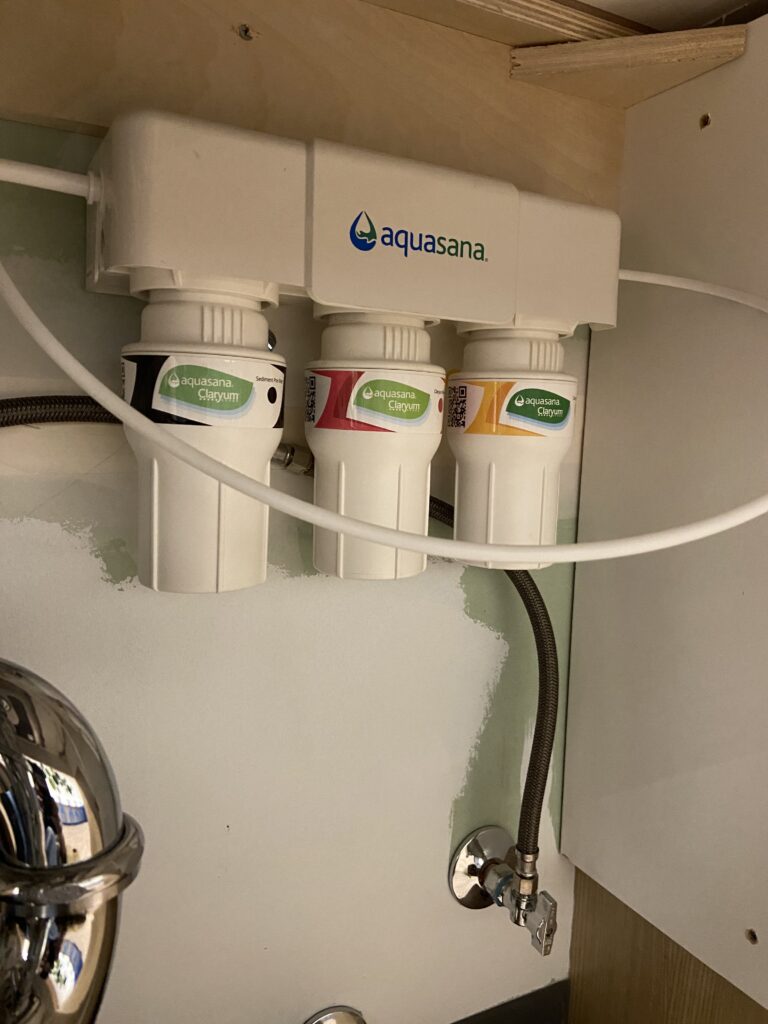
If the valve head malfunctions, the softener may continuously draw water from the supply and flush it down the drain. Because the drain line is usually connected directly to the sewer standpipe or a floor drain, you will never see the water. You might hear the unit running during the day when it shouldn’t, or you might notice a drop in water pressure. A stuck softener can waste hundreds of gallons a day, silently inflating your bill.
Another issue is the brine tank overflow. If the float valve in the salt tank fails, water can fill the tank and spill over, or flow continuously into the overflow drain. Regular maintenance of the water softener is crucial. Checking the settings, ensuring the timer is correct, and listening for unusual operation can save you from a surprise bill. If the unit is old, the internal seals may be worn, necessitating a rebuild or replacement.
Lateral Line Leaks
The water service line, or lateral line, connects the city’s meter near the street to your home’s main shut-off valve. In most municipalities, the homeowner is responsible for this pipe from the meter to the house. If this line develops a leak, it can lose a tremendous amount of water before any physical signs appear on the surface. These pipes are buried deep underground, often under driveways or landscaping.
A leak in the main service line often manifests as a wet depression in the yard or water seeping up through cracks in the driveway. However, depending on the soil type, the water may simply drain away into the earth, leaving no surface evidence. The only clue is the water meter spinning wildly. Because this is the main supply, the pressure is high, and a small crack can widen quickly.
Old galvanized pipes are prone to corrosion, while PVC pipes can crack from ground shifting or rock pressure. Tree roots are also a major threat to these lines. Replacing a main service line is a significant project that involves excavation, but it is the only solution for a compromised pipe. If your bill is high and you have ruled out indoor fixtures and irrigation, the lateral line is the primary suspect.
A sudden spike in your water bill is a stressful event, but it is also a valuable warning system. It is your home’s way of telling you that something is wrong. Whether it is a simple worn-out flapper in a toilet or a complex slab leak threatening your foundation, the high bill forces you to pay attention. The cost of the water is often just the tip of the iceberg; the real danger lies in the potential for long-term water damage to your property. Wood rot, mold, foundation shifting, and landscape erosion are the expensive consequences of ignoring that monthly statement.
Taking a proactive stance is essential. Do not wait for the next bill to see if the problem “fixes itself”—it won’t. Systematically checking your toilets, faucets, irrigation, and other appliances allows you to catch issues early. Understanding how to read your meter empowers you to confirm leaks and isolate their location. It transforms you from a passive victim of high utility costs into a responsible steward of your home.
When the source of the leak is elusive or the repair is beyond your DIY capabilities, professional help is required. Whitestone Plumbing is dedicated to helping Cedar Park residents resolve these costly mysteries. Our team has the technology to detect hidden leaks and the expertise to repair them efficiently. We can stop the waste, lower your bill, and ensure your plumbing system is watertight and reliable. Don’t let a leak drain your bank account—reach out for expert assistance and restore your peace of mind.