
The Real Cost Of Ignoring A Small Leak
The sound of a dripping faucet is often little more than background noise in a busy household. It is a rhythmic, quiet reminder that a washer might need replacing or a valve needs tightening. For many homeowners in Cedar Park, this sound is easy to tune out. Life is hectic, and a few drops of water seem like the least pressing issue on a long list of to-do items. It is easy to rationalize the delay in repairs by thinking the amount of water lost is negligible. A small puddle under the sink or a faint stain on the ceiling often gets categorized as a cosmetic annoyance rather than an urgent plumbing emergency. However, this mindset is where the trouble begins.
Water is a patient and persistent force. It does not need a rushing current to cause damage; it only needs time. When a leak is left unaddressed, it begins a slow process of destruction that extends far beyond the plumbing pipes themselves. The water has to go somewhere, and unfortunately, it usually migrates into the structural components of your home. What starts as a minor inconvenience can rapidly evolve into a catastrophic failure involving rotting wood, compromised drywall, and hazardous mold growth. The initial relief of saving money by skipping a plumber’s visit is quickly overshadowed by the massive expense of remediation and reconstruction.
Understanding the true nature of water damage is essential for responsible homeownership. It is rarely the sudden burst pipe that causes the most financial ruin; it is the slow, silent leak that goes unnoticed or ignored for months. By the time the visible signs become alarming enough to warrant a call to a professional, the damage behind the walls is often extensive. Addressing leaks immediately is not just about stopping the drip; it is about preserving the equity and safety of your home.
The Escalating Water Bill
One of the most immediate and tangible costs of a water leak is the increase in your monthly utility bill. It is easy to underestimate the volume of water a slow drip can waste. A faucet that drips just once per second can waste more than three thousand gallons of water in a year. If you have a running toilet, the numbers are even more staggering, potentially wasting hundreds of gallons a day. This is water that you are paying for but never using. It flows straight from the supply line to the sewer, taking your hard-earned money with it.

For many residents, the realization only hits when they open a bill that is significantly higher than average. In the summer months, it is easy to blame lawn watering or extra showers, but a consistently high bill in the cooler months is a red flag. That money is gone forever, wasted on a defect that could often be fixed with a relatively inexpensive repair. Over the course of a year or two, the cumulative cost of the wasted water can easily exceed the cost of the plumbing service call that would have stopped it.
Municipal water rates are rising across the country, and Cedar Park is no exception. As water becomes a more precious resource, the financial penalty for wasting it increases. Ignoring a leak is essentially a voluntary tax on your household budget. It is a slow bleed of finances that yields no benefit. By fixing the leak promptly, you stop this financial hemorrhage and return your utility costs to a predictable baseline.
Structural Integrity and Wood Rot
The framework of your home relies heavily on wood. From the studs in your walls to the joists holding up your floor, wood is the skeleton of the structure. When wood remains dry, it is incredibly durable and strong. However, when it is exposed to moisture over a prolonged period, it begins to degrade. A small leak under a bathroom vanity or behind a shower wall introduces constant humidity to these wooden components. Unlike a spill that dries up quickly, a leak keeps the wood permanently damp.
This constant moisture creates the perfect environment for wood rot. The cellulose fibers in the wood begin to break down, turning solid beams into soft, spongy mush. In severe cases, structural members can lose their load-bearing capacity. This can lead to sagging floors, warped door frames, and even ceiling collapses. The scary reality is that this process happens silently behind the scenes. You might not see the rot until you lean against a wall and it feels soft, or you notice a dip in the floor when you walk across the room.
Repairing structural damage is a massive undertaking. It involves not just a plumber, but carpenters, drywall specialists, and flooring contractors. You have to open up walls, remove the rotted wood, and rebuild the section of the house. The cost of these construction repairs dwarfs the cost of the original plumbing fix. A simple pipe repair that might have cost a few hundred dollars transforms into a renovation project costing thousands. Protecting the wood in your home means keeping it dry, and that starts with ensuring your pipes are sealed and secure.
The Menace of Mold and Mildew
Where there is water, life eventually follows. In the dark, stagnant environment behind a wall or under a cabinet, a leak provides the hydration necessary for mold spores to germinate. Mold can begin to grow on damp surfaces within twenty-four to forty-eight hours of exposure. Once it takes hold, it spreads aggressively, feeding on the organic materials in drywall, wood, and insulation.
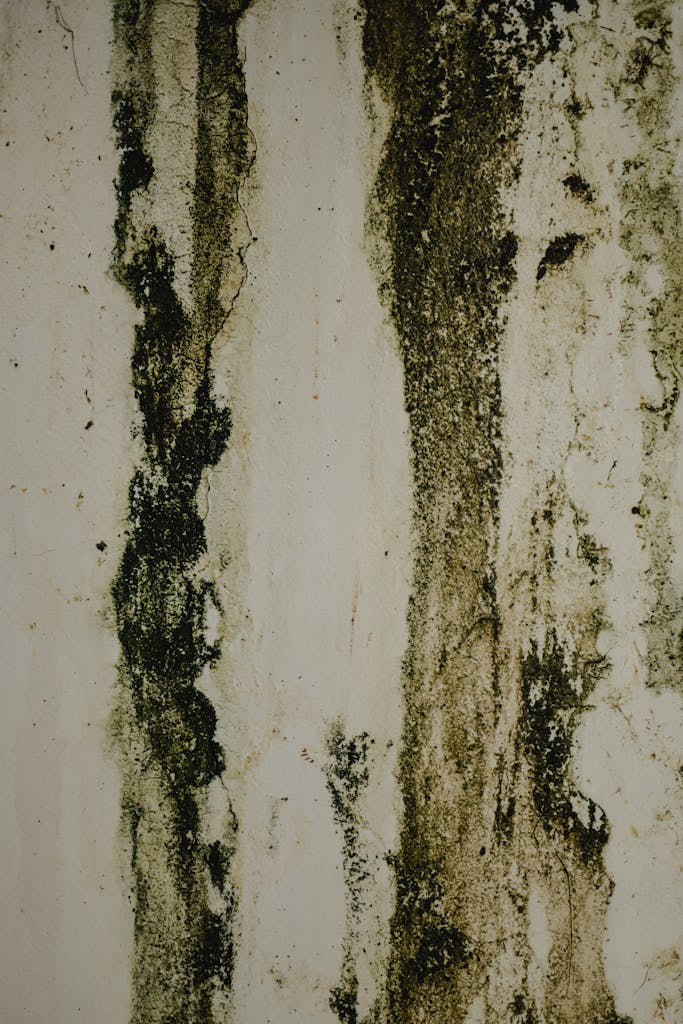
Mold is not just an aesthetic issue; it is a significant health hazard. As the colony grows, it releases spores into the air, which circulate through your HVAC system and degrade the indoor air quality of your entire home. For individuals with allergies, asthma, or compromised immune systems, this can lead to serious respiratory issues and chronic illness. The presence of black mold, in particular, can make a home uninhabitable until it is professionally remediated.
The cost of mold remediation is staggering. It is a specialized process that requires containment, air filtration, and the removal of all affected materials. You cannot simply wipe it away; the infected drywall and insulation must be cut out and bagged. If the mold has spread to the HVAC ductwork, the cleaning process becomes even more complex. Ignoring a small leak essentially rolls out the red carpet for this biological invader. The price you pay includes not just the remediation bill, but the potential medical costs and the immense stress of living in a compromised environment.
Impact on Flooring and Finishes
Water takes the path of least resistance, and gravity often pulls it down into your flooring. If you have a leak in a kitchen or bathroom, the water can seep under tile, laminate, or hardwood. For hardwood floors, water is a death sentence. The wood absorbs the liquid and begins to swell. This causes the planks to cup or warp, pushing against each other until they buckle. Once hardwood creates this cupping effect, it often cannot be sanded down; the wood must be replaced.
Laminate flooring is equally susceptible. While the top layer is water-resistant, the core is usually made of composite material that acts like a sponge. When it gets wet, it expands and blisters. The seams peel up, and the floor becomes uneven and unsightly. Even tile, which is inherently waterproof, is not immune. Water can seep into the grout lines and weaken the subfloor beneath. If the subfloor rots, tiles will crack and pop loose.
Replacing flooring is one of the most disruptive and expensive home improvement projects. You have to clear out furniture, rip up the old material, repair the subfloor, and install new product. If the leak has affected a large open-concept area, you might have to replace the flooring in multiple rooms to maintain a consistent look. A small drip from a refrigerator line or a dishwasher supply hose can ruin an entire kitchen floor if left unchecked.
Pest Infestations
Insects and rodents are constantly on the lookout for two things: food and water. A hidden leak provides a reliable water source that attracts pests to your home. Termites, in particular, are drawn to damp wood. Subterranean termites need moisture to survive, and a leak near the foundation or in a wall stud offers them the perfect conditions to establish a colony. They can eat through the wooden structure of your house undetected, causing massive damage before you ever see a swarm.
Carpenter ants also prefer wet, decaying wood to build their nests. They excavate the wood to create galleries, further weakening the structure. Cockroaches are another pest that thrives in damp environments. They congregate around leaky pipes under sinks and in basements. Once these pests establish a foothold, getting rid of them is difficult.
You end up paying for pest control services in addition to plumbing and construction repairs. Regular spraying might kill the visible bugs, but as long as the moisture source remains, the attraction persists. Fixing the leak removes the primary draw for these unwanted guests. It cuts off their water supply and allows the wood to dry out, making your home much less appealing to destructive insects.
Electrical Hazards
Water and electricity are a dangerous combination. In modern homes, electrical wiring often runs through the same wall cavities and floor joists as plumbing pipes. If a leak sprays or drips onto electrical components, the risk of short circuits and fire increases dramatically. Water can corrode the connections in an outlet or switch, leading to arcing and sparking.
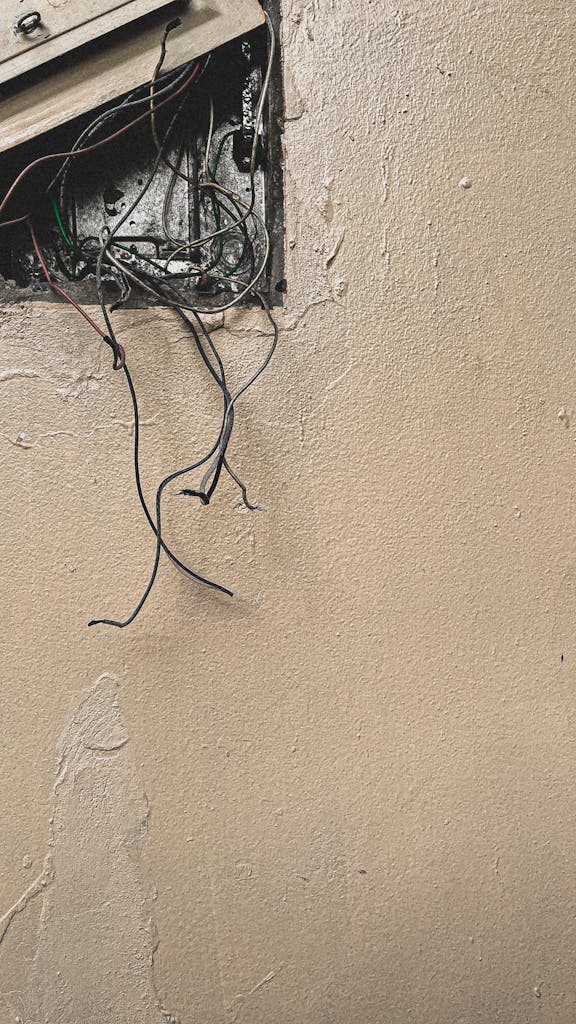
If water finds its way into a light fixture, it can pool inside the globe or housing. You might notice flickering lights or a burning smell, which are immediate warning signs. In the worst-case scenario, water dampens the insulation around wires and creates a conductive path that can electrocute anyone who touches a nearby switch or appliance.
Diagnosing electrical issues caused by water damage is complicated. an electrician has to trace the fault, which often involves opening up walls to inspect the wiring. You are then looking at a bill that includes a plumber, an electrician, and a drywall repairman. The safety of your family is paramount, and mixing water with your electrical system is a risk that should never be taken lightly.
The Foundation and Slab Leaks
In Texas, many homes are built on concrete slab foundations. A slab leak occurs when a pipe buried beneath the concrete breaks or deteriorates. These are among the most insidious types of leaks because they are completely invisible. You might hear the sound of running water when no taps are on, or you might notice a warm spot on the floor. If ignored, the water accumulating under the foundation can cause the soil to shift and swell.
This movement puts immense pressure on the concrete slab, eventually causing it to crack. When the foundation moves, the entire house moves with it. You may start to see cracks in your drywall, doors that will not close properly, and windows that stick. The structural stability of the entire building is compromised.
Repairing a foundation is an incredibly expensive engineering feat. It involves installing piers to lift and level the house. If the damage was caused by a neglected plumbing leak, your insurance company might deny the claim, leaving you with a massive financial burden. Detecting and fixing slab leaks early is critical to preserving the bedrock of your home.
Decreased Property Value
Your home is likely your largest investment. Its value relies on its condition. When you decide to sell, any history of water damage or active leaks will be scrutinized during the inspection process. Inspectors are trained to look for the tell-tale signs of past moisture issues, such as staining, fresh paint patches, or high moisture readings in the walls.
If an inspector finds evidence of an active leak or unaddressed water damage, it gives the buyer significant leverage. They can demand repairs, ask for a reduction in the asking price, or walk away from the deal entirely. A home with a history of plumbing neglect is seen as a high-risk purchase. Buyers worry about what other maintenance tasks have been ignored if the visible leaks were not fixed.
Maintaining your plumbing helps maintain your property value. A dry, well-maintained home inspires confidence in buyers and ensures you get the best market price when you are ready to sell. Ignoring a leak is essentially borrowing equity from your future sale price to save a few dollars today.
The true cost of a small leak is never just the water that drips down the drain. It is a compounding debt that accrues interest in the form of rot, mold, structural failure, and decreased property value. What appears to be a minor nuisance is often the precursor to a major household crisis. Homeowners in Cedar Park must remain vigilant and proactive. Treating every drop as a potential threat to your home’s integrity is the only way to avoid the cascading costs of water damage.
Waiting for a leak to get worse is a strategy that always results in higher costs and more disruption. The transition from a simple washer replacement to a full-scale bathroom renovation can happen faster than you expect. By addressing plumbing issues the moment they are detected, you protect your wallet, your health, and the sanctuary of your home. It is a small investment of time and money that pays dividends in peace of mind and long-term security.
If you suspect a leak in your home or hear the phantom sound of running water, do not hesitate to take action. Whitestone Plumbing offers comprehensive leak detection and repair services for the Cedar Park community. Our experienced team can locate the source of the problem and provide a lasting solution before the damage spreads. Let us help you protect your home from the hidden costs of ignoring a leak.