
Why Your Toilet Keeps Running And How To Stop It
A toilet that keeps running wastes water, raises your utility bill, and creates a constant noise that gets old fast. Most running toilet problems come from a few common parts inside the tank, and many homeowners can spot the issue with a quick look. A running toilet can waste up to 200 gallons of water a day, which adds up fast on your monthly water bill. The good news is that most causes are simple fixes once you know what to check. This guide walks through the main reasons your toilet keeps running, how to diagnose the issue, and when to call a licensed plumber for help. Understanding the inner workings of your toilet tank saves you money and stops the wasted water.
Common Reasons Your Toilet Keeps Running After Flushing
Your toilet runs because water keeps flowing from the tank into the bowl, or from the supply line into the tank. The parts inside the tank work together to fill, hold, and release water on each flush. When one part wears out or gets stuck, the cycle breaks and water keeps moving. Flapper valves, fill valves, and float assemblies are the three main culprits behind a running toilet. Identifying which part is failing is the first step to stopping the problem. Below are the most common causes and what they look like in action.
A Worn Flapper Is The Top Cause Of A Toilet That Keeps Running
The flapper is the rubber seal at the bottom of the tank that lifts when you flush and drops back down to seal the tank. Over time, the rubber hardens, warps, or collects mineral buildup, which stops it from sealing tightly. When the flapper does not seal, water leaks from the tank into the bowl, and the fill valve runs constantly to replace it. You can test the flapper by adding a few drops of food coloring to the tank and waiting ten minutes without flushing. If color shows up in the bowl, the flapper is leaking and needs to be replaced. Flappers are inexpensive and easy to swap out, but the right size matters for a proper seal. Most home improvement stores carry universal flappers that fit standard toilets, though some models need a specific part.
Chlorine tablets and hard water speed up flapper wear, so homes with these conditions often need replacements more often. A flapper that looks fine on the surface can still leak if the rubber has lost its flexibility. Press on the flapper gently; if it feels stiff or brittle, it is time for a new one. The chain that connects the flapper to the flush handle also plays a role. If the chain is too short, it pulls the flapper up slightly and breaks the seal. If the chain is too long, it can get stuck under the flapper and hold it open.
Replacing a flapper takes about ten minutes with no special tools. Turn off the water supply valve behind the toilet, flush to empty the tank, and unhook the old flapper from the overflow tube. Snap the new flapper into place, reconnect the chain with the right amount of slack, and turn the water back on. Test the flush a few times to make sure the seal holds and the tank fills without running. If the toilet still runs after a new flapper, the problem is somewhere else in the tank. A licensed plumber can check the full system if the fix does not solve it.
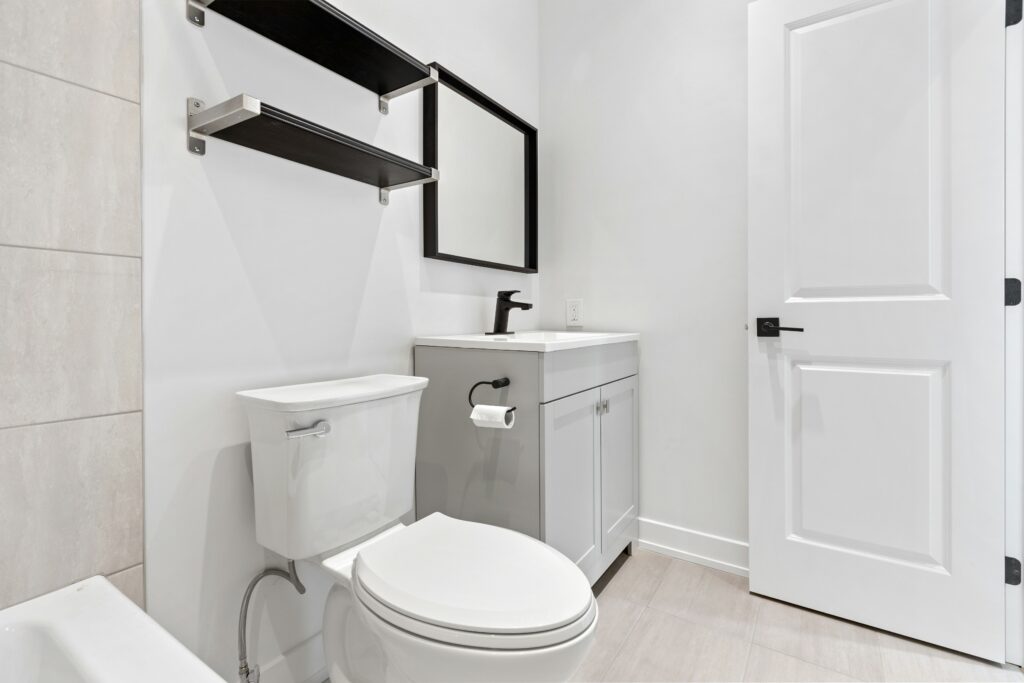
A Faulty Fill Valve Makes Your Toilet Keep Running Even When The Tank Is Full
The fill valve controls how water enters the tank after a flush, and it shuts off once the water reaches the set level. When the fill valve wears out or sticks, it either keeps running past the shut-off point or cycles on and off every few minutes. You might hear a hissing sound from the tank, or the water level might rise too high and spill into the overflow tube. A fill valve that cycles on its own is called phantom flushing, and it wastes water all day long. Sediment, mineral buildup, and old rubber seals inside the valve are the most common reasons it fails. Most fill valves last around five to seven years before needing replacement.
You can often tell the fill valve is bad by lifting the tank lid and watching the water level. If the water rises above the overflow tube or the valve keeps hissing after the tank is full, the valve is the issue. Some fill valves have an adjustment screw or clip that sets the water level, so a quick adjustment might fix the problem. If adjusting does nothing, the internal seals are likely worn out and the whole valve needs to be replaced. Replacement fill valves are sold as complete units, which makes the swap easier than rebuilding the old one. Match the height and style to your toilet for the best fit.
Replacing a fill valve takes about twenty to thirty minutes for most homeowners. Shut off the water, flush the tank, and sponge out any remaining water at the bottom. Disconnect the supply line, unscrew the locknut under the tank, and lift the old valve out. Set the new valve to the right height, drop it in, tighten the locknut, and reconnect the supply line. Turn the water back on and watch the tank fill to make sure the valve shuts off at the correct level. If you run into leaks or the valve does not seat right, click here for our toilet repair service and we will get it handled.
A Float That Sits Too High Or Too Low Causes Your Toilet To Keep Running
The float is the part that rises with the water and tells the fill valve when to shut off. Older toilets use a ball float on an arm, while newer toilets use a cup-style float that slides up and down the fill valve. When the float sits too high, water rises above the overflow tube and drains into the bowl, which keeps the fill valve running. When the float sits too low, the tank never fills enough, and you get a weak flush. Adjusting the float is usually the simplest fix for a running toilet, and it takes just a minute or two. The water level should sit about one inch below the top of the overflow tube for proper operation.
On a ball float, you can bend the metal arm gently downward to lower the water level, or upward to raise it. Most ball floats also have a screw on the fill valve that moves the arm up or down without bending. Cup-style floats usually have a clip or screw on the side that you slide or turn to change the height. Make small adjustments and flush the toilet to test each change before going further. A float that will not stay at the right level even after adjusting might be cracked or waterlogged. Shake the float gently; if you hear water inside, replace it.
Sometimes the float rubs against the side of the tank or gets stuck on the fill valve, which stops it from moving freely. Check that the float has clear room to travel up and down without catching on anything. Mineral buildup on the fill valve stem can also keep a cup-style float from sliding smoothly, so a quick clean with vinegar helps. If the float is fine but the water level still keeps rising, the problem is probably the fill valve itself. Addressing float issues early saves water and stops the running sound from becoming a nightly annoyance. For ongoing issues, a professional inspection gets to the root of the problem.
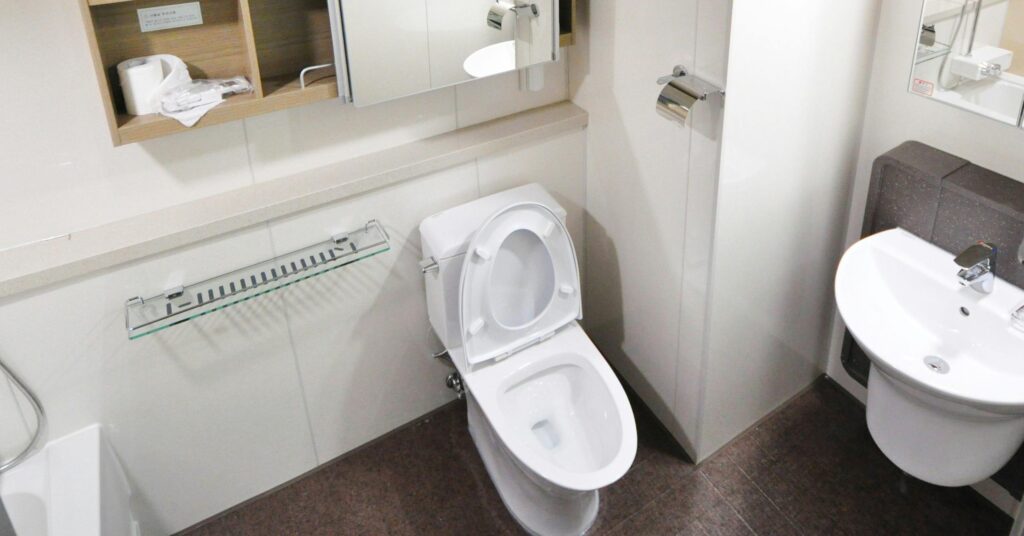
How To Diagnose Why Your Toilet Keeps Running Step By Step
Knowing where to look inside the tank saves time and helps you fix a running toilet faster. The diagnosis process is simple and follows a logical order from the most common causes to the less common ones. Start with a visual check, then move to water level tests, and finish with part-specific troubleshooting. Most running toilets fall into one of three categories, and a few minutes of inspection usually points to the fix. Having a flashlight and a roll of paper towels nearby makes the job easier. Here are the steps to diagnose the problem in your own bathroom.
Start With A Visual Check To Diagnose Why Your Toilet Keeps Running
Lift the tank lid carefully and set it on a towel so it does not crack. Look at the water level inside the tank and compare it to the top of the overflow tube. If water is flowing over the top of the overflow tube, the float or fill valve is the problem. If the water level sits below the overflow tube but the toilet still runs, the flapper is likely leaking. Listen for the source of the sound; hissing usually points to the fill valve, while a trickling sound points to the flapper. This first look narrows down where to focus your next steps.
Next, check the flapper for any visible damage like cracks, warping, or mineral buildup. Press the flapper down with a finger and see if the running stops; if it does, the flapper is not sealing on its own. Also check that the flapper chain is not tangled, too tight, or too loose. A chain with too much slack can drop into the flapper area and block the seal. Tighten or trim the chain so it has just a small amount of slack when the flapper is closed. This quick test alone solves many running toilet issues without any parts.
Look at the float and the fill valve for anything out of place. The float should move freely without hitting the tank walls or other parts. Check the supply line under the tank for leaks or loose connections, since a weak supply can also cause strange behavior. Shine a flashlight on the bottom of the tank to look for cracks, though these are rare. If nothing looks obviously wrong after this check, move on to the food coloring test and water level adjustments. A methodical approach finds the issue faster than guessing.
Use The Food Coloring Test To Diagnose A Toilet That Keeps Running
The food coloring test is a simple way to confirm a flapper leak without taking anything apart. Put about ten drops of dark food coloring into the tank water and stir gently with a stick or spoon. Do not flush the toilet for at least ten to fifteen minutes after adding the color. Check the bowl after the wait; if the water in the bowl has turned the color of the dye, the flapper is leaking. A clear bowl after the wait means the flapper is sealing properly and the problem is elsewhere. This test works well because it gives a clear yes or no answer.
Clean up after the test by flushing the toilet a few times to clear the colored water from the tank and bowl. If you do not flush soon enough, the dye can stain the bowl, especially on older porcelain. For darker stains, a toilet bowl cleaner with bleach usually takes the color out. Skip this test if you have young kids or pets who might get into the colored water. Keep the lid down during the wait to keep things clean. Record the results so you know which part to focus on next.
A positive food coloring test means the flapper needs replacement, or the flush valve seat underneath is rough and not sealing. Run a finger along the top edge of the flush valve where the flapper sits and feel for roughness or buildup. A rough seat can be smoothed with fine sandpaper, or the whole flush valve may need replacement for a permanent fix. If the flapper is new but the test still shows a leak, the seat is almost always the cause. For tough cases, calling a plumber saves time and gets the right parts the first time. Click here for our toilet repair service if the problem keeps coming back.
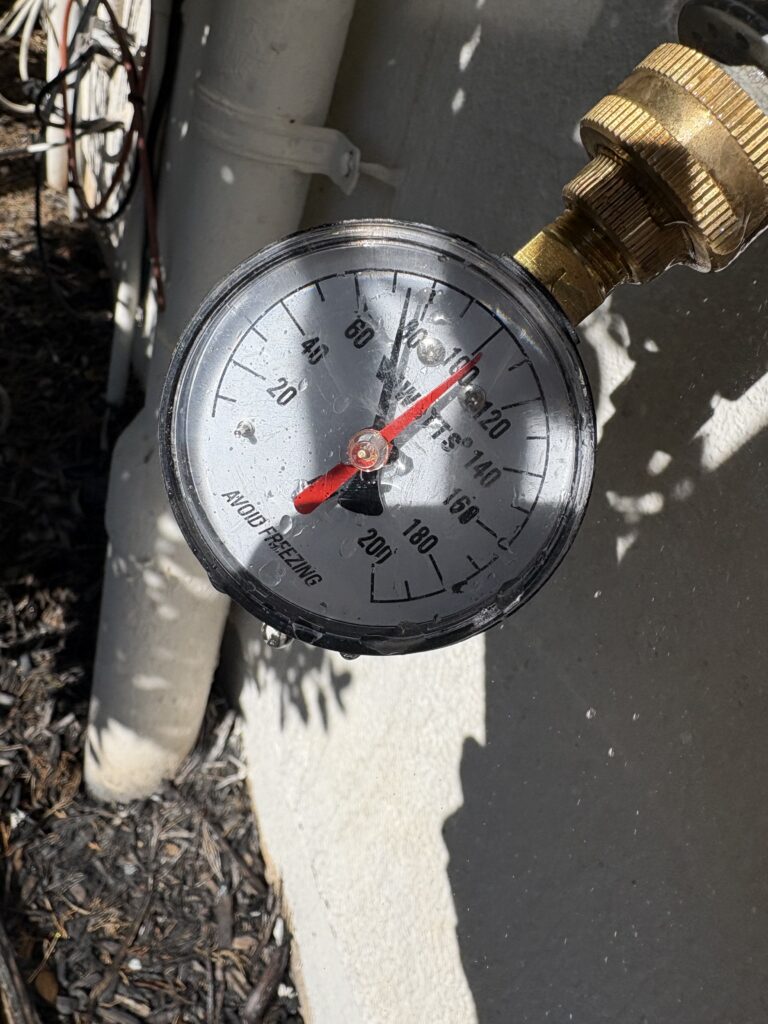
Adjust The Water Level To Diagnose Why Your Toilet Keeps Running
The water level inside the tank should sit about one inch below the top of the overflow tube, and most tanks have a fill line marked on the side. If the water is above this mark, it will spill into the overflow tube and keep the fill valve running. Lower the water level by adjusting the float down, either by bending the arm, turning the screw, or sliding the clip. Make small changes and flush the toilet between each change to see the effect. Watch the tank refill and see where the water stops once the fill valve shuts off. Keep adjusting until the level sits at or just below the fill line.
If the water level will not come down even after adjusting the float all the way, the fill valve is likely the problem. Sometimes the float is stuck in an up position because of buildup on the valve stem or a cracked float. Clean the valve stem with vinegar and check the float for cracks or water inside. If neither helps, plan to replace the fill valve. A new fill valve with a fresh float usually fixes both problems in one job.
After adjusting the water level, watch the toilet for a few hours or a day to make sure the running stops. Sometimes a small leak continues at a slower rate, which you might only notice as occasional fill cycles. If the toilet kicks on every ten or fifteen minutes without being flushed, there is still a small leak somewhere. Running checks over time catches slow leaks that a single test might miss. Log any strange behavior so you can share it with a plumber if you need help. Catching the issue early saves water and keeps your bill lower.
Why You Need Professional Toilet Repair For A Running Toilet
Some running toilet problems are simple DIY fixes, but others point to deeper issues that need a licensed plumber. If you have replaced parts and the toilet still runs, or if you see water around the base of the toilet, it is time to call for help. A professional plumber has the tools and experience to spot issues like cracked tanks, bad flush valves, or supply line problems that a homeowner might miss. Getting the repair right the first time saves money compared to repeated DIY attempts that do not hold. Whitestone Plumbing serves Cedar Park, Austin, Round Rock, Georgetown, and the surrounding area with fast, honest plumbing repair. Here is why a professional repair makes sense.
A Licensed Plumber Saves You Time On Toilet Repair
Fixing a running toilet sounds easy until the parts do not match, the supply line leaks, or the flush valve is stuck in place. A licensed plumber has the right parts on the truck and the experience to pick the best fit for your toilet. What might take a homeowner a full afternoon can often be done in under an hour by a professional. You also get the peace of mind that comes with a warranty on the work. Plumbers spot related issues like old supply lines or leaking shut-off valves while they are on the job. Catching those extra issues early stops bigger repair bills later.
Trips to the hardware store add up when you are not sure which part to buy. A plumber has already stocked the truck with flappers, fill valves, floats, and other common parts. This saves you the back-and-forth and the guesswork of picking the right replacement. A pro also knows which brands hold up best over time and avoids the cheap parts that fail within a year. Spending a bit more on a service call often saves you money over the long run. The job gets done once and stays done.
Scheduling a repair with a local plumber is easy and often same-day for simple jobs. Whitestone Plumbing offers free estimates and clear pricing, so you know the cost up front before any work starts. No surprise charges, no hidden fees, just honest service. Call or email to set up a time that works for you, and we will handle the rest. Most running toilet repairs are completed in one visit. You get your quiet bathroom back and a toilet that works like new.
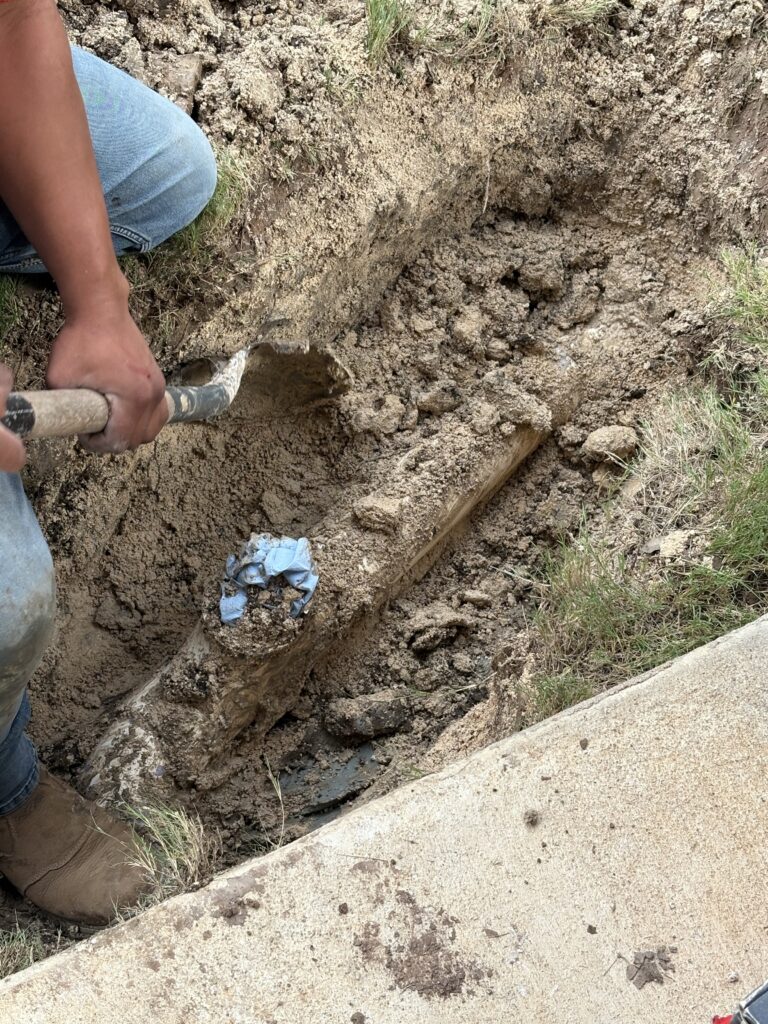
Professional Toilet Repair Fixes The Root Cause Of A Running Toilet
A running toilet often has more than one issue working together. You might replace the flapper and still have a running problem because the fill valve is also going bad. A plumber checks the full system and catches every issue in one visit, so you are not calling back in a week for the next part. This full-system approach costs less over time than fixing one part at a time. It also catches slow leaks, worn supply lines, and loose connections that DIY fixes often miss. Addressing the full picture gives you a toilet that works for years, not months.
Hard water, chlorine tablets, and old pipes all play a role in how long toilet parts last. A plumber knows what to look for based on the water conditions in your area. Cedar Park and the surrounding Austin area have hard water in many neighborhoods, which speeds up wear on rubber and plastic parts. A professional picks parts that stand up to local water conditions. This makes a big difference in how often you need repairs down the road. The right parts paired with the right install add years to your toilet.
A full inspection also catches problems you did not notice yet. Cracks in the tank, loose bolts, and worn wax rings can all cause leaks that show up later. A plumber checks the base of the toilet, the supply line, and the shut-off valve as part of the service. These small checks prevent water damage and mold issues in the floor and walls. One visit handles the running toilet and makes sure nothing else is about to fail. This kind of thorough work is what sets a professional repair apart from a quick DIY fix.
Why Choose Whitestone Plumbing For Your Toilet Repair Needs
Whitestone Plumbing has over 20 years of experience serving Cedar Park, Austin, Round Rock, Leander, Georgetown, Pflugerville, and nearby areas. We are locally owned and operated, licensed, insured, and backflow certified. Our team shows up on time, treats your home with respect, and leaves the work area clean. We offer free estimates with clear, honest pricing so you know what you are paying for before we start. No surprises, no pressure, just quality plumbing work that lasts. That is why our customers rate us five stars again and again.
We handle all toilet repair jobs, from running toilets and weak flushes to full replacements and new installs. Our trucks carry the parts needed for most common repairs, so we finish the job in one visit most of the time. If you have a bigger plumbing problem, we handle that too with the same honest approach. We also offer 24/7 emergency plumbing service, so you are never stuck with a flooding bathroom overnight. Call us any hour, any day, and we will be there. That kind of reliability is hard to find.
When you work with Whitestone Plumbing, you get a team that cares about getting the job right the first time. We use quality parts, do thorough work, and stand behind every repair. Our reputation is built on honest service and real results, not fancy marketing. Whether it is a running toilet, a leak, or a full remodel, we treat your home like our own. Call us at (512) 826-6217 or email info@callwhitestone.com to schedule a repair. Click here for our toilet repair service to learn more about what we offer.