
How To Tell If Your Garbage Disposal Is Dying
A garbage disposal works hard every day, grinding up food scraps and keeping your kitchen sink draining properly. Over time, the motor wears down, the blades dull, and the internal components start to fail. Most homeowners do not notice the warning signs until the unit stops working completely, leaving them with a clogged sink and a messy cleanup. Knowing the early symptoms of a dying garbage disposal can save you money, prevent water damage, and help you plan a replacement before an emergency. Spring is the perfect time to inspect your kitchen plumbing after heavy holiday cooking and winter use. A failing disposal often sends clear signals, and catching them early makes the repair or replacement process much smoother.
Common Warning Signs Your Garbage Disposal Is Dying
Your garbage disposal will not fail without warning in most cases. It gives off signals through sound, smell, and performance long before it stops working entirely. Paying attention to these early indicators helps you avoid a sudden breakdown in the middle of dinner prep. A disposal that is nearing the end of its life often shows several symptoms at once, which makes the problem easier to identify. Homeowners in Cedar Park, Leander, and Georgetown should take these signs seriously, especially in households that use the disposal daily.
Strange Noises Mean Your Garbage Disposal Is Dying
A healthy garbage disposal produces a steady grinding sound when it runs. When the unit starts making loud banging, rattling, or metallic scraping noises, something inside has shifted or broken. Loose blades, worn bearings, or foreign objects stuck in the grinding chamber all cause these sounds. Ignoring the noise only makes the damage worse and can lead to a completely seized motor. If the noise continues after you check for trapped items, the internal components are likely failing.
A humming sound without any grinding action points to a jammed or burned out motor. The motor is trying to spin, but something is blocking it or the windings have failed. Running a humming disposal for more than a few seconds can overheat the motor and cause permanent damage. You should turn off the power at the breaker immediately and inspect the unit. A disposal that hums repeatedly, even after resetting, is telling you its time is almost up.
Clicking or clanking noises often mean the impellers have broken off or come loose inside the chamber. These small metal pieces spin at high speed to push food against the grinding ring. When they break, the disposal cannot process waste properly, and the loose parts bounce around inside the unit. This type of damage is rarely worth repairing on an older disposal. A replacement is usually the most cost effective solution at this stage.
Persistent Odors Mean Your Garbage Disposal Is Dying
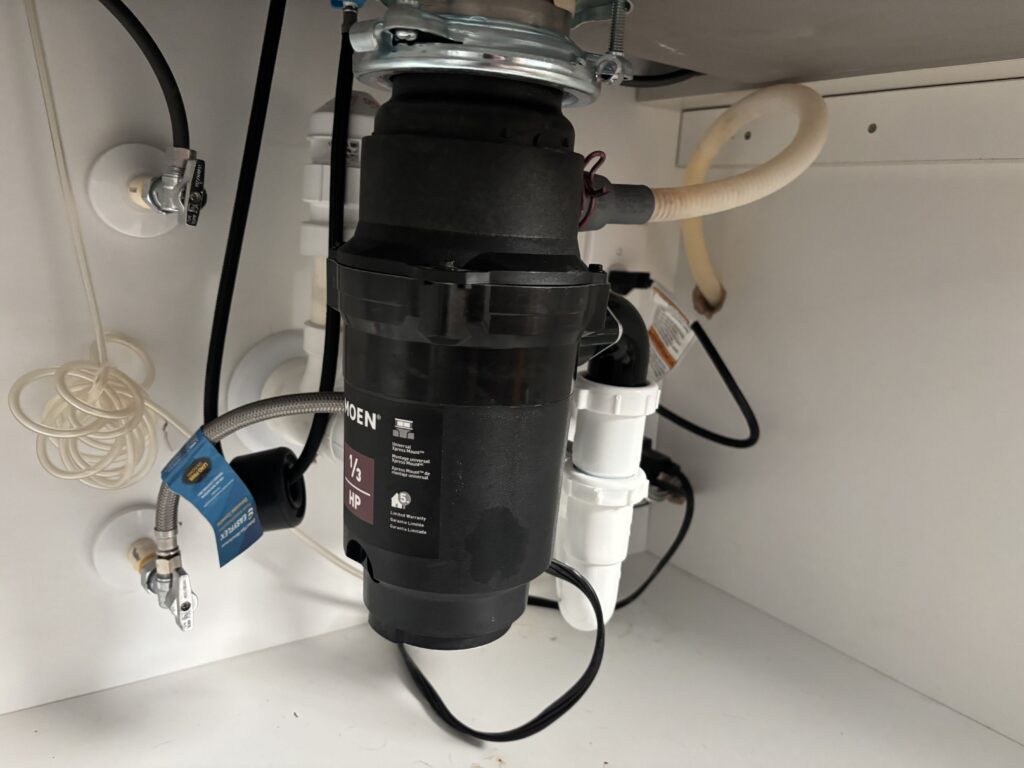
A bad smell coming from your disposal is not always a sign of failure, but a smell that will not go away is different. Food particles trapped in cracked grinding components or damaged seals create a breeding ground for bacteria. Regular cleaning with ice, salt, and citrus peels should eliminate most odors within a day or two. When the smell returns quickly or never fully disappears, the internal housing may be cracked or corroded. At that point, the unit is holding onto waste that you cannot reach.
Corrosion inside the disposal creates rough surfaces where food sticks and rots. Older units with worn interior coatings develop rust patches that hold moisture and debris. The smell often has a metallic or sour quality that is different from normal food odors. You may also notice the scent getting stronger when the disposal runs. This combination points to a unit that has reached the end of its useful life.
Leaks under the sink combined with persistent odors signal a failing disposal housing. When the metal or plastic body cracks, water and food particles seep out and collect in the cabinet below. The trapped moisture creates mold and mildew, which adds to the smell. Checking under your sink regularly helps you catch this problem early. Need help with a smelly or broken disposal? Click here for our garbage disposal repair service.
Frequent Resets Mean Your Garbage Disposal Is Dying
Every garbage disposal has a reset button on the bottom of the unit. This button trips when the motor overheats or overloads, cutting power to protect the internal components. Pressing the reset button once every few months is normal for a healthy disposal. Needing to reset it weekly, or even daily, is a clear sign of trouble. The motor is struggling to do its job, and each reset shortens the overall lifespan.
Overheating happens when the motor works harder than it should to grind food. Worn bearings, dull blades, and built up debris all force the motor to draw more power. The thermal overload switch responds by cutting the circuit to prevent a fire. While the reset button solves the immediate problem, it does not fix the underlying wear. A disposal that trips repeatedly is on borrowed time.
Electrical issues also cause frequent resets in aging disposals. The wiring inside the unit degrades over years of vibration and moisture exposure. Loose connections and frayed wires create short circuits that trip the reset switch. These problems are dangerous and should not be ignored. Replacing the unit is safer and more reliable than continuing to reset a failing disposal.
How Age and Performance Affect Your Dying Garbage Disposal
Most garbage disposals last between eight and fifteen years, depending on the brand, usage, and maintenance. A unit that is pushing the upper end of that range is naturally going to show signs of wear. Performance drops gradually, and many homeowners adjust their habits without realizing the disposal is failing. Checking the age of your unit gives you a baseline for deciding between repair and replacement. An older disposal with multiple symptoms is almost always better off replaced.
Slow Grinding Shows Your Garbage Disposal Is Dying
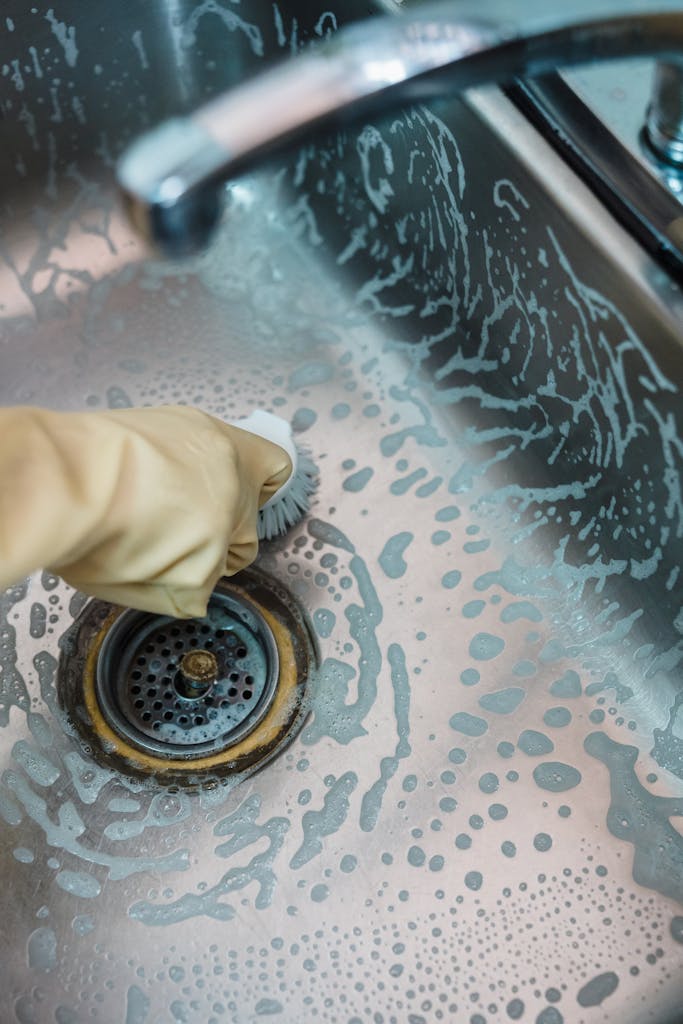
A new disposal grinds food quickly and flushes it down the drain with ease. As the blades dull and the motor weakens, grinding takes longer and leaves larger particles behind. You may notice the unit running for extended periods before the sink clears. Food pieces come back up through the drain instead of going down. This sluggish performance is a hallmark of an aging disposal.
Dull blades cannot break down fibrous foods like celery, potato peels, or chicken skin. These items wrap around the grinding components and slow the unit down further. Even soft foods like pasta and rice become a challenge for a tired disposal. Running hot water and using small batches helps, but it does not fix the underlying problem. A disposal that cannot handle normal kitchen waste is no longer doing its job.
Slow grinding also leads to drain clogs further down the line. Partially ground food collects in the P trap and pipes, creating blockages that require professional cleaning. Repeated clogs in the kitchen sink often trace back to a failing disposal. Need fast drain service? Click here for our drain cleaning service. Addressing the disposal at the same time prevents the clogs from coming back.
Water Leaks Show Your Garbage Disposal Is Dying
Leaks are one of the most serious signs of a dying garbage disposal. Water dripping from the bottom of the unit usually means the internal seals have failed. Once the housing is compromised, no amount of sealant or tightening will fix it permanently. The leak will return and often gets worse quickly. Replacing the disposal is the only reliable solution at this point.
Leaks at the top of the disposal, where it connects to the sink, are sometimes repairable. The plumber’s putty or gasket may have dried out and needs replacement. However, if the leak persists after a proper reseal, the flange or sink mount may be damaged. A cracked flange means the unit has shifted or corroded beyond repair. This is another case where replacement makes more sense than patching.
Side leaks near the dishwasher connection or drain pipe point to loose fittings or a cracked housing. These leaks are often small at first but grow over time. Water damage to the cabinet, subfloor, and surrounding plumbing adds up fast. Catching a leak early saves you from a larger repair bill. An old disposal with any leak should be inspected by a licensed plumber right away.
Constant Clogs Show Your Garbage Disposal Is Dying
A working disposal should prevent clogs, not cause them. When your kitchen sink backs up repeatedly, the disposal is often the culprit. Food particles that are not ground finely enough get stuck in the drain line. Even with regular cleaning, the clogs keep coming back. This pattern indicates the disposal is no longer processing waste correctly.
Clogs combined with slow drainage point to a unit that cannot push food through the pipes. The motor may still run, but the grinding action is weak. Water pools in the sink while the disposal struggles to clear the waste. You may also hear gurgling sounds as air gets trapped in the line. These symptoms together suggest the disposal needs to be replaced soon.
Backups that affect other fixtures, like the dishwasher, are especially concerning. A failing disposal can allow wastewater to flow back into connected appliances. This creates sanitation issues and can damage the dishwasher over time. Fixing the disposal protects the rest of your kitchen plumbing. Ignoring the problem leads to bigger and more expensive repairs down the road.
Why You Need Professional Help for a Dying Garbage Disposal
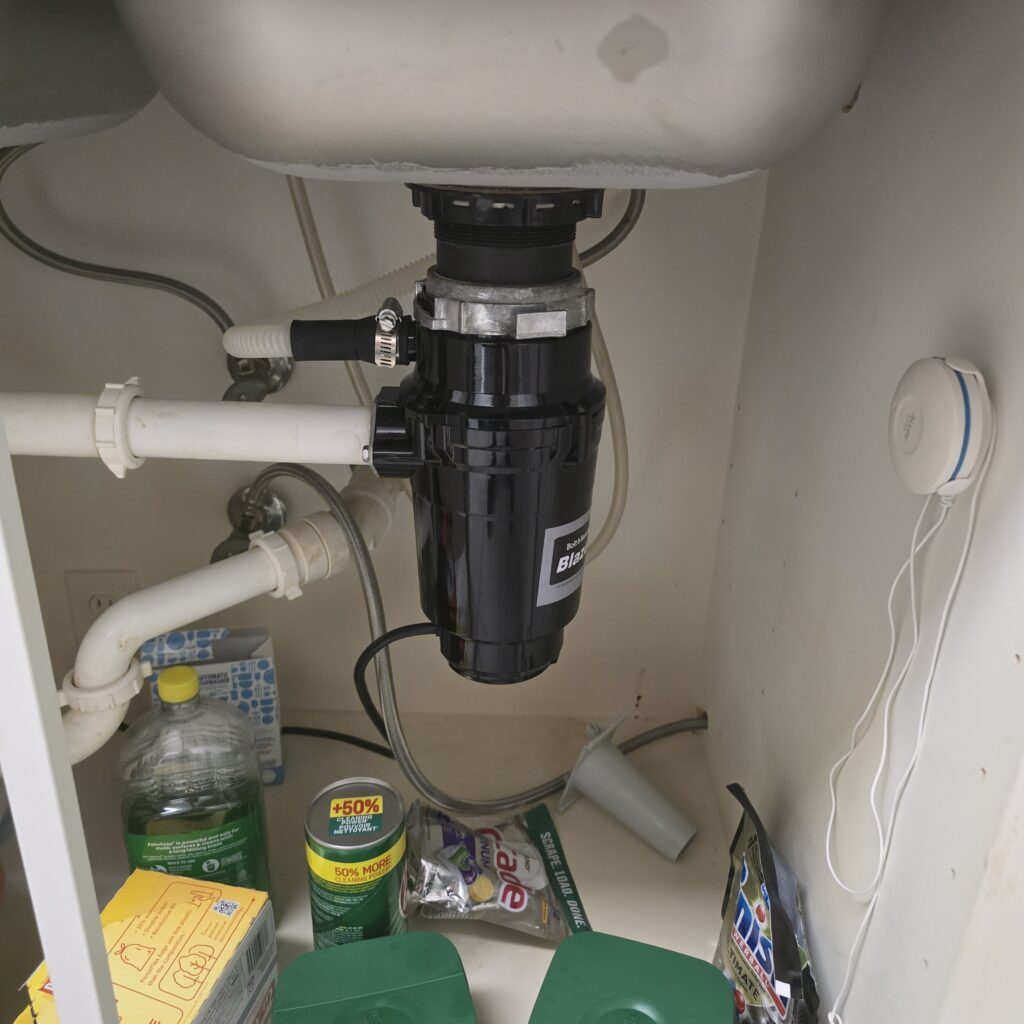
Replacing a garbage disposal involves electrical work, plumbing connections, and proper alignment under the sink. A professional installation ensures the new unit works correctly and lasts for years. Whitestone Plumbing has over twenty years of experience handling kitchen plumbing in Cedar Park and the surrounding areas. We diagnose the problem, recommend the right replacement, and install it quickly. Our goal is to get your kitchen back to normal without any headaches.
Professional Diagnosis for a Dying Garbage Disposal
A licensed plumber can tell the difference between a minor repair and a full replacement. Some issues, like a jammed impeller or a tripped breaker, are quick fixes that do not require a new unit. Other problems, like internal leaks or motor failure, need a complete replacement. Our technicians inspect the disposal, the plumbing connections, and the electrical supply. This thorough approach prevents unnecessary spending.
We also check for related issues that may be affecting the disposal. A clogged drain line, a bad dishwasher connection, or a failing P trap can mimic disposal problems. Fixing the disposal without addressing these other issues leads to repeat service calls. Our team looks at the whole system, not just the unit itself. This saves you time and money in the long run.
Cedar Park homeowners trust us because we give straight answers. If your disposal can be repaired, we tell you. If it needs to be replaced, we explain why and provide clear pricing. Need expert help? Click here for our garbage disposal installation service. We make the decision easy and stress free.
Safe Replacement for a Dying Garbage Disposal
Installing a new disposal requires disconnecting the old unit, managing the wiring, and sealing the new connections. Doing this without experience can lead to leaks, electrical hazards, or a unit that does not mount properly. Our plumbers handle every step safely and efficiently. We shut off the power, remove the old disposal, and install the new one according to code. Every connection is tested before we leave.
We also dispose of the old unit responsibly and clean up the work area. You do not have to worry about hauling away the broken disposal or cleaning up debris. Our team respects your home and treats every job like it was our own kitchen. This attention to detail is part of our commitment to five star service. Cedar Park, Leander, and Round Rock customers appreciate the difference.
The right disposal for your home depends on your sink, your cooking habits, and your budget. We help you choose a model that fits your needs without pushing unnecessary upgrades. Horsepower, sound insulation, and warranty coverage all matter in a good disposal. Our recommendations are based on what works best for your kitchen. You get a unit that performs well and lasts for years.
Why Choose Whitestone Plumbing for Your Dying Garbage Disposal
Whitestone Plumbing is locally owned and operated, serving Cedar Park and the greater Austin area for over two decades. We are licensed, insured, and backflow certified, which means you get a true professional on every call. Our team shows up on time, explains the work clearly, and charges fair prices. Free estimates and honest pricing are part of how we do business. There are no surprises when you hire us.
We offer 24/7 emergency plumbing service for times when a disposal fails at the worst moment. A flooded kitchen or a sink full of food waste cannot always wait until morning. Our technicians are ready to respond quickly, any day of the week. This reliability is why so many families in the area call us first. We earn that trust through consistent, five star service.
Every job we do reflects our commitment to quality workmanship and customer care. From the first phone call to the final cleanup, we treat you with respect. Our goal is to solve your plumbing problem and leave your home better than we found it. Call Whitestone Plumbing today at (512) 826-6217 to schedule your garbage disposal service. We are ready to help when your disposal starts showing signs of failure.