What Not To Flush Down Your Toilet
Your toilet is designed to handle only two things. It processes human waste and toilet paper. Anything else that goes down that drain has the potential to cause significant plumbing headaches. Homeowners often treat the toilet as a secondary trash can without realizing the complex system of pipes hiding beneath the surface. The drain system relies on gravity and water flow to move waste to the municipal sewer or septic tank. When you introduce items that do not break down rapidly, you create obstacles that catch debris and eventually stop the flow of water entirely.
Plumbing emergencies frequently stem from items that should never have entered the bowl in the first place. A single mistake might not cause an immediate backup, but the cumulative effect of improper flushing builds up over time. Materials settle in the curves of the pipe or get snagged on minor imperfections in the line. As more debris accumulates, the diameter of the pipe restricts until nothing can pass through. Dealing with a sewage backup is stressful, expensive, and completely avoidable if you adhere to strict flushing guidelines.
Residents in Cedar Park need to be especially mindful of what goes into their plumbing systems. Local infrastructure can be strained by the collective habits of the community, and individual home plumbing systems are sensitive to misuse. Protecting your pipes protects your wallet and keeps your home sanitary. Understanding exactly what items pose the biggest risks helps you make better decisions every time you enter the bathroom. It requires a shift in mindset to view the toilet strictly as a sanitary device rather than a disposal method.
The Myth of Flushable Wipes
Marketing campaigns have done a great job convincing consumers that wet wipes are safe for plumbing systems. Packaging often boldly claims these products are flushable, leading many people to believe they disintegrate just like toilet paper. The reality is quite different and causes major issues for plumbers and municipal sewer treatment plants alike. While a wipe might physically flush down the toilet bowl without clogging the immediate trap, it does not break down in water the way toilet paper does. Toilet paper is manufactured to dissolve almost instantly when wet, ensuring it moves smoothly through pipes.
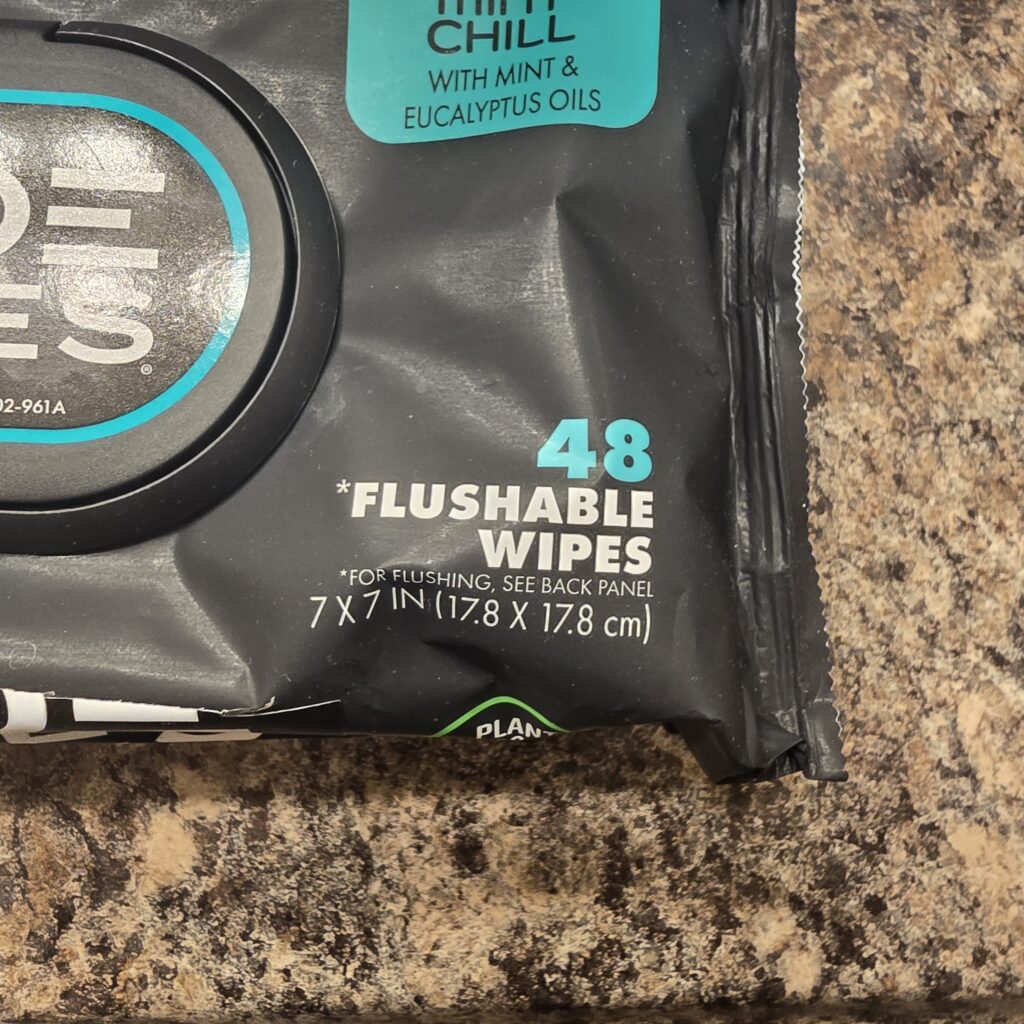
Wipes are typically made with synthetic materials or durable fibers designed to hold up during use. This durability is exactly what makes them dangerous for your drains. They remain intact as they travel through your plumbing. When they encounter a rough spot in a pipe or a tree root intrusion, they snag. Once one wipe gets stuck, it acts as a net that catches other debris. This creates a growing mass that can quickly block a main sewer line. The resulting clog is often dense and difficult to remove without professional equipment.
Even if wipes make it out of your home plumbing, they cause havoc downstream. Municipal pumps and grinders frequently get jammed by massive accumulations of non-dispersible wipes. These masses are sometimes referred to as fatbergs when they combine with grease and other debris. The cost to repair public infrastructure ultimately affects taxpayers. For homeowners, the risk is a sewage backup into the bathtub or shower. The convenience of a wet wipe is never worth the potential thousands of dollars in plumbing repairs. Keep a trash can next to the toilet and dispose of all wipes there, regardless of what the packaging claims.
Paper Towels and Facial Tissues
It is easy to assume that all paper products are created equal when it comes to flushing. Paper towels and facial tissues look and feel somewhat similar to toilet paper, so flushing them seems like a harmless alternative when the roll runs out. However, the engineering behind these products is fundamentally different. Manufacturers design paper towels to be absorbent and strong even when wet. They need to hold together to clean up spills or dry hands. That same wet strength means they do not dissolve in your plumbing lines.
Facial tissues are also treated with chemical binders to help them maintain their shape when used. When you flush a tissue or a paper towel, it expands with water but remains a solid mass. It moves through the pipe slowly and is much more likely to create a blockage than toilet paper. If you have older plumbing or low-flow toilets, the risk is even higher. The water volume may not be sufficient to push these heavier paper products all the way to the sewer main.
The accumulation of paper towels creates stubborn clogs that a plunger often cannot fix. You might manage to flush them a few times without noticing an issue, but they can pile up in the horizontal runs of your piping. Eventually, the water has nowhere to go but back up into the bowl. If you run out of toilet paper, use the trash bin for any alternative paper products you use. It is a minor inconvenience compared to the hassle of clearing a blocked sewer line.
Feminine Hygiene Products
Tampons and sanitary pads are among the most common culprits for severe toilet clogs. Many people grow up believing it is acceptable to flush these items, particularly tampons. However, these products are specifically engineered to absorb liquid and expand. When a tampon enters the plumbing system, it swells to several times its original size. This expansion can instantly block a narrower pipe or get wedged in the u-bend of the toilet trap.
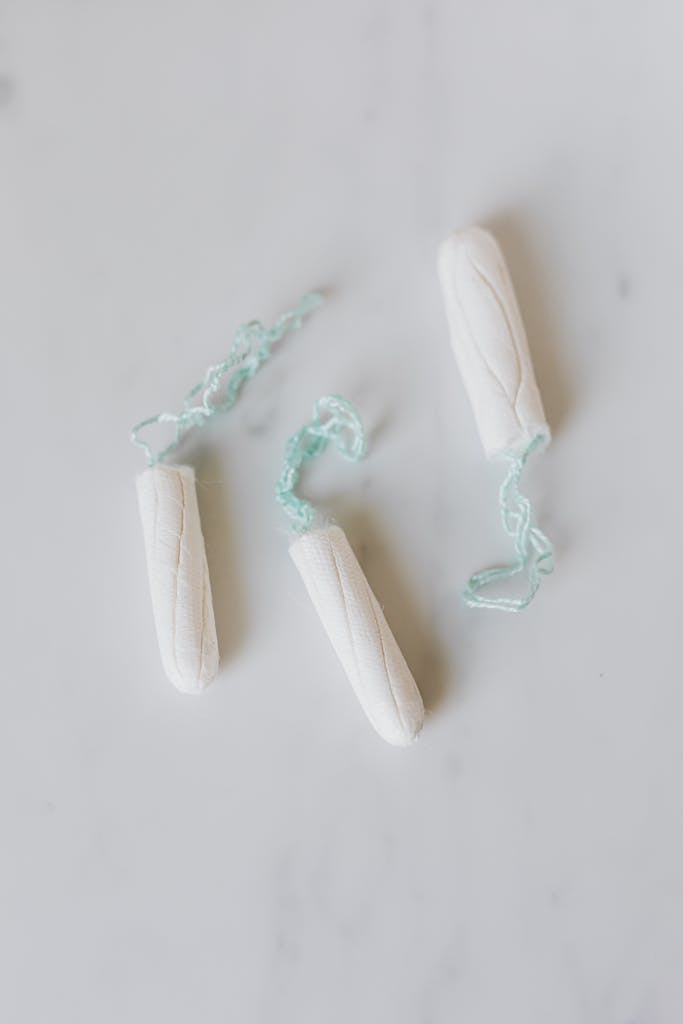
The materials used in these products, such as cotton and rayon, do not break down in water. They are designed to stay intact for hours. The string attached to a tampon can also act as a hook, snagging on preexisting debris or rough pipe interiors. Once caught, it collects toilet paper and waste until the pipe is completely sealed off. Sanitary pads are even larger and more dangerous for pipes. They contain super-absorbent polymers that turn into a gel-like substance when wet, creating an impenetrable barrier in your drain.
Plumbers frequently have to remove toilets or use heavy-duty snakes to retrieve these items. The damage can extend beyond just a simple clog if the obstruction occurs deep in the main line. It creates back pressure that can strain pipe joints and cause leaks. Disposal of these items should always be in a waste bin. Most public restrooms provide designated receptacles for this reason, and home bathrooms should be treated with the same care.
Cotton Balls, Swabs, and Pads
Cotton seems like a soft, harmless material that would easily flow down a drain. The trouble with cotton balls, swabs, and cleansing pads is that they do not dissolve. Instead, they clump together. When cotton gets wet, it becomes heavy and binds with other cotton pieces. It tends to settle in the bends of pipes rather than floating along with the water stream.
Cotton swabs are particularly problematic because of their shape. The plastic or paper stick can lodge itself sideways in a pipe. This creates a physical bridge that catches hair, floss, and toilet paper. Over time, this builds a dam that stops water flow. It is a slow process that you might not notice until the toilet starts draining slowly or overflowing.
These items belong in the trash. It might seem convenient to toss a makeup remover pad or a Q-tip into the bowl, but it is a habit that invites trouble. Your plumbing system is not a garbage disposal. Keeping a small trash can with a lid near the vanity makes it easier to dispose of these bathroom waste items properly.
Dental Floss
Dental floss is deceptively dangerous for plumbing. It is just a thin string, so it looks like it would pass through pipes without any resistance. The problem lies in its tensile strength. Floss is made to be non-biodegradable and incredibly strong so it does not snap between your teeth. When flushed, it does not break down or dissolve. It flows through the water and can easily wrap around parts of the plumbing system.
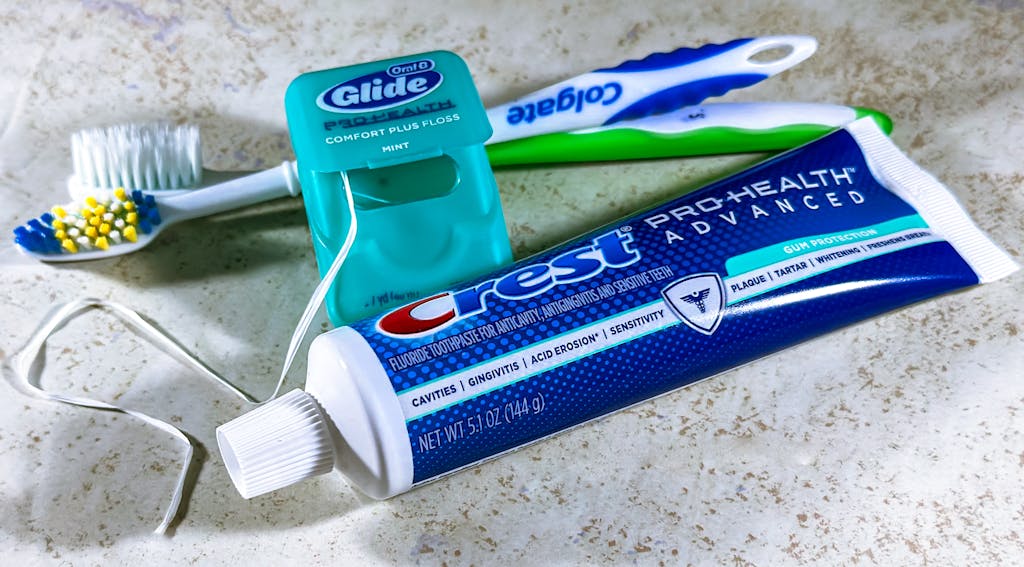
Floss acts like a net inside your pipes. It tangles with other debris, binding disparate items together into a solid mass. A ball of hair, toilet paper, and wipes bound together by dental floss can become nearly impossible to dislodge with standard tools. It can also wrap around the impeller blades of sewage pumps, causing mechanical failures further down the line.
The cumulative effect of daily flossing and flushing adds up. Even small pieces contribute to the problem. Because it is so thin, it can snag on the slightest burr or crack in a cast iron or PVC pipe. Once it is caught, it stays there, collecting more waste with every flush. Always throw used floss in the trash can to avoid creating these complex tangles in your drains.
Hair
Hair is a major enemy of clear drains, usually associated with shower and sink clogs, but it causes just as many problems in toilets. When you clean a hairbrush and toss the clump into the toilet, you are introducing a material that naturally binds things together. Hair does not degrade in water. It floats and tangles, creating nets similar to dental floss.
In the toilet drain, hair catches onto the rough surfaces of waste and paper. It forms a matrix that strengthens clogs. It is also very resistant to chemical drain cleaners, although you should avoid using harsh chemicals in your toilet anyway as they can damage the porcelain and seals. Mechanical removal is often the only way to get a hair clog out.
If you have long hair or pets, you likely deal with hair accumulation frequently. It should always go into the trash. Do not assume the large flush volume of the toilet will carry it away safely. It might leave the bowl, but it often gets stuck in the trapway or the first few feet of the drainpipe.
Maintaining a healthy plumbing system in your Cedar Park home starts with mindful flushing habits. The toilet is a convenience we often take for granted until it stops working. By restricting what you flush to only human waste and toilet paper, you drastically reduce the risk of backups and overflows. Every item you divert to the trash can is one less potential obstruction in your sewer line. It is a simple daily practice that preserves the longevity of your pipes and saves you from the stress of emergency repairs.
Educating every member of the household is equally important. Children often do not understand the mechanics of the toilet and may flush toys or excessive amounts of paper out of curiosity. Guests may not realize that your plumbing is sensitive to wipes or hygiene products. A friendly reminder or a strategically placed trash bin can prevent awkward and damaging situations. Taking care of your plumbing is part of protecting your home investment.
If you do encounter a stubborn clog or suspect that an object has caused a blockage deep in your lines, professional help is the safest solution. Whitestone Plumbing is ready to assist residents in Cedar Park with comprehensive drain cleaning and repair services. We have the tools and expertise to locate and remove obstructions without damaging your pipes. Trusting a professional ensures the job is done right and helps restore your home’s comfort and sanitation quickly.