
How Aging Pipes Impact Water Quality
Clean water is a fundamental expectation for every homeowner. When you turn on the faucet to fill a glass or start a pot of coffee, you assume the liquid flowing out is safe and pure. We trust the municipal treatment plants to remove contaminants and sanitize the supply before it reaches our property lines. However, the journey water takes once it enters your home is just as critical to its quality as the treatment it receives at the source. The network of pipes hidden behind your walls and beneath your foundation acts as the final delivery vessel. If that vessel is compromised by age or degradation, the water quality can suffer significantly.
Many homes in Cedar Park were built decades ago when plumbing standards and materials were different. Over time, these materials interact with the water they carry. It is a slow chemical dialogue that often results in the deterioration of the pipe and the contamination of the water. This process is rarely visible until it reaches an advanced stage. You might not see a leak, but you might be ingesting microscopic particles of rust, metal, or bacteria with every sip. Understanding the relationship between your plumbing infrastructure and your health is essential for maintaining a safe home environment.
The decline of water quality due to aging pipes is a complex issue involving chemistry, biology, and physics. It is not merely about dirty water looking unappealing. It involves changes in pH, the introduction of heavy metals, and the creation of breeding grounds for pathogens. As pipes age, they lose their smooth protective coatings and develop pits and cracks. These imperfections change the hydraulic dynamics and the biological stability of the water supply. Recognizing how this happens allows you to take proactive steps to protect your family and your property.
The Legacy of Galvanized Steel
For homes built before the 1980s, galvanized steel was the standard material for water supply lines. These pipes are made of steel which is dipped in a layer of molten zinc. The zinc coating was designed to protect the steel from rusting. It was an effective solution for the time, but it was never meant to last forever. Decades of constant exposure to water eventually wear away this protective zinc barrier. Once the zinc is gone, the underlying steel is exposed to oxygen and moisture.
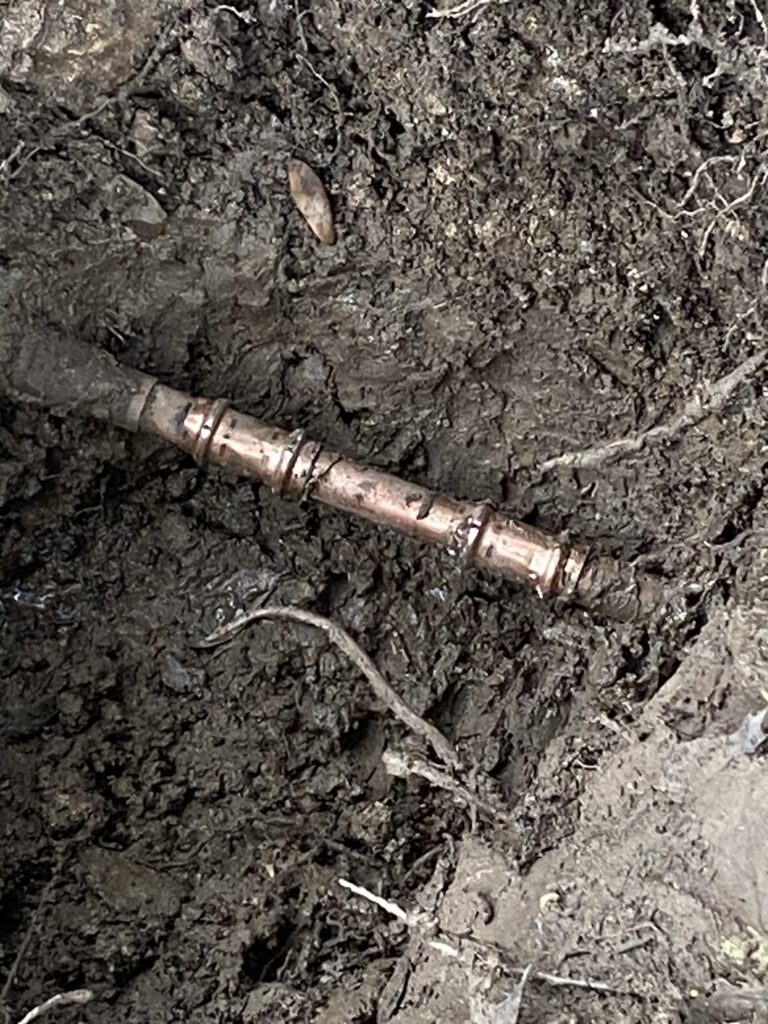
The result is internal corrosion that eats away at the pipe from the inside out. As the steel rusts, it releases iron particles into the water stream. This is often the cause of the reddish-brown discoloration you might see when you first turn on a tap after a long period of disuse. While iron itself is not considered a severe health hazard in small quantities, it ruins the taste of the water and can stain laundry and fixtures. The bigger concern is what else is trapped in that rust.
The corrosion creates a rough, uneven surface inside the pipe. This texture acts like a trap for other minerals and potential contaminants. Lead, which may have been present in the zinc coating or in upstream solder joints, can accumulate in these scale deposits. When water pressure fluctuates or the pipe is disturbed, these concentrated pockets of lead and other heavy metals can be released into the water supply. This unpredictable leaching makes galvanized pipes a significant risk factor for water quality in older homes.
Copper Pipes and Chemical Leaching
Copper replaced galvanized steel as the gold standard for residential plumbing because it is more resistant to corrosion and easier to work with. However, copper is not immune to the effects of aging and water chemistry. Over time, copper pipes can suffer from a specific type of wear known as pitting corrosion. This occurs when the chemical balance of the water attacks specific spots on the interior metal surface. It creates tiny pinholes that eventually lead to leaks, but before the leak appears, copper ions are being released into the water.
High levels of copper in drinking water can cause gastrointestinal distress and, over long periods, can lead to liver or kidney damage. You can often detect this issue by a distinct metallic taste in the water. It tastes somewhat like sucking on a penny. Another visual indicator is blue-green staining in your sinks, bathtubs, or toilet bowls. This stain is the physical residue of the copper pipe dissolving and settling on your fixtures.
The local water chemistry plays a massive role here. Municipal water often contains chloramines for sanitation. While effective at killing bacteria, chloramines can be aggressive toward copper plumbing. They accelerate the oxidation process. In older copper installations, the solder used to join the pipes may also contain lead. As the copper corrodes and the joints weaken, the risk of lead leaching from the solder increases. Even in a home that does not have lead pipes, the joints connecting the copper lines can still be a source of contamination.
The Danger of Lead Solder
Until 1986, it was legal and common to use solder containing high amounts of lead to join copper pipes. This means that a significant number of homes in the Cedar Park area potentially have lead in their plumbing systems. Lead is a neurotoxin that accumulates in the body over time. It is particularly dangerous for young children and pregnant women, interfering with brain development and causing a host of other health problems. The insidious nature of lead is that it is tasteless, odorless, and colorless. You cannot detect it with your senses.
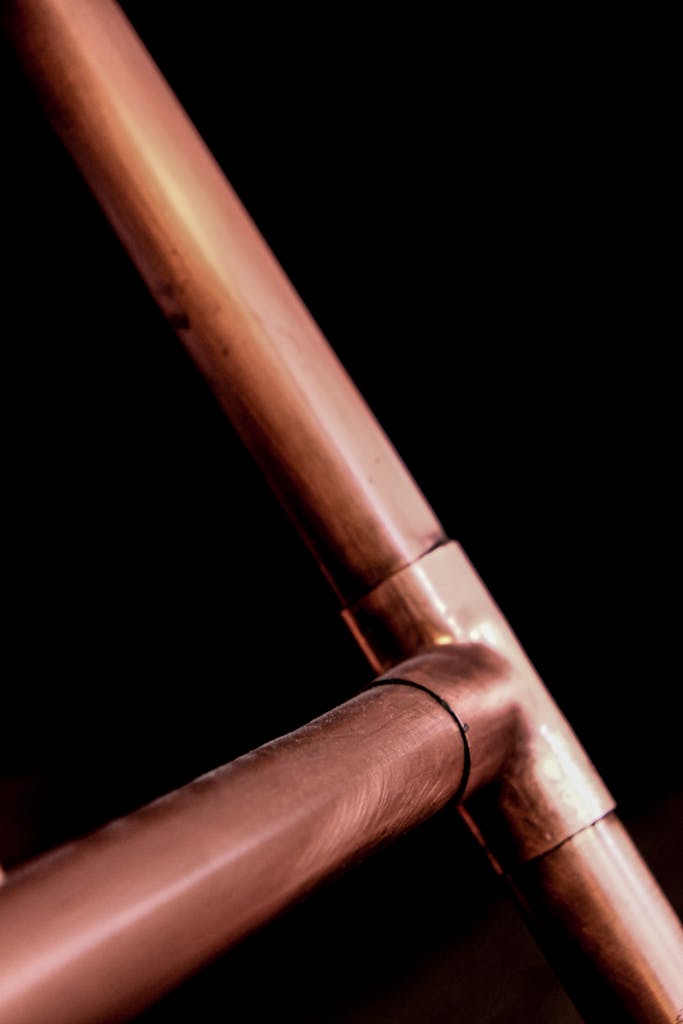
When water sits stagnant in pipes joined with lead solder, the metal dissolves into the liquid. This is why water quality experts often advise running the tap for thirty seconds to a minute before using the water for drinking or cooking. This flushes out the water that has been sitting in contact with the lead solder. However, as pipes age, the internal corrosion can expose more of the solder surface area, increasing the rate of leaching.
Corrosion control measures at the treatment plant help coat the interior of pipes to prevent this, but these coatings are not foolproof. Physical disturbances to the pipes, such as construction work on the street or repairs within the home, can shake loose particles of lead solder. In aging plumbing systems, the stability of these joints is always questionable. Replacing these lines is the only way to guarantee that lead is completely removed from the equation.
Plastic Pipe Degradation
In recent decades, plastic piping like PVC, CPVC, and PEX has become popular due to its resistance to metallic corrosion. While plastic does not rust, it degrades in other ways that can impact water quality. Older plastic pipes, particularly those made of polybutylene or early generations of CPVC, can become brittle over time. This brittleness leads to micro-cracking. While a crack might result in a leak, it also creates a rough surface area that harbors bacteria.
There is also the concern of chemical leaching from the plastic itself. As these materials age and are subjected to hot water and chlorinated supplies, trace amounts of the chemical components of the pipe can migrate into the water. Volatile organic compounds (VOCs) have been found in water systems using certain types of plastic piping. The taste associated with this is often described as plastic-like or chemical.
Furthermore, older plastic pipes are arguably more permeable to outside contaminants than metal. If a plastic pipe passes through soil contaminated by pesticides or other chemicals, there is a slight but non-zero risk of permeation through the pipe wall over decades. This is less common but highlights that even synthetic materials have a lifespan that eventually affects the purity of the water they carry.
Biofilm and Bacterial Growth
One of the most overlooked consequences of aging pipes is the growth of biofilm. New pipes have smooth interior walls that allow water to flow quickly and prevent organic matter from sticking. As pipes age, they develop scale, pits, and rough patches. These irregularities provide the perfect anchor points for bacteria to attach and multiply. Once a colony is established, it secretes a protective slime layer known as biofilm.
This biofilm protects the bacteria from the chlorine or chloramines in the water supply. It allows microorganisms to thrive inside your plumbing system. While many of these bacteria are harmless, the biofilm can harbor pathogens like Legionella or E. coli. Periodically, pieces of this biofilm can slough off and enter the water stream coming out of your faucet.
The presence of biofilm often alters the taste and smell of the water. It can give the water an earthy, musty, or moldy odor. If you notice a rotten egg smell, it is often due to sulfur-reducing bacteria living in the biofilm or the water heater. Older pipes with significant scale buildup provide a massive surface area for this biological activity. The more corroded and scaled the pipe, the more welcoming it is to microbial life.
The Impact of Sediment and Scale
Cedar Park is known for having hard water. This means the water contains high levels of dissolved calcium and magnesium. Over the years, these minerals precipitate out of the water and form hard scale deposits on the inside of the pipes. In aging plumbing systems, this scale buildup can reduce the diameter of the pipe significantly. This reduction in flow rate can lead to stagnation.
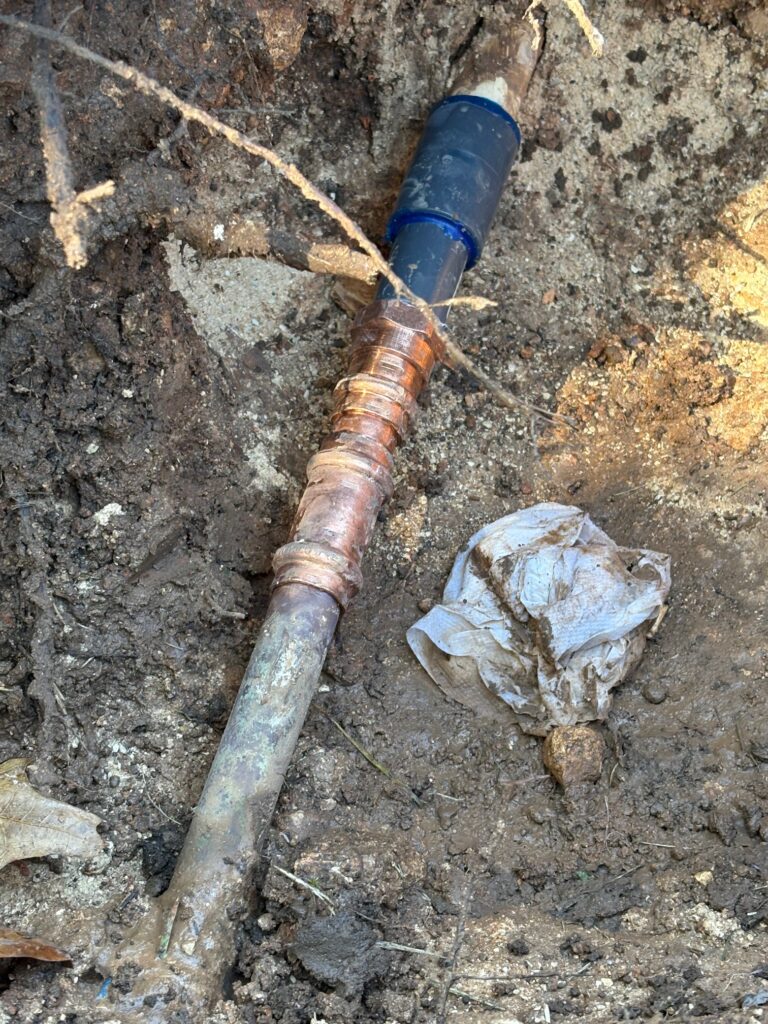
Water that moves slower or sits longer in the pipes has more time to interact with the pipe material and the biofilm. Stagnation is the enemy of water quality. It allows the chlorine residual to dissipate, leaving the water unprotected against bacterial regrowth. The scale itself is porous and traps organic debris, rust particles, and other sediments.
When the water pressure changes suddenly, such as when a hydrant is opened nearby or you turn on multiple fixtures at once, this trapped sediment can be scoured off the pipe walls. This results in a sudden burst of turbid, cloudy water. This sediment is not just unsightly; it can clog the aerators on your faucets and the filters in your refrigerator, concentrating the contaminants right at the point of use.
Sensory Warning Signs
Your senses are often the first line of defense in detecting water quality issues caused by aging pipes. Discoloration is the most obvious sign. Brown, red, or yellow water indicates iron and rust. Blue or green water indicates copper corrosion. Black specks in the water can indicate degrading rubber gaskets or hoses, but they can also signal manganese or severe scale issues.
Smell is another powerful indicator. A bleach smell is usually just the residual chlorine from the treatment plant and is generally safe. However, a sewage or rotten egg smell suggests bacterial issues in the drain or the water heater. A metallic smell confirms that pipes are dissolving. A musty or earthy smell suggests organic growth or biofilm within the supply lines.
Taste often confirms what the nose suspects. Water should taste crisp and neutral. Any bitter, metallic, or salty tastes warrant investigation. If the water tastes fine when cold but bad when hot, the issue is likely in the water heater. If it tastes bad all the time, the supply pipes are the probable culprit. Paying attention to these sensory inputs can help you catch plumbing degradation before it becomes a critical health risk.
The water pipes in your home are not immortal components. They are subject to the relentless forces of chemistry and physics. As they age, their ability to deliver clean, pure water diminishes. The transition from a pristine conduit to a source of contamination happens slowly, often over decades. It involves the breakdown of metals, the accumulation of minerals, and the colonization of bacteria. For residents in Cedar Park, the combination of older housing stock and hard water accelerates these processes, making pipe health a vital concern for every homeowner.
Ignoring the condition of your plumbing infrastructure leaves your family vulnerable to a range of water quality issues. From the aesthetic annoyance of stained laundry to the serious health risks of lead and bacterial exposure, the consequences of aging pipes are real and pervasive. It is not enough to rely on the water treatment plant; you must ensure the “last mile” of delivery within your own walls is secure.
If you suspect that your home’s plumbing is negatively affecting your water quality, it is time to seek professional answers. Whitestone Plumbing specializes in diagnosing and resolving these complex issues. We can evaluate the age and material of your pipes, test for contaminants, and recommend solutions ranging from targeted repairs to whole-home repiping. Do not settle for water that is anything less than perfect. Contact us today to restore the purity and safety of your home’s water supply.