How Plumbing Maintenance Protects Property Value
Your home is likely the most significant asset in your financial portfolio. It is more than just a place to sleep and eat; it is a repository of wealth that, ideally, appreciates over time. When you think about increasing the value of this asset, your mind probably goes to cosmetic upgrades like granite countertops, hardwood floors, or a fresh coat of paint. While these visual improvements are important, they are merely surface-level enhancements. The true value of a home lies in the structural integrity and functionality of its core systems. Among these, the plumbing system is paramount. It is the circulatory system of the house, delivering clean water and removing waste. When this system is healthy, the house is habitable and comfortable. When it fails, the damage can be catastrophic, eroding equity faster than market trends can build it.
Most homeowners in Cedar Park treat plumbing with a reactive mindset. They wait for a pipe to burst, a drain to backup, or a water heater to fail before calling a professional. This “break-fix” approach is a gamble that puts property value at risk. By the time a plumbing issue manifests as a visible emergency, it has often already caused significant damage behind the walls or beneath the foundation. Deferred maintenance acts as a silent lien on your property, reducing its worth and scaring away potential buyers during inspections.
Shifting to a proactive maintenance schedule is an investment strategy. Regular check-ups, cleanings, and minor repairs prevent the large-scale disasters that destroy home value. It ensures that the critical infrastructure of the home remains sound. In a competitive real estate market, a home with a documented history of professional plumbing care stands out as a premium product. It signals to the market that the property has been stewarded responsibly, justifying a higher asking price and ensuring a smoother transaction when it comes time to sell.
The Hidden Threat of Water Damage
Water is the universal solvent and, when uncontained, the ultimate destroyer of building materials. The insidious nature of water damage is that it often happens slowly and out of sight. A pinhole leak in a copper pipe behind a bathroom vanity or a loose connection in a shower valve can drip for months without creating a puddle on the floor. Instead, the water is absorbed by the insulation, drywall, and wooden framing members. This constant moisture creates a perfect environment for wood rot. Structural beams that are meant to hold the weight of the house become soft and spongy, compromising the skeleton of the home.
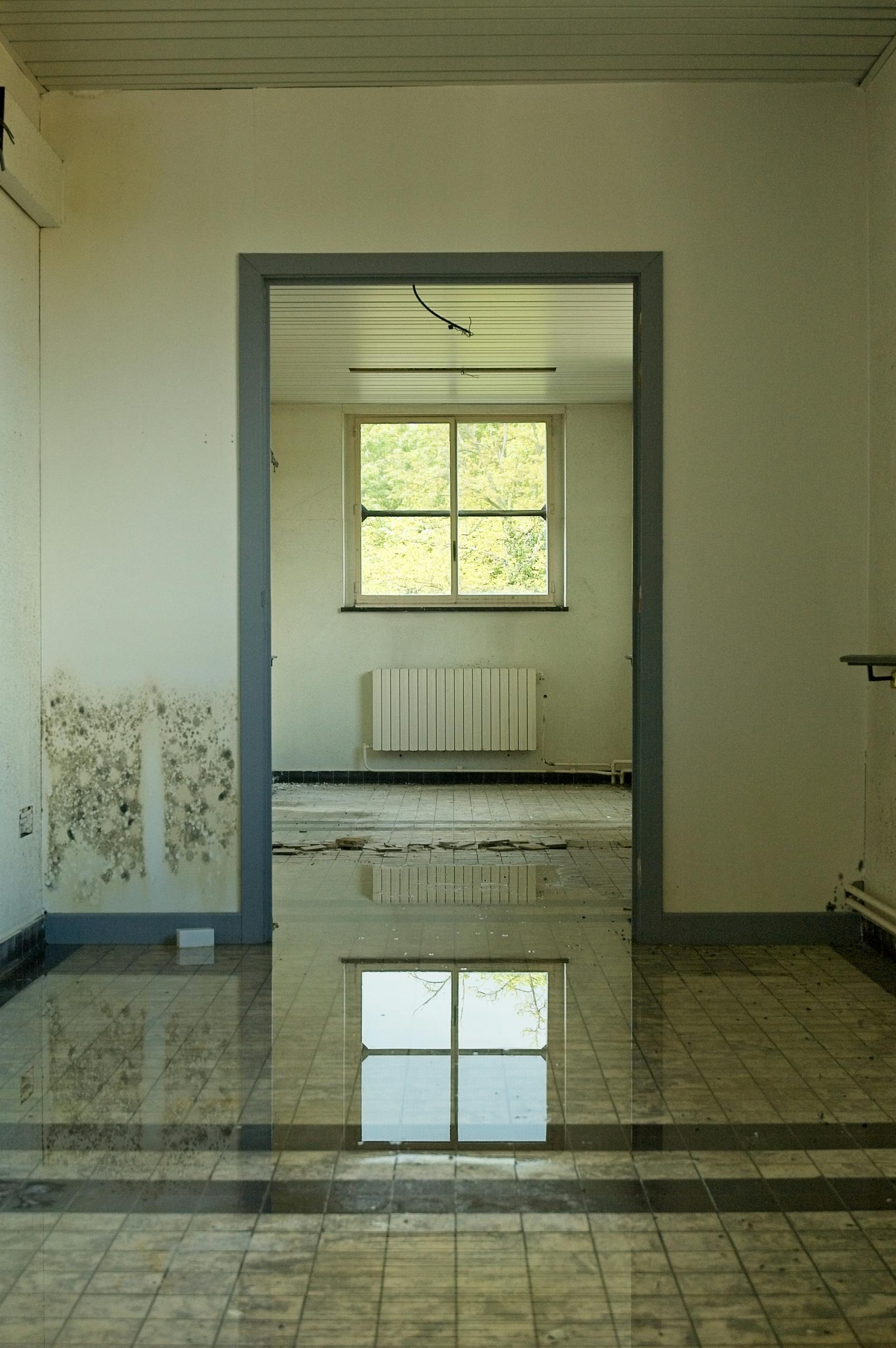
Beyond the structural decay, moisture invites mold. In the humid, enclosed spaces of a wall cavity, mold spores can germinate and spread rapidly. Mold is a four-letter word in the real estate industry. If a home inspection reveals mold growth, the value of the property drops precipitously. It signals to buyers that there is a deep-seated moisture problem that has been neglected. Remediation is expensive and invasive, often requiring walls to be ripped open and hazardous materials to be removed. By the time you fix the leak and the mold, you have spent far more than the cost of a routine inspection that would have caught the moisture early.
Preventative maintenance includes leak detection and pressure testing that can identify these silent leaks before they rot the framework of your house. Plumbers use moisture meters and thermal imaging to see what the naked eye cannot. By catching a leak when it is just a few drops, you preserve the dry, solid condition of your home’s structure. You protect the physical assets—the wood, the gypsum, the flooring—that make up the appraisal value of the property.
Foundation Stability in Texas
For residents of Cedar Park, the foundation is a constant concern. The local soil is often expansive clay, which swells when wet and shrinks when dry. Most homes are built on concrete slab foundations that “float” on this soil. The stability of the slab depends entirely on the stability of the moisture levels in the ground beneath it. A plumbing leak under the slab, known as a slab leak, is a direct threat to this stability.
When a sewer line or fresh water supply line breaks under the house, it pumps water into the soil. This localized saturation causes the clay to swell with tremendous force, lifting that section of the slab. Conversely, if the water washes the soil away, it creates a void, causing the slab to collapse or crack. Foundation issues are arguably the single most damaging factor to property value in Texas. A home with a repaired foundation carries a stigma, and a home with active foundation movement is often unsellable to buyers using traditional financing.
Routine plumbing maintenance includes static tests on the sewer system and hydrostatic pressure tests on the water lines. These tests confirm that the pipes under your foundation are watertight. Catching a slab leak early allows for surgical repairs that minimize the impact on the soil. Ignoring the plumbing system is essentially gambling with the bedrock of your home. Protecting the pipes is the most effective way to protect the foundation, and by extension, the entire equity of the property.
The Lifespan of Mechanical Systems
A home is a machine, and like any machine, its components have a finite lifespan. Water heaters, water softeners, garbage disposals, and pressure reducing valves are all mechanical devices that wear out. However, the rate at which they wear out depends heavily on maintenance. In Cedar Park, where the water is naturally hard and mineral-rich, neglecting these appliances ensures an early death. Scale buildup destroys water heater tanks and burns out heating elements. Chlorine eats away at rubber seals in toilets and valves.
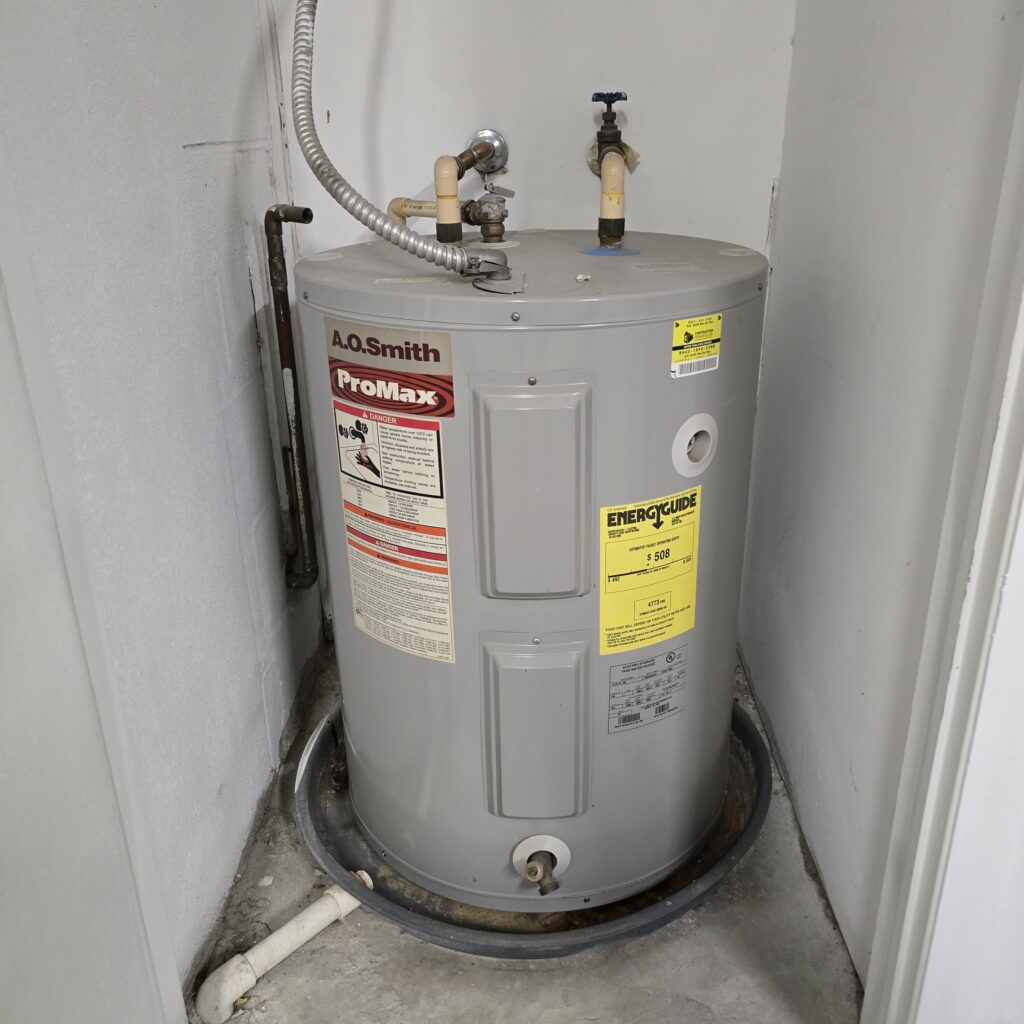
When a buyer looks at a home, they assess the age and condition of these systems. If the water heater is rusted and rattling, or if the softener is bypassed because it is broken, the buyer sees dollar signs. They mentally deduct the cost of replacement from their offer. They view the home as a “fixer-upper” rather than a turnkey property. Conversely, mechanical systems that are clean, serviced, and functioning efficiently add value. They reassure the buyer that they won’t have to spend thousands of dollars on appliances in the first year of ownership.
Maintenance extends the service life of these expensive items significantly. Flushing a water heater annually to remove sediment can double its lifespan. Servicing a water softener ensures it continues to protect the rest of the plumbing system. By keeping these systems running longer, you delay the capital expenditure of replacement and maintain the functional value of the home. You are essentially getting a higher return on investment for every appliance you install.
Sewer Line Integrity
The main sewer line is the unseen highway that carries waste away from your home. In established Cedar Park neighborhoods with mature trees, this line is under constant attack. Tree roots seek out the moisture and nutrients inside the pipe, entering through microscopic cracks and growing into massive root balls. Over time, these roots can crush the pipe or cause a complete blockage. Additionally, the ground shifting can cause “bellies” or sags in the line where waste accumulates.
A compromised sewer line is a deal-killer in real estate transactions. Savvy buyers now commission sewer camera inspections before closing. If the camera reveals a root-infested or collapsed line, the buyer will demand a massive price reduction—often tens of thousands of dollars—to cover the cost of excavation and replacement. Or, they may simply walk away, leaving your home with a documented defect that you must disclose to future buyers.
Regular maintenance involves cleaning the sewer line and inspecting it with a camera every few years. This allows you to address root intrusion with hydro-jetting or chemical treatments before it breaks the pipe. It allows you to spot potential issues while they are manageable. Maintaining a clear, flowing sewer line preserves the sanitation of the home and removes a major hurdle from the sales process. It is an insurance policy against one of the most expensive repairs a homeowner can face.
Water Quality and Pipe Health
The water pipes inside your walls are subject to internal corrosion and scaling. In older homes with galvanized steel or copper pipes, the water chemistry can slowly eat away at the metal. This leads to pinhole leaks, but it also affects the quality of the water itself. Corroded pipes can leach rust, lead, or copper into the drinking water. Scale buildup can reduce water pressure, making showers feel weak and filling baths take forever.
Poor water pressure and discolored water are immediate turn-offs for anyone valuing a property. They suggest that the plumbing infrastructure is nearing the end of its life and that a whole-home repipe is imminent. Repiping a house is a major renovation project that involves cutting into walls and ceilings. The prospect of this work lowers the market value of a home significantly.
Maintenance plays a role here through water treatment and pressure regulation. Installing and maintaining a water softener prevents the scale buildup that clogs pipes. Ensuring the pressure reducing valve is working prevents high-pressure surges that stress pipe joints. By managing the water that flows through the pipes, you preserve the pipes themselves. You maintain the “blood pressure” of the house at a healthy level, ensuring the longevity of the distribution system.
Aesthetic Appeal and Fixture Functionality
Finally, never underestimate the power of aesthetics. Plumbing fixtures are the jewelry of the kitchen and bathroom. When a potential buyer walks into a bathroom, they test the faucets. They flush the toilet. If the handle jiggles, the faucet drips, or the drain is slow, it creates a subconscious impression of shabbiness. Stains in the toilet bowl from hard water or mineral deposits around the showerhead make the home feel dirty and old.
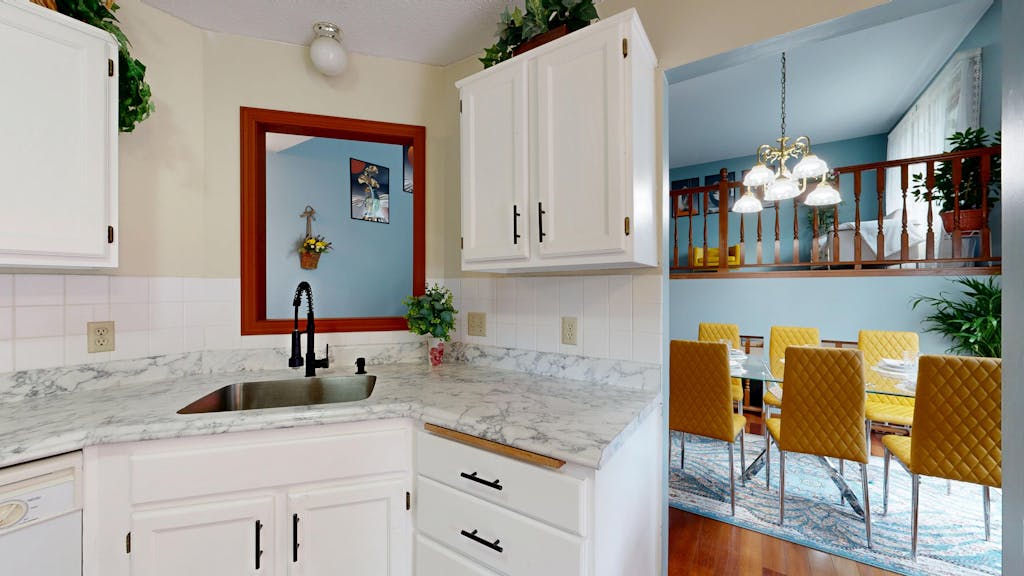
Maintenance keeps these fixtures sparkling and functional. It involves reseating loose toilets, replacing worn cartridges in dripping faucets, and clearing slow drains before they clog completely. It ensures that the caulking around the tub is fresh and watertight, preventing unsightly mildew.
These small details matter. A home where everything works crisp and clean feels newer and more valuable than it actually is. It creates an emotional connection with the buyer. They can visualize themselves living there comfortably, rather than visualizing a weekend spent at the hardware store. Maintaining the visible elements of plumbing is just as important as maintaining the invisible ones for preserving market value.
Protecting the value of your Cedar Park home requires a shift in perspective. You must stop viewing plumbing as a utility that you only think about when it breaks, and start viewing it as a core asset that requires stewardship. The cost of routine maintenance is a fraction of the loss you incur from water damage, foundation failure, and market devaluation. Every dollar spent on a professional inspection or a proactive repair is a dollar invested in the equity of your property.
It is about longevity, safety, and financial security. A well-maintained home stands tall against the elements and the market. It offers peace of mind to you while you live there and confidence to the buyer when you decide to sell. Do not let your biggest investment slowly leak its value away. Take control of your home’s health by prioritizing the systems that keep it running.
Whitestone Plumbing is your partner in property preservation. We understand the unique challenges of the local housing market and the local geology. Our comprehensive maintenance services are designed to catch problems early, optimize efficiency, and provide the documentation you need to prove your home’s worth. Contact us today to schedule a plumbing health checkup and ensure your home remains a valuable legacy for years to come.