
Signs Your Water Heater Is About To Fail
The modern home relies heavily on the uninterrupted flow of hot water. From the morning shower that wakes you up to the dishwasher cycle that sanitizes your dinner plates, hot water is a luxury that has become a necessity. Yet, the appliance responsible for this comfort is often tucked away in a dark corner of the garage, attic, or a utility closet, completely ignored until it stops working. This “out of sight, out of mind” mentality is the primary reason why water heater failures often result in catastrophic flooding and emergency repair bills. Most homeowners assume that as long as the water is hot, the unit is healthy. Unfortunately, water heaters rarely fail without warning; they simply fail without being noticed.
A water heater is a pressurized vessel that undergoes constant thermal stress. It heats up and cools down multiple times a day, causing the metal tank to expand and contract. Over time, this cycle fatigues the steel, while the chemistry of the water inside attacks the interior lining. When you add the specific challenges of the Cedar Park area, such as hard water rich in minerals, the lifespan of these units can be significantly shorter than the manufacturer’s warranty suggests. Recognizing the subtle indicators of a dying water heater allows you to plan for a replacement on your own terms, rather than frantically searching for a plumber while standing in two inches of water.
The difference between a planned replacement and an emergency swap is substantial, both in terms of cost and stress. A planned replacement allows you to research the best new model for your needs, perhaps upgrading to a tankless system or a high-efficiency hybrid unit. It allows you to schedule the work at a convenient time. An emergency replacement puts you at the mercy of availability and often forces a rush decision. By learning to read the signs of impending failure, you transform from a passive observer into an active manager of your home’s infrastructure.
The Age of the Unit
The most reliable predictor of water heater failure is simple chronology. Regardless of how well a unit has been maintained, it has a finite service life. Most traditional tank-style water heaters are designed to last between eight and twelve years. If your unit is approaching the ten-year mark, it is statistically entering the danger zone. Even if it seems to be functioning perfectly, the internal components are deteriorating. The glass lining that protects the steel shell from rusting eventually cracks due to years of thermal expansion, leaving the metal exposed to corrosive water.
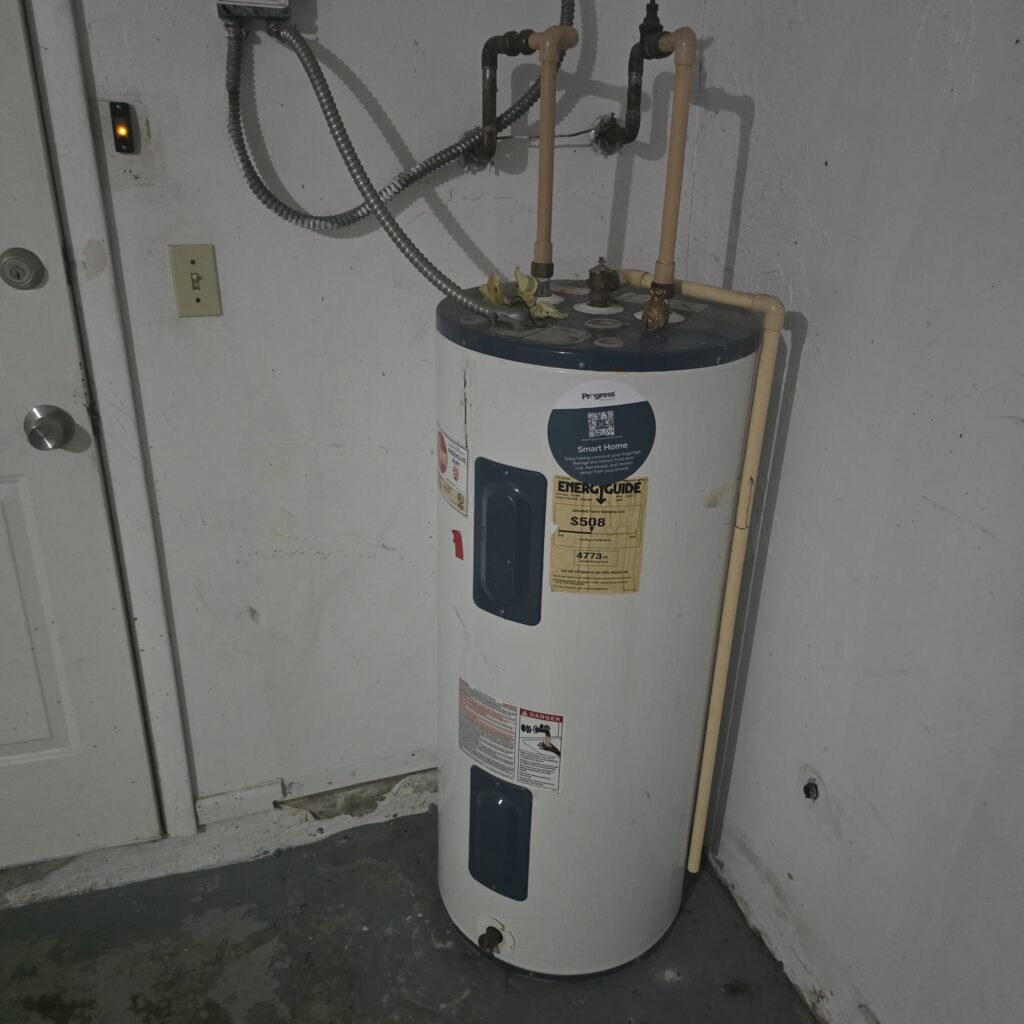
Determining the age of your water heater is usually straightforward, though it requires decoding the manufacturer’s label. Located on the side of the tank, the rating plate contains the serial number. For many brands, the first few digits of this number indicate the month and year of manufacture. If the unit was installed by a previous owner and you have no maintenance records, checking this label is the first step in assessing your risk. If the date indicates the unit is over a dozen years old, you are living on borrowed time. It is not a matter of if it will fail, but when.
In Cedar Park, where hard water accelerates wear, pushing a water heater past its ten-year birthday is a gamble. The efficiency of an old unit also drops precipitously as it ages. You may be paying significantly more on your energy bill to heat water in an old, sediment-filled tank than you would with a new model. Replacing a unit based on age alone might feel premature if it is still working, but it is the single best way to avoid a leak that could cause thousands of dollars in water damage to your home.
Rumbling and Popping Noises
A healthy water heater should be relatively silent. You might hear the gentle whoosh of the gas burner lighting or the faint hum of an electric element, but loud, percussive noises are a clear sign of trouble. If your water heater sounds like there is a rock tumbler inside, or if you hear loud pops and bangs while it is heating, the tank is suffering from severe sediment buildup. This is a prevalent issue in Central Texas due to the high mineral content in the municipal water supply.
As water is heated, dissolved minerals like calcium and magnesium precipitate out of the liquid and settle at the bottom of the tank. Over time, this layer of sediment hardens into a thick, rock-like crust. The noise you hear, often called “kettling,” is caused by pockets of water getting trapped under this layer of sediment. When the burner at the bottom of the tank heats up, this trapped water turns to steam instantly. The steam bubbles explode through the sediment layer, creating the popping sound and physically shaking the tank.
This is not just an auditory nuisance; it is a mechanical assault on the water heater. Each small explosion creates a shockwave that stresses the steel tank and the welds. It is essentially hammering the tank from the inside out. Furthermore, the sediment layer acts as an insulator, preventing the heat from transferring efficiently to the water. This causes the bottom of the tank to overheat, leading to metal fatigue and eventually, a rupture. If your water heater is singing a loud, banging song, it is pleading for help, and replacement is likely the only permanent cure if the buildup has solidified.
Rusty or Discolored Water
Water should always flow clear from your tap. If you turn on the hot water and it comes out looking brown, yellow, or reddish, it is an ominous sign that rust is present in your plumbing system. The challenge is determining whether the rust is coming from the pipes or the water heater itself. A simple test can help clarify the source. If the discoloration appears only when you use hot water and the cold water remains clear, the corrosion is almost certainly occurring inside the water heater tank.
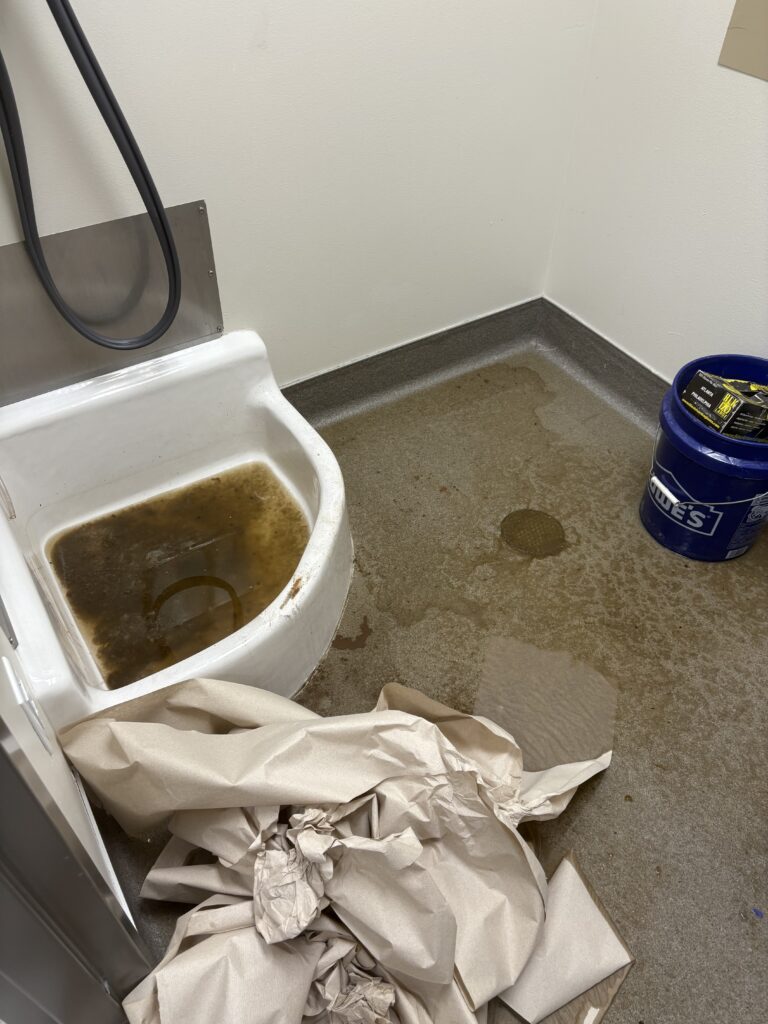
Inside every standard tank is a component called the anode rod. This rod is made of a reactive metal like magnesium or aluminum, and its job is to rust on purpose. It sacrifices itself to attract the corrosive elements in the water, protecting the steel tank. Once the anode rod is completely depleted, the corrosive forces turn their attention to the tank itself. The rusty water you see is the result of the steel shell beginning to dissolve.
Once rust has taken hold of the tank, there is no way to reverse the damage. The structural integrity of the vessel is compromised. The wall thickness of the tank is thinning, and pinhole leaks are imminent. In some cases, the rust might be visible in the bathtub or sink as small flakes that settle on the bottom. Ignoring rusty water is dangerous because the leap from “discolored water” to “burst tank” can happen very quickly. It is a definitive signal that the unit has reached the end of its life.
Moisture and Leaks Around the Base
Perhaps the most alarming sign of failure is the presence of physical water around the base of the heater. However, not all moisture indicates a total tank failure. Sometimes, condensation can form on the outside of the tank, particularly in the winter when the incoming water is very cold and the tank is hot. This sweating is normal and should evaporate quickly. But if you notice pooling water that persists or reappears after you wipe it up, you have a leak that demands immediate attention.
Leaks can originate from several places. The connections at the top of the tank, the drain valve at the bottom, or the temperature and pressure relief valve are all potential failure points. If the leak is coming from a fitting, it might be repairable. However, if the water appears to be seeping from beneath the tank itself, or from a seam in the metal jacket, the internal tank has ruptured. This is a terminal diagnosis for the appliance.
A fracture in the tank cannot be patched or welded. The internal pressure of the water will inevitably widen the crack. A small puddle today can turn into a flooded garage tomorrow. If the water heater is located in an attic, as is common in many Texas homes, a leak can destroy ceilings, insulation, and flooring below. Treat any unexplained moisture around your water heater as a plumbing emergency. Shut off the water supply to the unit and call a professional to assess the source immediately.
Inconsistent Temperature or Duration
When a water heater is nearing the end of its life, it often struggles to do the one thing it is designed for: providing hot water. You might notice that the water never seems to get as hot as it used to, or that the hot water runs out halfway through a shower that used to be comfortable. This loss of performance can be attributed to several factors associated with aging and wear.
In electric water heaters, one of the two heating elements might burn out. If the lower element fails, the water at the top of the tank will be hot, but the overall volume of hot water will be cut in half. In gas units, the burner orifice might be clogged, or the control valve might be failing to regulate the temperature accurately. More commonly, the issue is related to the dip tube. The dip tube is a plastic pipe that directs incoming cold water to the bottom of the tank to be heated. As units age, this plastic can become brittle and disintegrate. When the dip tube breaks, cold water mixes with the hot water at the top of the tank before it leaves the unit, resulting in lukewarm water at the tap.
Sediment buildup also plays a major role in capacity loss. If the bottom third of your fifty-gallon tank is filled with solid limestone scale, you no longer have a fifty-gallon heater; you have a thirty-gallon heater. The rock displaces the water, reducing the available volume. No amount of turning up the thermostat will fix this physical limitation. If your family is constantly fighting for hot water despite no changes in usage habits, the water heater is likely failing.
The Temperature and Pressure Relief Valve
Every water heater is equipped with a critical safety device known as the Temperature and Pressure (T&P) relief valve. This valve is designed to open if the pressure or temperature inside the tank exceeds safe limits, preventing the tank from exploding. It is usually located on the side or top of the unit and has a discharge pipe directed toward the floor or a drain. While it is a safety feature, its behavior can also serve as a diagnostic tool for the health of the system.
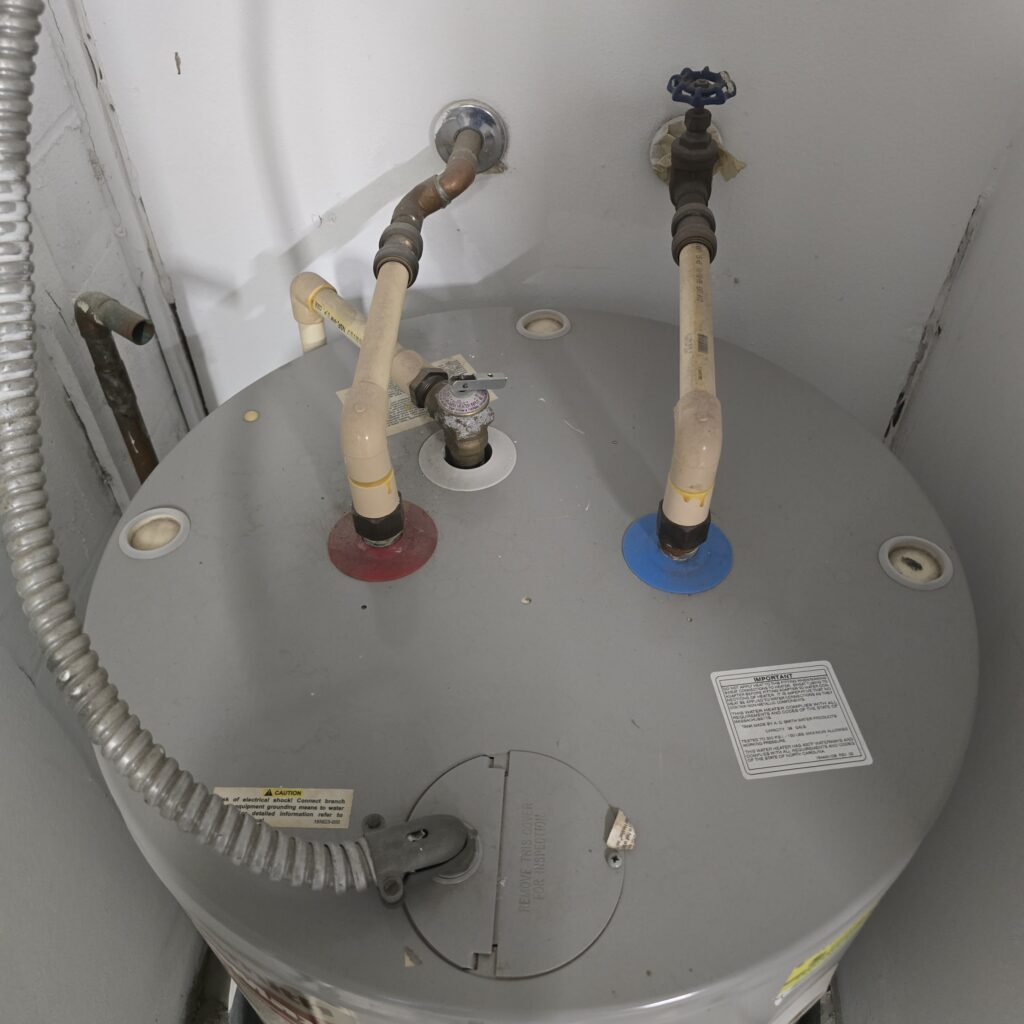
If you notice water weeping or dripping from the end of the discharge pipe, it means the valve is opening. This could indicate that the pressure in your home is too high, perhaps due to a failure in the main pressure reducing valve or the lack of an expansion tank. However, it can also mean that the T&P valve itself has failed. Over time, the spring mechanism can weaken, or mineral deposits can prevent it from sealing tightly.
A weeping T&P valve should never be capped or ignored. If the valve is stuck closed due to corrosion, the tank becomes a potential bomb if the thermostat fails and the water overheats. If it is stuck open, you are wasting energy and water. If replacing the valve does not stop the leaking, the problem likely lies with the tank’s inability to handle normal thermal expansion, which is often a symptom of an aging system in a closed-loop plumbing environment. This is a serious safety concern that requires professional evaluation.
Metallic Smell or Taste
Our senses of smell and taste are excellent detection systems. Ideally, water should be odorless and tasteless. If you detect a strong metallic taste or smell when using hot water, it indicates that metal is dissolving into your water supply. This often goes hand-in-hand with the rusty water sign, but sometimes the chemical breakdown of the metal is perceptible before the water turns visibly brown.
This metallic quality suggests that the inner lining of the tank has failed and the water is reacting with the steel shell. It can also indicate that the anode rod is completely disintegrated and the water is now aggressively corroding the tank walls. In some cases, bacteria can grow in the sediment at the bottom of the tank, producing hydrogen sulfide gas which smells like rotten eggs. While this bacterial issue can sometimes be solved by flushing the tank or treating the water, a metallic smell is almost always a sign of hardware deterioration.
Cooking with or bathing in water that tastes like old pennies is unpleasant and a clear indicator that the appliance providing that water is past its prime. It is a sign of internal decay that cannot be scrubbed away. The only way to restore the water quality is to replace the vessel that is contaminating it.
A water heater is a sturdy appliance, but it is not immortal. It gives signs of its distress long before it catastrophic fails, provided the homeowner is paying attention. The rumbling noises, the small puddles, the rusty water, and the lack of heat are all cries for help. Ignoring these signals is a gamble that rarely pays off. The cost of a proactive replacement is an investment in your home’s safety and your family’s comfort, whereas the cost of a reactive replacement often includes water remediation, drywall repair, and the immense stress of a flooded home.
Residents of Cedar Park face unique challenges with local water conditions that make vigilance even more important. The mineral-rich water accelerates the aging process, making the ten-year mark a critical milestone. By monitoring your unit for these key signs, you can take control of the situation. You can choose the replacement model you want and schedule the installation at a time that suits your life, avoiding the panic of a cold shower on a Monday morning.
If your water heater is showing any of these symptoms, or if you simply do not know how old your unit is, Whitestone Plumbing is ready to assist. We can provide a thorough inspection to determine the health of your system. If a replacement is necessary, we offer expert installation of top-quality traditional and tankless units tailored to your home’s specific needs. Don’t wait for the flood; call us today and ensure your hot water keeps flowing safely for years to come.