
Why Leak Detection Saves Homeowners Thousands
Water is essential for life, but when it escapes the confines of your plumbing system, it becomes one of the most destructive forces a home can endure. For many homeowners in Cedar Park, the concept of a plumbing leak brings to mind a dripping faucet or a running toilet—annoyances, certainly, but rarely seen as financial catastrophes. This perception is dangerous. The most expensive leaks are often the ones you cannot see. They hide behind walls, bury themselves beneath concrete slabs, and trickle silently in attics. By the time physical evidence manifests in the form of a stain or a puddle, the damage has already compounded significantly.
The true cost of a leak is never just the water bill, though that is often the first indicator. The financial impact spreads across multiple categories: structural repair, mold remediation, landscape restoration, and diminished property value. In an economy where every dollar counts, allowing a leak to persist is akin to throwing money away. Professional leak detection is not an expense to be avoided; it is a strategic investment that safeguards your bank account from the staggering costs of water damage restoration.
Understanding the mechanics of water damage reveals why early detection is so critical. Water is patient and persistent. It rots wood, corrodes metal, and swells drywall. It creates environments where biological hazards thrive. The difference between catching a leak today versus catching it next month can be the difference between a simple patch job and a full-scale renovation. For residents of Central Texas, where soil conditions and construction styles create unique plumbing challenges, relying on professional detection services is the most effective way to protect your home’s equity.
The Cumulative Cost of Wasted Water
It is easy to underestimate the volume of water lost through a minor leak. A pinhole leak in a supply line might release only a small amount of water per minute, but over the course of a month, that adds up to hundreds or even thousands of gallons. This waste is reflected directly in your monthly utility statement. In Cedar Park, water rates are structured to encourage conservation, meaning that as your usage goes up, the cost per gallon often increases. A hidden leak pushes you into these higher tiers, inflating your bill artificially.
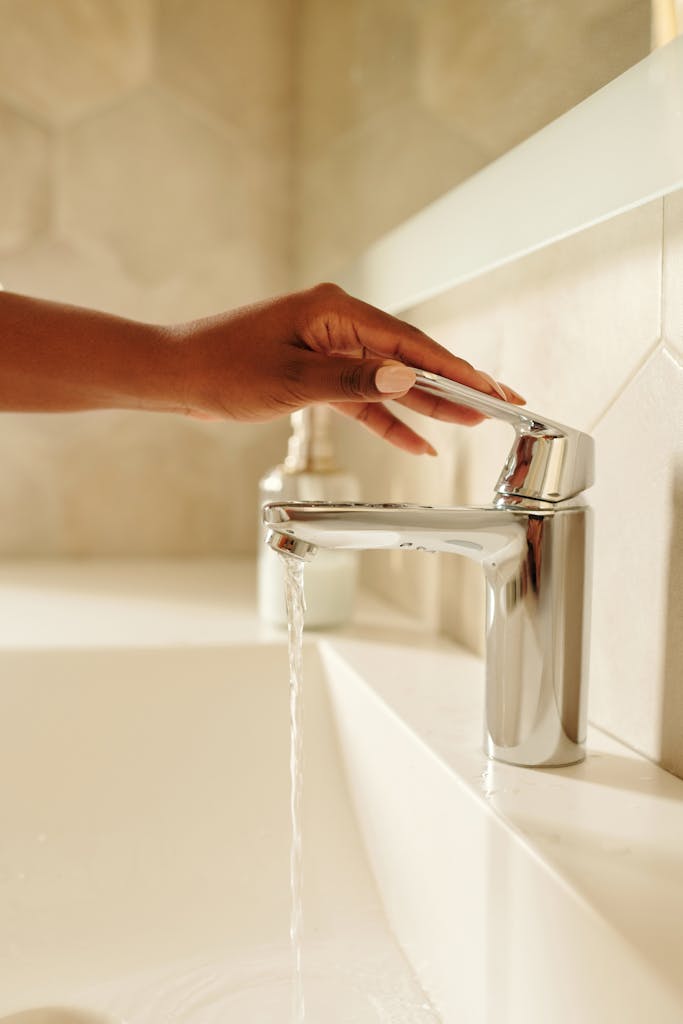
Many homeowners pay these elevated bills for months, assuming their family simply used more water or that rates have gone up. They rationalize the expense rather than investigating the cause. This is money that is irretrievable. You are paying for a resource that did not water your lawn, clean your clothes, or hydrate your family. It simply vanished into the ground or evaporated into your attic insulation. Over a year, a single running toilet or a hidden slab leak can waste enough water to fill a swimming pool, costing you hundreds of dollars that could have been saved with a simple repair.
Leak detection stops this financial hemorrhage immediately. By identifying the source of the loss, you can return your water usage to normal levels. The savings on your utility bill alone often pay for the cost of the detection service within a few months. Furthermore, many municipal water departments offer rebates or bill adjustments if you can prove that a high bill was caused by a leak that has since been repaired. Without professional detection and documentation, you leave this money on the table.
Preventing Structural Devastation
The structural integrity of your home relies on keeping building materials dry. When water leaks inside a wall cavity, it attacks the wooden framing that holds your house up. Wood acts like a sponge, absorbing moisture and holding it for long periods. Over time, this wet wood begins to rot. It loses its strength and can eventually crumble under the weight of the roof or upper floors. By the time you see a soft spot in the drywall or a sag in the ceiling, the structural damage is likely extensive.
In Texas, many homes are built on slab foundations. A “slab leak” occurs when a pipe buried in or under the concrete breaks. This is particularly dangerous because the water can erode the soil supporting the foundation. As the soil washes away, it creates voids that cause the slab to crack and settle. This shifting can tear apart walls, jam doors and windows, and compromise the stability of the entire residence. Foundation repairs are among the most expensive home improvement projects, often costing tens of thousands of dollars.
Early leak detection is the only reliable defense against this nightmare scenario. Using specialized acoustic equipment, professionals can hear the sound of water escaping pipes beneath the concrete or behind walls. Finding the leak before it washes away the soil or rots the studs allows for a targeted repair. You might have to replace a section of pipe and patch a small piece of drywall, which is a fraction of the cost of lifting a sinking foundation or rebuilding a load-bearing wall.
The High Price of Mold Remediation
Moisture and darkness create the perfect breeding ground for mold. In the humid climate of a bathroom or the enclosed space of a wall, mold spores can germinate within twenty-four to forty-eight hours of exposure to water. Once mold establishes a colony, it spreads rapidly, feeding on the organic materials in your drywall, insulation, and wood. Mold is not just an aesthetic issue; it is a health hazard that can cause respiratory problems and allergic reactions for your family.
Remediating a mold infestation is a strictly regulated and expensive process. You cannot simply wipe it away with bleach. Contaminated materials must be removed and disposed of by professionals wearing protective gear. The area must be contained to prevent spores from spreading to other parts of the house. Air scrubbers must be run to clean the environment. The cost of professional mold remediation often exceeds the cost of the plumbing repair itself.
If a leak is detected early, the materials can be dried out before mold takes hold. Professional detection finds the moisture source immediately, allowing you to stop the water and start the drying process. By keeping the environment dry, you deny mold the opportunity to grow. This saves you not only the cost of remediation but also the potential medical costs associated with living in a sick house. It preserves the indoor air quality and safety of your living environment.
Protecting Your Flooring and Finishes
Water takes the path of least resistance, and gravity usually pulls it down to your floors. Whether you have hardwood, laminate, carpet, or tile, water is a destructive enemy. Hardwood floors are particularly sensitive. When they absorb water from a nearby leak, the planks swell and cup, pushing against each other until they buckle. Once hardwood has warped, it often cannot be sanded down; it must be ripped out and replaced.
Laminate flooring is equally vulnerable. The core of most laminate is made of composite material that swells permanently when wet. The seams peel up, and the floor becomes uneven. Even tile, which is waterproof on the surface, can suffer. Water seeping into the subfloor can rot the wood beneath or cause the thin-set mortar to release, resulting in cracked and loose tiles. Replacing flooring is disruptive and expensive, often requiring you to move furniture and vacate rooms for days.
Leak detection minimizes the footprint of the damage. If you catch a dishwasher leak or a supply line failure within hours or days, you can often save the flooring with industrial dehumidifiers and fans. The longer the water sits, the deeper it penetrates. By the time you feel a squish under your carpet, the subfloor is already soaked. Proactive detection keeps the water containment area small, saving you from replacing the flooring in your entire living area.
The Science of Non-Invasive Detection
In the past, finding a hidden leak often meant “search and destroy.” Plumbers would have to tear open walls, rip up floors, or dig trenches in the yard just to locate the pipe. This exploratory demolition caused as much damage as the leak itself and added thousands of dollars to the repair bill in reconstruction costs. You would pay for the plumber, then pay for a carpenter, a drywaller, and a painter to put your house back together.
Modern leak detection has revolutionized this process. Whitestone Plumbing utilizes advanced technology to find leaks without laying a finger on your hammer. We use acoustic listening devices that can amplify the sound of escaping water through concrete and soil. We use thermal imaging cameras to spot temperature differences behind walls caused by evaporation or hot water leaks. We use moisture meters to map out the spread of dampness.
This precision saves you money by eliminating unnecessary destruction. We can pinpoint the exact location of the leak, often within a few inches. This allows us to access the pipe through a single floor tile or a small cutout in the drywall. The cost of repairing one access point is negligible compared to repairing a whole room torn apart by guesswork. You are paying for the technology and the expertise, which pays dividends in preserved property.
Insurance Coverage and “Sudden” Damage
Homeowners insurance is a safety net, but it has specific rules regarding water damage. Most policies cover “sudden and accidental” discharge of water. This means if a pipe bursts and floods your house, you are covered. However, many policies exclude coverage for damage caused by slow, gradual leaks that occur over time. They argue that these leaks are a maintenance issue and that the homeowner was negligent in not fixing them sooner.
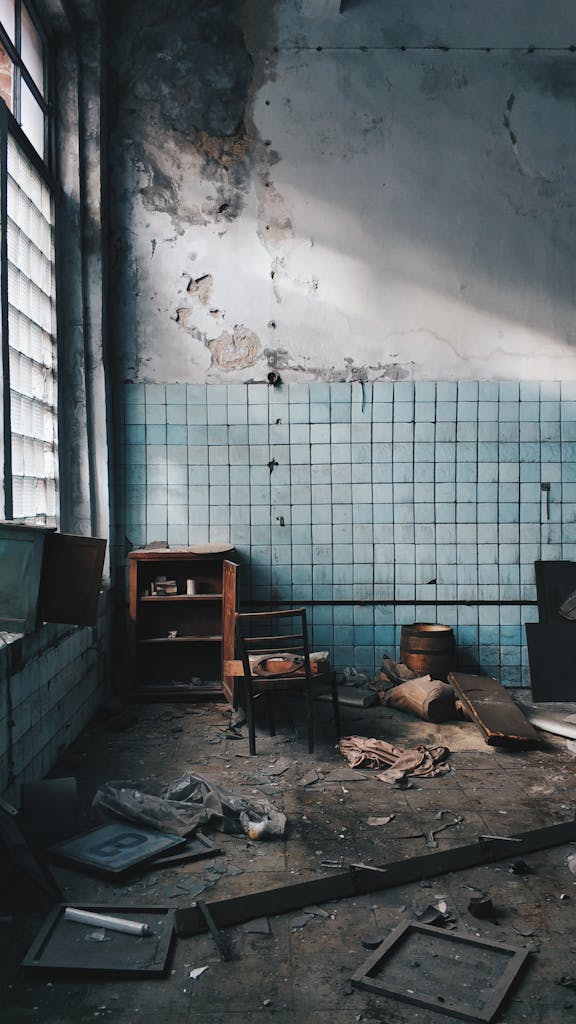
If you ignore the signs of a leak—like a higher water bill or a musty smell—and the damage accumulates over months, your insurance company may deny your claim. You could be left paying for the entire restoration out of pocket. This financial blow can be devastating. By utilizing professional leak detection at the first sign of trouble, you demonstrate due diligence.
Furthermore, catching a leak early turns a potential “gradual damage” claim denial into a non-issue or a manageable repair that falls under your deductible. Even if you do file a claim, having a professional report pinpointing the failure helps validate your case. It provides objective evidence of the issue. Leak detection keeps you on the right side of your policy terms and prevents the heartbreak of a denied claim for massive rot or mold damage.
Landscape and Outdoor Water Waste
Not all leaks happen indoors. Irrigation systems and main water service lines are common sources of water loss in Cedar Park. An irrigation leak can be particularly wasteful because the system runs at high pressure and often operates at night when you aren’t watching. A broken sprinkler head or a cracked underground pipe can dump thousands of gallons into the soil. While this might not rot your house, it definitely drains your wallet.
Main line leaks between the meter and the house are also treacherous. Because the pipe is buried, the water may not surface. It might drain away into the bedrock or gravel bedding. The only sign is a spinning meter and a skyrocketing bill. Excavating an entire yard to find a break is incredibly expensive and ruins your landscaping.
Leak detection specialists can locate these outdoor leaks with the same precision used indoors. We can trace the path of the line and identify the break, allowing for a surgical excavation. Instead of trenching your entire lawn and killing your grass and flowerbeds, we dig one hole to make the repair. This saves the cost of re-sodding and replanting, preserving the curb appeal and value of your property.
The decision to invest in leak detection is a financial calculation that always lands in favor of the homeowner. The cost of the service is a fraction of the potential losses associated with unchecked water damage. Every minute a leak continues, it eats away at your equity. It degrades the materials that make up your home, invites hazardous mold, and inflates your monthly expenses. It is a silent tax on your household that offers zero return.
For residents of Cedar Park, where the climate and soil already pose challenges to home maintenance, vigilance is key. You do not have to wait for a disaster to act. If you notice an unexplained increase in your water bill, hear the sound of running water when no taps are open, or smell a persistent musty odor, these are the warning signs that can save you thousands if heeded immediately. Professional detection transforms a mystery into a manageable repair project.
Whitestone Plumbing brings state-of-the-art technology and years of experience to every leak detection job. We do not guess; we find the truth. Our goal is to minimize the disruption to your life and your wallet by locating problems quickly and accurately. We protect your home from the inside out, ensuring that a small drip never becomes a financial deluge. Contact us today to schedule a detection service and secure the financial future of your home.