
Why Low Water Pressure Happens And How To Fix It
Few things are more frustrating in a modern home than turning on a shower and being met with a weak drizzle. Low water pressure disrupts daily routines and makes simple tasks like washing dishes or rinsing hair unnecessarily difficult. It is a common complaint among homeowners in Cedar Park. The issue can appear suddenly or develop gradually over months. Sometimes it affects a single faucet, while other times it plagues the entire house. Understanding the root cause is essential because low pressure is often a symptom of a larger underlying problem in the plumbing system.
The water pressure in your home relies on a delicate balance of municipal supply, pressure regulation, and pipe integrity. When one of these variables shifts, performance suffers. Diagnosing the issue requires a systematic approach. You must isolate the variables to determine if the problem is inside the house, in the yard, or with the city utility. Fixing the problem might be as simple as cleaning a filter or as complex as replacing a main water line. Knowing what to look for saves time and helps you decide when to call a professional.
The Role Of The Pressure Reducing Valve
Most homes in Cedar Park are equipped with a device known as a pressure reducing valve. The municipal water supply often pumps water at a pressure that is too high for residential plumbing. This high pressure ensures water reaches fire hydrants and tall buildings, but it can damage household pipes and appliances. The regulator sits on the main water line, usually near the street or where the pipe enters the house. Its job is to step down the incoming pressure to a safe level, typically between forty and sixty pounds per square inch.
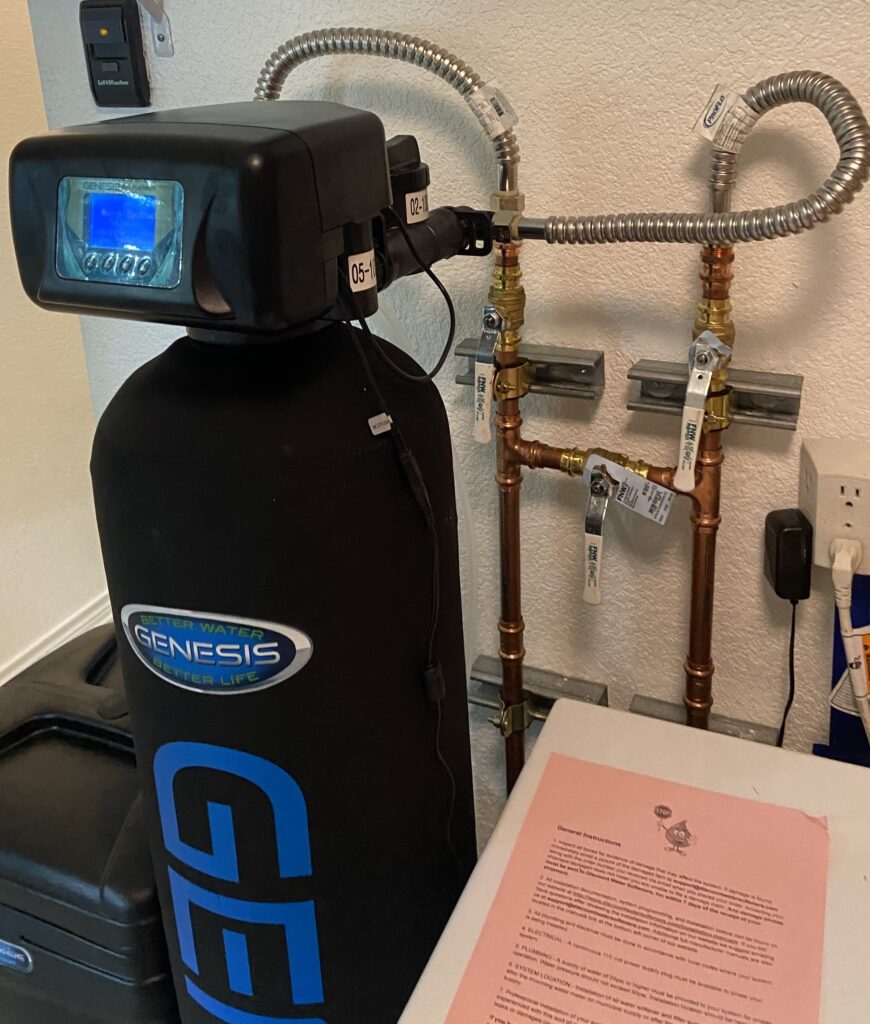
These valves are mechanical devices with springs and diaphragms inside. Like any mechanical part, they eventually fail. A failed regulator is one of the most common causes of whole house low water pressure. When the internal spring weakens or the diaphragm gets stiff, the valve may restrict water flow significantly. It acts like a partially closed faucet on your main line. You might notice that pressure starts fine when you open a tap but immediately drops off after a few seconds. This indicates the regulator is unable to maintain flow demand.
Replacing a pressure reducing valve is a standard plumbing repair but requires specific skills. It involves cutting into the main line and soldering or threading a new unit into place. A bad regulator can sometimes fail in the open position, leading to dangerously high pressure, but the low pressure failure mode is more noticeable in daily use. If your neighbors have good pressure but you do not, the regulator is the primary suspect. It acts as the gatekeeper for your entire home water system.
Mineral Buildup And Hard Water Scale
Central Texas is known for its hard water. The water supply contains high concentrations of dissolved minerals like calcium and magnesium. While safe to drink, these minerals wreak havoc on plumbing fixtures and pipes over time. As water flows through the system, it leaves behind small deposits of scale. This process accelerates in hot water lines and at points of restriction like faucet aerators and showerheads. Over years, these deposits build up and narrow the pathway for the water.
This buildup creates a restriction that mimics low water pressure. You might have plenty of pressure in the pipes, but the volume of water that can get through the clogged fixture is reduced. This is why a single sink might have low flow while the rest of the house is fine. The aerator at the tip of the faucet spout acts as a sieve. It catches sediment and mineral flakes. Cleaning these screens is the first step in troubleshooting fixture specific low pressure. Soaking showerheads in a vinegar solution can dissolve the calcium and restore flow.
The problem becomes more serious in older homes with galvanized steel pipes. Scale adheres to the rough interior of these steel pipes aggressively. The pipe diameter effectively shrinks year after year. A half inch pipe might eventually have an opening the size of a drinking straw. When this happens, no amount of cleaning will fix it. The friction loss inside the pipe destroys the pressure before it reaches the fixture. Re-piping the home with copper or plastic PEX piping is often the only permanent solution for severe scale accumulation in supply lines.
Hidden Leaks And Pipe Integrity
A sudden drop in water pressure can indicate a breach in the plumbing system. If a pipe breaks underground or inside a wall, water escapes before it reaches your faucets. This diversion of flow reduces the pressure available at the fixtures. A major leak in the main service line running from the meter to the house is a frequent culprit. In Cedar Park, shifting soil can crack these lines. The leak might be large enough to drop pressure but not surface immediately if the soil absorbs the water.
Slab leaks are another concern for homes built on concrete foundations. The copper pipes running under the foundation can develop pinhole leaks due to corrosion or friction. Because these pipes are buried, you cannot see the water. You might notice a warm spot on the floor or the sound of running water when everything is turned off. This type of leak siphons off pressure constantly. It forces the system to work harder to maintain equilibrium.
Diagnosing a leak involves checking your water meter. Ensure every faucet and appliance in the house is turned off. Go out to the meter box near the curb and look at the dial. If the small leak indicator triangle is spinning or the numbers are advancing, water is moving somewhere. This confirms a leak. Locating the exact spot requires specialized listening equipment that plumbers use to hear the hiss of escaping water underground. Fixing the leak restores pressure by closing the system loop once again.
Fixture Valves And Cartridge Issues
Sometimes the problem is not with the pipes but with the controls. Every sink, toilet, and washing machine has a dedicated shut off valve located nearby. These valves can be bumped or turned partially closed by accident. Even a slight turn can restrict the volume of water passing through. It is worth checking under sinks to ensure these valves are fully open. Older gate style valves can also break internally. The handle might turn, but the gate inside remains lowered, blocking the flow.
Inside the faucet itself, the cartridge is the engine that controls flow and temperature. Single handle faucets rely on complex cartridges with small ports. Debris from the water supply or disintegrating rubber washers can clog these ports. If you have low pressure on just the hot side or just the cold side of a specific faucet, the cartridge is likely the issue. Replacing the cartridge is a manageable repair that can make a faucet feel brand new.
The main shut off valve for the entire house is another point of failure. This valve is usually located in the garage or on an exterior wall. If this valve is not fully open, the entire house suffers from restricted flow. Gate valves are notorious for failing here as well. The stem can snap, leaving the gate partially down even when the handle is in the open position. Upgrading this main valve to a modern ball valve ensures a full flow path and reliable shut off capability for the future.
Municipal Supply And Peak Usage
There are times when the issue originates outside your property line. The municipal water system is a vast network of pumps and pipes. If there is a water main break in your neighborhood, the pressure will drop for everyone until the city repairs it. Routine maintenance on the city system, such as flushing hydrants, can also cause temporary fluctuations. If you experience a sudden drop, it is helpful to ask a neighbor if they are seeing the same thing. If they are, the problem is with the utility provider.
Peak usage times also impact pressure in some areas. In the early morning when everyone is showering or in the evening when lawn sprinklers run, the demand on the municipal system spikes. If the local infrastructure is undersized for the population growth, pressure can dip during these windows. This is less common in modern suburbs but can happen in growing areas like Cedar Park where infrastructure plays catch up with development.
Simultaneous usage within your own home mimics this effect. Your main water line has a maximum flow rate. If you run the washing machine, the dishwasher, and two showers at the same time, you are demanding more gallons per minute than the pipe can supply. The pressure drops across all fixtures. This is a flow limitation rather than a pressure defect. Upgrading to larger diameter supply lines can help, but modifying habits is the immediate fix. Understanding the limits of your plumbing system prevents frustration during high traffic times in the house.
Low water pressure is a symptom that tells a story about the health of your home. It can be a minor annoyance caused by a dirty filter or a warning sign of a major leak. Ignoring the problem rarely makes it go away. The strain on the system or the ongoing water damage from a hidden leak can lead to much higher costs down the road. A systematic check of your valves, fixtures, and pressure regulator helps you narrow down the cause.
Restoring strong water pressure improves the quality of life in your home. Showers become enjoyable again and appliances work as intended. While some fixes are simple DIY tasks, many require the tools and expertise of a licensed professional. Whitestone Plumbing has the experience to diagnose pressure issues accurately in Cedar Park homes. We can test your pressure regulator, locate hidden leaks, and clear mineral obstructions safely. Let us help you get the power back in your shower and the efficiency back in your plumbing.