
Tank Vs Tankless Water Heaters In Texas Homes
Choosing the right water heater is a major decision for any homeowner. It affects your daily comfort and your monthly utility bills. Most homes in Cedar Park were built with traditional tank water heaters. This has been the standard for decades. However, tankless technology has gained significant popularity in recent years. Many Texans are now facing the choice between sticking with the proven reliability of a tank or upgrading to the efficiency of a tankless system. The decision is not always straightforward. It depends on water usage habits, budget, and the specific infrastructure of the home.
The climate and water quality in Texas play a huge role in this decision. Our water is notoriously hard. Mineral buildup affects both types of units but in different ways. Additionally, the groundwater temperature in Texas is relatively warm compared to northern states. This gives tankless units a slight advantage as they do not have to work as hard to bring water up to temperature. Understanding the mechanics and benefits of each system helps homeowners make an informed choice. It is about balancing immediate costs against long term savings and performance.
The Mechanics Of Storage Tank Heaters
Storage tank water heaters operate on a simple principle. They hold a large volume of water, typically forty or fifty gallons, and keep it hot twenty four hours a day. The tank is insulated to retain heat. When you turn on a faucet, hot water is pulled from the top of the tank. Cold water enters the bottom of the tank to replace it. The burner or heating element then turns on to heat the incoming cold water. This cycle continues indefinitely. The unit works to maintain the set temperature regardless of if you are using water or not.
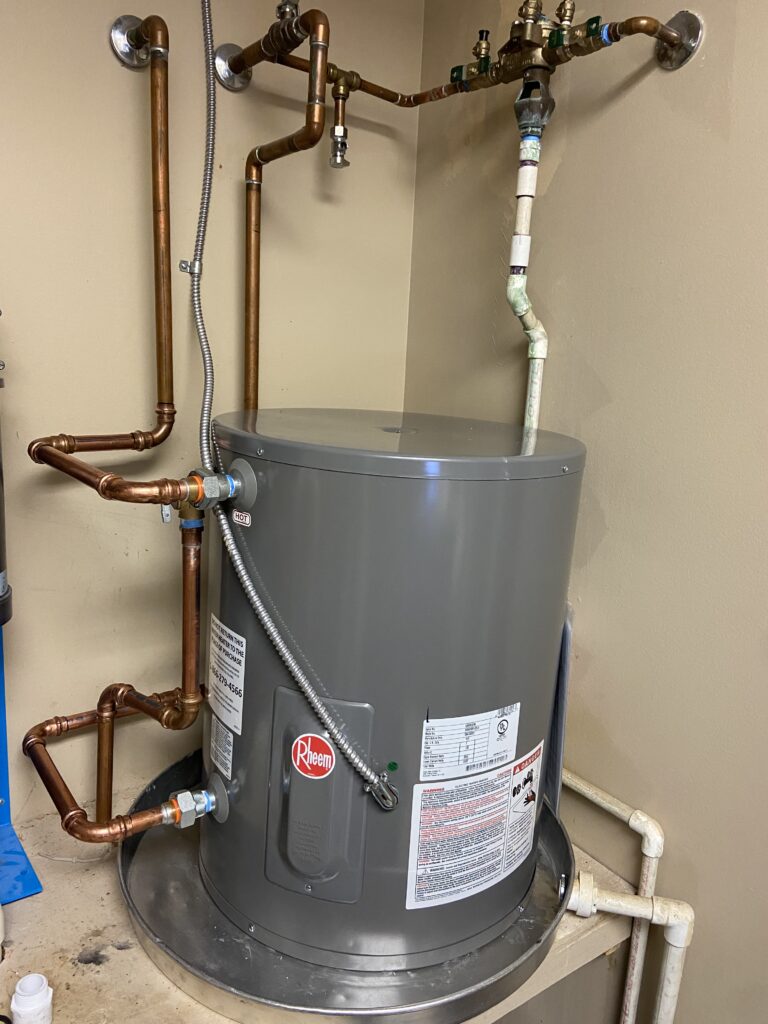
This design has distinct advantages in terms of flow. Because the water is already hot and waiting, you can run multiple appliances at once without a drop in temperature or pressure. You can take a shower while the dishwasher runs and the washing machine fills. The tank provides a large buffer. The limitation is the capacity of the tank itself. Once you deplete the forty or fifty gallons, you run out of hot water. You must wait for the tank to recover and heat the new water. This recovery time can take anywhere from thirty minutes to an hour depending on the fuel source.
Simplicity is another hallmark of tank systems. They use standard gas or electric connections found in almost every home. They do not require complex electronic boards or high capacity gas lines. This makes them easier to repair and replace in an emergency. A standard tank heater relies on natural draft for venting, which uses the buoyancy of hot air to exhaust gases up a flue. This passive system is reliable and does not require electricity to operate in gas models. This means you still have hot water during a power outage, which is a significant benefit during Texas storms.
How Tankless Technology Differs
Tankless water heaters take a completely different approach. They do not store water. Instead, they heat water only when you need it. When you open a hot water tap, a flow sensor detects the movement of water. This signals the computer to ignite the burner. The water travels through a heat exchanger where it absorbs heat from the burner. It exits the unit at the desired temperature. This process happens in seconds. As soon as you close the tap, the burner shuts off. There is no energy used to keep water hot when no one is home or asleep.
The primary appeal of this system is the potential for endless hot water. As long as you have fuel and water, the unit will continue to produce hot water. You can fill a massive soaking tub or take back to back showers without ever running cold. The limitation here is the flow rate rather than the total capacity. A tankless unit can only heat a certain number of gallons per minute. If you try to run two showers and the washing machine simultaneously, you might exceed the unit’s ability to heat the water fast enough. This results in lukewarm water at all outlets.
Tankless units are much more complex machines. They rely on sophisticated electronics, fans, and sensors to operate safely and efficiently. They require electricity to run. If the power goes out in Cedar Park, you will not have hot water with a standard tankless installation. Battery backups are available but add to the cost. The venting requirements are also stricter. Tankless units use forced air venting which requires dedicated PVC pipes running to the exterior. They cannot share a flue with a furnace or other appliance. This often complicates installation in older homes.
Energy Efficiency And Operating Costs
Energy efficiency is where the tankless water heater truly shines. A traditional tank suffers from standby energy loss. Heat inevitably escapes through the walls of the tank. The burner must cycle on and off throughout the day to compensate for this loss even if you do not use a single drop of water. This waste adds up over the course of a year. In a warm garage in Texas, this loss is lower than in a cold basement, but it still exists. Older tanks with poor insulation are significant energy wasters.
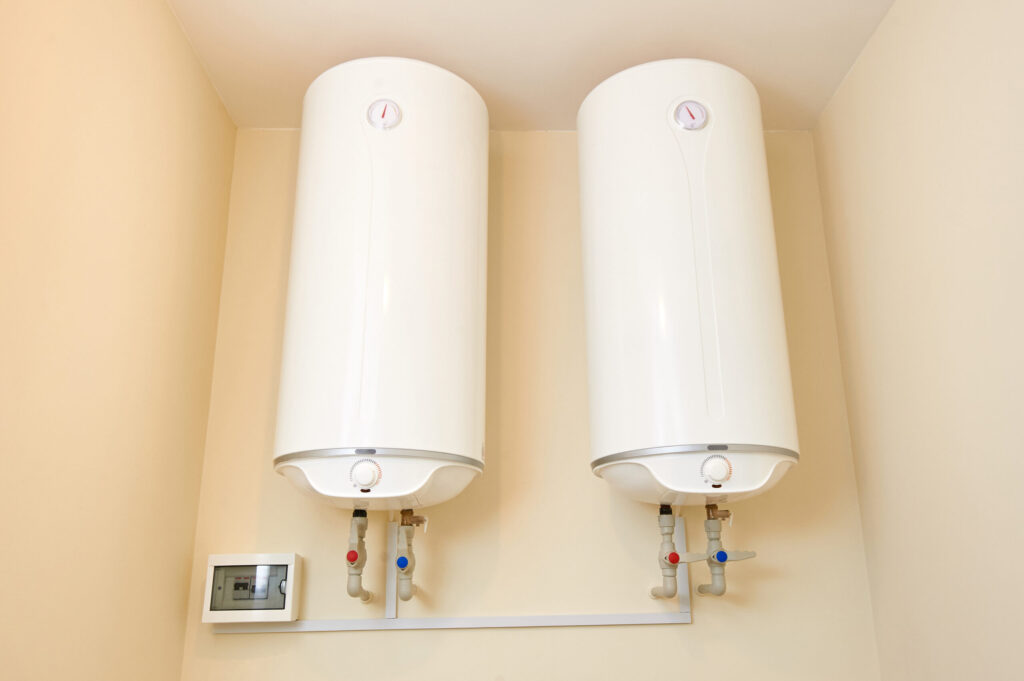
Tankless units eliminate standby loss entirely. They have a thermal efficiency rating that is significantly higher than tank models. Some high efficiency condensing tankless models capture heat from the exhaust gases to preheat the incoming water. This pushes their efficiency rating even higher. For a home that uses a moderate amount of hot water, a tankless unit can be twenty to thirty percent more efficient than a storage tank. This efficiency translates directly to lower monthly gas bills. The savings can be substantial over the lifespan of the unit.
However, the operating cost analysis must include the cost of the equipment. Tankless water heaters are more expensive to purchase than tank heaters. The installation costs are also higher due to the complexity of the venting and gas line requirements. It may take several years of energy savings to recoup the initial investment difference. Homeowners who plan to stay in their house for a long time will see the best return on investment. Those planning to move in a few years might not recover the extra upfront cost.
Impact Of Texas Hard Water
Cedar Park and the surrounding areas have hard water. This means the water contains high levels of minerals like calcium and magnesium. These minerals are the enemy of all water heaters. In a tank water heater, the minerals settle to the bottom of the tank as the water heats up. This sediment layer acts as an insulator between the burner and the water. The burner has to work harder to heat the water through the sediment. This overheats the metal tank bottom and eventually leads to leaks. Regular flushing helps, but it is difficult to remove all the sediment from a large tank.
Hard water poses a different threat to tankless units. The narrow passages in the heat exchanger are prone to scale buildup. As the water is flash heated, scale forms on the interior of the copper or stainless steel pipes. This scale reduces heat transfer and restricts water flow. Because the heat exchanger is the heart of the system, scaling can lead to premature failure. Tankless manufacturers mandate regular maintenance to combat this. Owners must flush the unit with a vinegar solution or a descaling agent once a year to dissolve the mineral deposits.
Ignoring maintenance on a tankless unit in Texas is a recipe for disaster. The warranty on the heat exchanger is often void if scale buildup is the cause of failure. Many homeowners install a water softener or a scale inhibitor system alongside their tankless unit. This treats the water before it enters the heater. While this adds to the installation cost, it protects the investment and ensures the unit operates at peak efficiency. Tank heaters are more forgiving of neglect, but they too suffer from shortened lifespans without water treatment.
Installation And Infrastructure Requirements
Replacing a tank with another tank is usually a simple job. The connections are in the same place and the venting is likely compatible. Swapping a tank for a tankless unit is a major construction project. The first hurdle is the gas line. Tankless units require a massive amount of energy in a short burst to heat water instantly. They often require up to two hundred thousand BTUs. A standard tank only uses thirty to forty thousand BTUs. The existing half inch gas line in most homes is too small to supply this much fuel. Upgrading the gas line from the meter to the unit is often necessary.
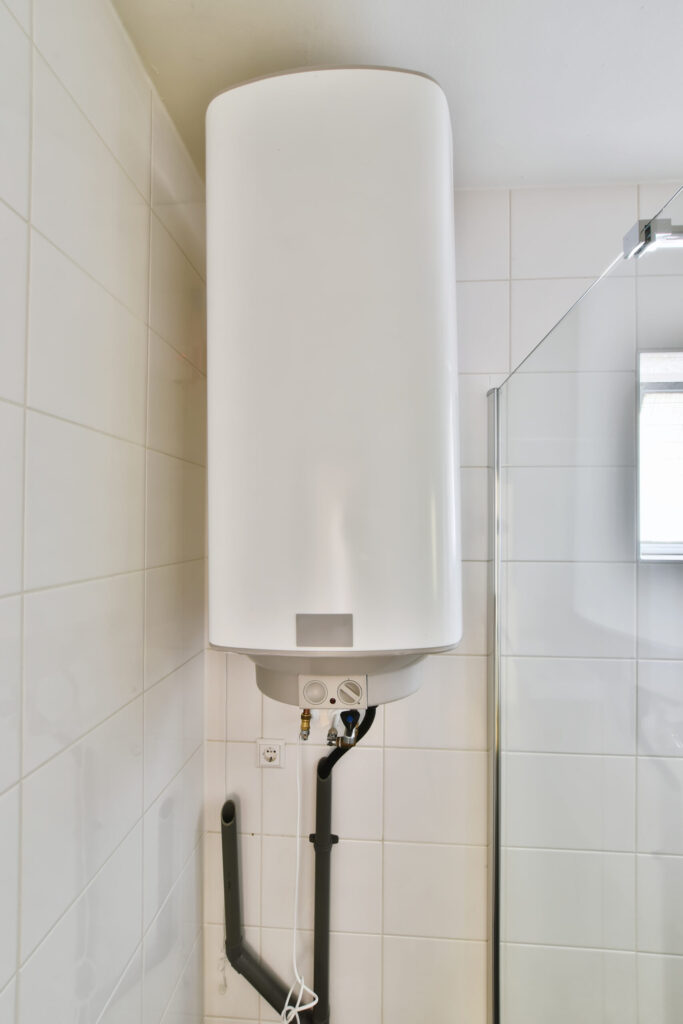
Venting is the second major infrastructure challenge. Tankless units generally require two pipes. One brings in fresh air for combustion and the other exhausts the fumes. These pipes must be run through the roof or out the side wall. You cannot use the existing metal flue that served the old tank. This might require cutting holes in the siding or roof. If the water heater is located in the center of the home, finding a route for these pipes can be difficult and expensive.
Location is another factor. Tankless units are small and wall mounted. They free up valuable floor space in the garage or closet. This is a huge benefit for homeowners with limited storage. However, they need to be mounted on a wall that can support the weight and allows for the necessary clearances. Outdoor installation is an option in Texas due to our mild climate. This simplifies venting but requires freeze protection measures. Even with built in heaters, an outdoor unit is vulnerable during extreme cold snaps like we have seen in recent years.
Longevity And Reliability
A traditional tank water heater has a typical lifespan of eight to twelve years. The constant heating and cooling cycles eventually take their toll on the steel tank. Once the tank corrodes and starts to leak, it must be replaced immediately. There is no repair for a leaking tank. The glass lining inside the tank delays corrosion, but it eventually cracks. The anode rod, a sacrificial metal rod inside the tank, helps prevent rust but needs to be checked and replaced periodically. Most homeowners neglect this, leading to earlier failure.
Tankless water heaters are designed to last longer. With proper maintenance, they can last twenty years or more. Every part of a tankless unit is replaceable. If a sensor fails or a fan breaks, you can swap it out without replacing the entire unit. The heat exchanger is the most expensive component, but even that can be replaced. This modularity makes tankless units a more sustainable long term option. You are throwing away less metal over the decades.
However, complexity introduces more points of failure. A tank heater has very few moving parts. A tankless heater has computer boards, flow sensors, igniters, and modulating gas valves. A power surge can fry the electronics. An insect can nest in the air intake and cause an error code. Troubleshooting a tankless unit requires a trained technician with specialized tools. You cannot simply relight the pilot light and hope for the best. Whitestone Plumbing technicians are trained to diagnose and repair these complex systems accurately.
The choice between tank and tankless water heaters comes down to your specific needs and home layout. Tank heaters offer low upfront costs and simple, reliable operation that works without electricity. They are a safe bet for many households in Cedar Park. Tankless heaters offer endless hot water, energy savings, and a longer lifespan. They are ideal for large families or those who want to maximize space and efficiency. The upfront investment is higher, but the performance benefits are undeniable.
Whitestone Plumbing specializes in both types of systems. We can assess your current gas lines, venting, and water quality to give you an honest recommendation. We do not believe in a one size fits all approach. We look at your usage patterns and your budget to find the perfect solution. Proper installation is critical for the performance of either system. Trust the experts to handle your gas and water lines safely. Contact us today to schedule a consultation and upgrade your home comfort.