
Why Licensing and Insurance Matter More Than You Think
When a plumbing emergency strikes or a renovation project begins, the immediate focus for most homeowners in Cedar Park is often the cost. Everyone wants to save money where they can, and the temptation to hire a handyman or an uncertified acquaintance who offers a significantly lower rate is powerful. On paper, the numbers look attractive. You might think you are getting the same result for half the price. However, this line of thinking ignores the massive risks associated with unlicensed work. Plumbing is not merely about connecting pipes and ensuring water flows; it is a regulated trade that directly impacts the health, safety, and structural integrity of your home. The price difference between a licensed professional and an amateur is not just a markup; it is the cost of protection, expertise, and accountability.
Hiring someone without the proper credentials essentially transfers all the liability from the worker to you. If something goes wrong, you are the one left holding the bill for repairs, medical expenses, and legal fees. The state of Texas enforces strict licensing requirements for a reason. These laws exist to protect consumers from incompetence and negligence. When you bypass these regulations to save a few dollars upfront, you are gambling with your biggest financial asset. The consequences of a bad plumbing job can linger for years, manifesting as hidden leaks, mold growth, or dangerous code violations that surface only when you try to sell your home.
Understanding the depth of what licensing and insurance cover helps shift the perspective from cost to value. A licensed plumber brings years of training and verified knowledge to the job site. Insurance provides a financial safety net that covers accidents and damages. Together, these two factors form a shield around your home. Without them, you are exposed to a variety of financial and legal threats that can easily bankrupt a household or ruin a property’s market value. It is crucial to view plumbing services not as a commodity, but as a professional service where qualifications are the most important metric.
The Rigorous Path to Licensure
A plumbing license in Texas is not something that is simply purchased or applied for; it is earned through years of dedicated effort and testing. The Texas State Board of Plumbing Examiners sets high standards for anyone wishing to call themselves a plumber. Before an individual can even sit for the tradesman or journeyman exam, they must complete thousands of hours of on-the-job training under the supervision of a Master Plumber. This apprenticeship ensures that they have encountered a wide variety of real-world scenarios before they are ever allowed to work independently in your home.
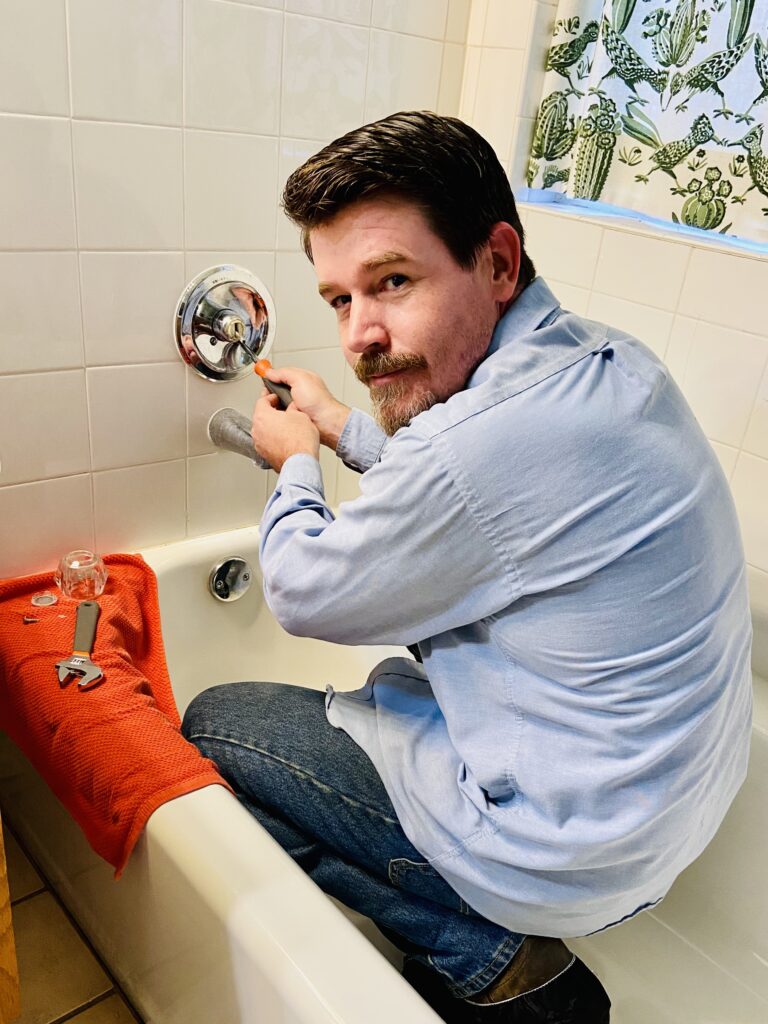
Beyond the practical experience, there is a significant educational component. Plumbers must study physics, mathematics, and the complex regulations of the plumbing code. They have to understand how water pressure works, how to size pipes correctly for different loads, and how to vent gases safely out of a building. The exams are difficult and comprehensive, designed to weed out those who do not possess the necessary technical knowledge. When you hire a licensed plumber from Whitestone Plumbing, you are hiring someone who has proven their competence to the state board.
An unlicensed worker has none of these verifiable credentials. They may have watched a few videos or fixed a few leaks, but they lack the foundational understanding of the entire plumbing system. They often guess at the right solutions rather than calculating them. This lack of formal training leads to critical mistakes, such as using the wrong type of pipe for a specific application or failing to install proper backflow prevention. These errors might not cause an immediate failure, but they create ticking time bombs inside your walls. The license is your guarantee that the person working on your home actually knows what they are doing.
The Financial Safety Net of Liability Insurance
Accidents happen even to the most skilled professionals. A heavy tool might drop and crack a tile floor, or a solder joint might fail during a pressure test and spray water onto expensive cabinetry. In these unfortunate situations, liability insurance is the mechanism that protects the homeowner. A legitimate plumbing company carries General Liability insurance to cover damages caused to your property during the course of the work. If a licensed plumber accidentally floods your kitchen, their insurance policy pays for the restoration, the new cabinets, and the floor replacement.
If you hire an uninsured handyman, you have no such protection. If they cause damage to your home, you are responsible for the costs. You can try to sue them, but uncertified workers rarely have the assets to cover significant damages. You would likely spend more on legal fees than you would recover. Your own homeowners insurance might also deny the claim if they discover that you knowingly hired an unlicensed contractor to perform the work. This leaves you paying out of pocket for damages that were not your fault.
Liability insurance also covers completed operations. This means that if a repair fails three weeks after the plumber leaves and causes water damage, the policy can still kick in. This tail coverage is essential for peace of mind. It ensures that the company stands behind their work financially, not just verbally. When you ask to see proof of insurance, you are asking for proof that the company is solvent and responsible enough to handle the worst-case scenarios.
The Importance of Workers Compensation
Many homeowners overlook the risk of personal injury on their property. Plumbing is physically demanding work that often involves climbing ladders, working in tight attics, or digging in trenches. Injuries are a real possibility. Licensed plumbing companies carry Workers Compensation insurance, which covers the medical bills and lost wages of any employee injured on the job. This policy prevents the injured worker from suing the homeowner for damages.
If you hire an unlicensed individual who does not have this coverage, you could be held liable for their injuries. If a handyman falls off a ladder while installing a water heater in your garage, they can sue you for their medical expenses and rehabilitation costs. In the eyes of the law, you might be considered their employer because you hired them for a task and directed their work. A simple plumbing job could turn into a personal injury lawsuit that threatens your savings and your home equity.
Workers Compensation is expensive, which is one reason why legitimate companies charge more than illegal operators. However, that cost is a premium you pay to insulate yourself from litigation. It draws a clear legal line between you and the workers. By hiring Whitestone Plumbing, you ensure that the professionals working on your property are fully covered by their employer, removing any risk of liability from your shoulders.
Code Compliance and Safety
Plumbing codes are not arbitrary rules; they are safety standards written in blood and financial loss. Every code provision exists because, at some point, a failure caused injury, sickness, or property destruction. Licensed plumbers are required to stay up to date with the current International Plumbing Code and local Cedar Park amendments. They understand the nuances of venting, slope, and material compatibility. They know why certain fittings cannot be used underground and why gas lines require specific sediment traps.
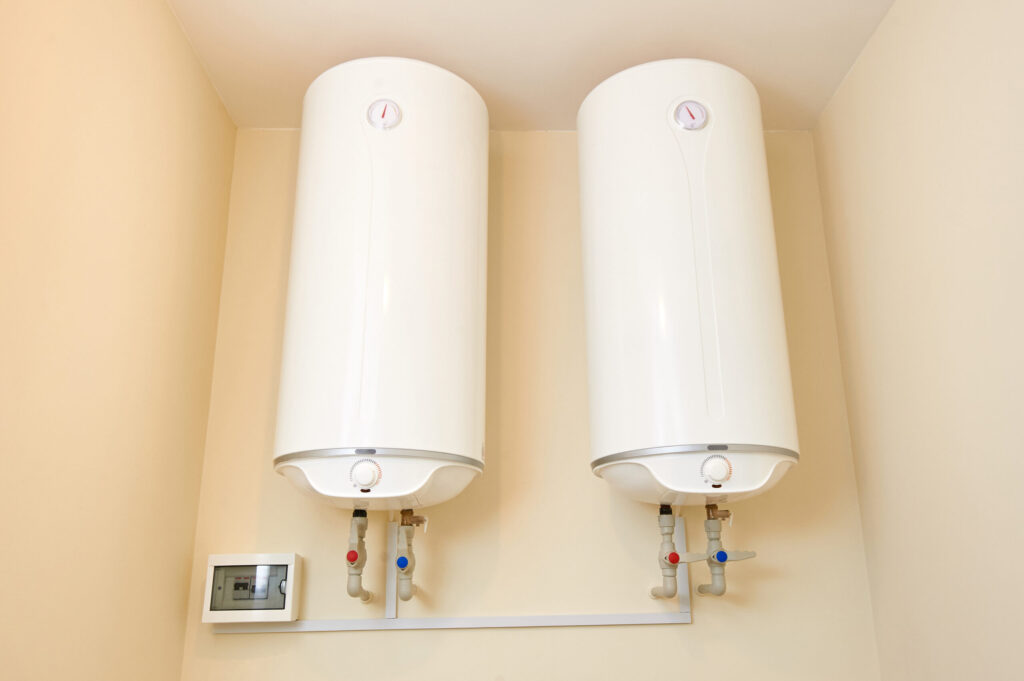
Unlicensed workers often view codes as suggestions or annoyances. They frequently bypass safety requirements to save time or material costs. For example, they might vent a sewer line improperly, allowing deadly methane and sewer gases to seep back into your living space. They might connect a dishwasher without an air gap or high loop, creating a cross-connection where dirty dishwater can siphon back into your clean water supply. These code violations pose serious health hazards to your family.
Gas line work is particularly critical. A licensed plumber knows exactly how to size gas lines and test them for leaks using approved methods. An amateur might leave a small leak that goes undetected until it accumulates enough gas to cause an explosion. The stakes are simply too high to trust this work to anyone who has not been rigorously tested and certified. Compliance with the code ensures that your plumbing system is safe, sanitary, and efficient.
Manufacturer Warranties and Product Lifespan
When you purchase a new water heater, toilet, or faucet, it typically comes with a manufacturer’s warranty. This warranty is a promise from the maker that the product will function for a set period. However, almost every warranty contains a clause that voids coverage if the unit is not installed by a licensed professional. Manufacturers know that improper installation is the leading cause of premature failure, and they refuse to pay for mistakes made by amateurs.
If an unlicensed handyman installs your tankless water heater and it fails six months later due to incorrect gas pressure or venting, the manufacturer will likely deny your warranty claim. You will be forced to buy a brand new unit at full price. By hiring a licensed plumber, you protect the warranty coverage. Additionally, professional installation ensures the unit operates within its design parameters, maximizing its lifespan.
Licensed plumbers also have access to professional-grade parts and fixtures that are not available at big-box home improvement stores. The faucets and valves sold to trade professionals often contain brass internals rather than plastic, offering superior durability. An amateur will buy the cheapest available parts, which often fail quickly, leading to more repairs. Investing in professional installation is an investment in the longevity of the hardware itself.
The Real Estate Implications
Your home is likely your largest investment, and its value depends heavily on the condition of its core systems. When you eventually decide to sell your home, the buyer will hire a professional inspector to evaluate the property. These inspectors are trained to spot unpermitted and non-compliant plumbing work. If they find evidence of amateur repairs, such as S-traps under sinks or improper relief valve piping, it raises a red flag for the entire transaction.
Unpermitted work can kill a sale. Buyers may demand that you hire a licensed plumber to rip out and redo the work properly before they close. In some cases, you might have to open up walls to expose pipes for inspection by the city. This can delay the sale by weeks and cost thousands of dollars in emergency construction work. Even worse, if the buyer walks away, your home is now stigmatized as having plumbing issues.
Having a history of work performed by licensed professionals, complete with permits and invoices, adds value to your home. It gives buyers confidence that the house has been well-maintained. It streamlines the inspection process and removes potential bargaining chips from the negotiation table. Hiring a licensed plumber is a strategic move to protect your property’s equity and marketability.
The Hidden Costs of Cheap Labor
The allure of the “cheap” plumber fades quickly when the problems start. The initial savings are often an illusion. Unlicensed workers often lack the specialized tools required to diagnose problems accurately. They might spend hours guessing at the location of a leak that a professional could find in minutes with the right equipment. Since many charge by the hour, their inefficiency eats away at the price difference.
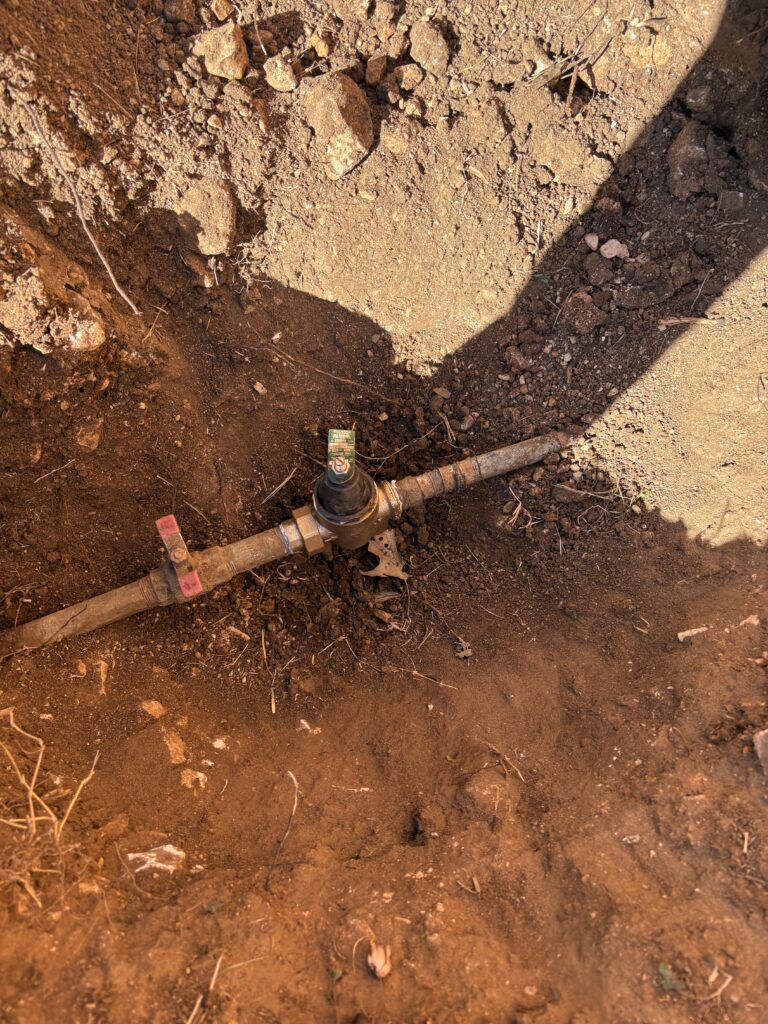
Furthermore, there is the cost of rework. If a handyman fixes a leak incorrectly and it bursts again while you are at work, the resulting water damage will cost far more than the original professional repair would have. You end up paying for the job twice: once for the amateur to do it wrong, and once for the professional to fix the mess. There is also the cost of your time. Professionals show up with fully stocked trucks, ready to complete the job. Amateurs often have to make multiple trips to the hardware store, dragging the project out over days.
Cheap labor often cuts corners on materials as well. They might use chemical drain cleaners instead of snaking a drain, damaging your pipes. They might use saddle valves that are prone to leaking instead of proper tee fittings. These shortcuts reduce the lifespan of your plumbing system, leading to earlier replacement costs. The old adage “you get what you pay for” is exceptionally true in the plumbing trade.
Accountability and Recourse
When you hire a licensed plumbing company like Whitestone Plumbing, you are entering into a professional contract. If you are unsatisfied with the work, you have recourse. You can speak to a manager, request a callback, or rely on the company’s satisfaction guarantee. Licensed businesses rely on their reputation to survive. They have a physical address, a website, and a standing in the community. They are motivated to resolve complaints to maintain their license and their good name.
Unlicensed individuals operate in the shadows. If they take your deposit and never show up, or if they destroy your bathroom and stop answering their phone, you have very few options. They can disappear easily. The Texas State Board of Plumbing Examiners cannot discipline someone who is not licensed. You are left with a broken home and no way to hold the worker accountable.
Hiring a licensed professional provides a layer of consumer protection. You know who they are, you know they are regulated by the state, and you know they have a business structure designed to handle customer service issues. This accountability is invaluable when dealing with complex home repairs.
The decision to hire a licensed and insured plumber is a decision to protect your home, your finances, and your family. While the upfront cost may be higher than an unlicensed handyman, the value provided is immeasurable. You are paying for years of training, adherence to safety codes, insurance coverage, and the assurance that the job will be done right the first time. In a trade where a single mistake can lead to catastrophic water damage or dangerous health hazards, expertise is not a luxury; it is a requirement.
Cedar Park homeowners must resist the temptation to cut corners on plumbing infrastructure. The risks of litigation, injury liability, code violations, and voided warranties are simply too high. By choosing a legitimate, credentialed provider, you are investing in the long-term health of your property. You are ensuring that your water remains clean, your waste is disposed of safely, and your home retains its value.
Whitestone Plumbing takes pride in maintaining the highest standards of licensure and insurance. We do this not just to comply with the law, but to offer our neighbors the highest level of service and security. When you invite us into your home, you can rest easy knowing that you are protected by a team of true professionals. Do not gamble with your home; trust the experts who have earned the right to serve you.