
Why Grease Is The Worst Thing For Your Kitchen Drain
Grease looks harmless when it leaves the pan, because it pours like water and vanishes down the sink in a couple of seconds. The trouble starts a few feet later, inside a cooler section of pipe where that liquid fat begins to thicken and cling to the walls of the line. Every meal after that adds another thin coat, and the opening inside the pipe gets smaller while the flow through it gets slower. Fall and winter cooking in Central Texas makes the situation worse, since bacon fat, turkey drippings, brisket runoff, chili grease, and fryer oil all show up in much heavier volume between September and January. Plumbers across Cedar Park, Leander, and Round Rock see more kitchen backups during holiday weeks than at any other stretch of the year, and nearly all of them trace back to fats, oils, and grease. The good news is that a grease clog is preventable with a few simple habits, and it is fixable when you catch it early enough. This guide walks through what grease actually does inside your kitchen drain, how to recognize the warning signs before the sink stops draining entirely, and what it takes to get the line genuinely clean again.
What Grease Does To Your Kitchen Drain After It Goes Down The Sink
Grease behaves like a liquid only while it is hot, and that window is much shorter than most homeowners expect. The moment it contacts a cooler pipe wall it starts to thicken, and thickened grease sticks to any surface it touches. Kitchen branch lines in most Central Texas homes measure only 1.5 to 2 inches across, which does not leave much room for a coating to develop before the flow suffers noticeably. That coating stays sticky for a long time, so it grabs coffee grounds, rice, pasta, eggshells, and small food scraps that would otherwise wash straight through to the main line. Over the course of several months, the buildup narrows the pipe into something closer to a straw than a drain. By the time water pools in the basin and refuses to move, the blockage has usually been forming quietly for a year or more.
How Grease Cools And Hardens Inside Your Kitchen Drain
Cooking oil leaves the stove somewhere between 200 and 375 degrees, and it stays fluid at that temperature without any effort at all. Drain piping under your sink sits at room temperature or lower, and the soil around the pipe running out to the sewer stays cooler still for most of the year. Hot grease loses its heat to those cooler surfaces within a matter of seconds, and as the temperature drops the fat returns to a semisolid state. Animal fats such as bacon grease, butter, lard, and the drippings from a roast solidify at fairly high temperatures, which means they firm up almost immediately once they leave the sink basin. Vegetable oils stay liquid longer, though they still thicken into a sticky film as they cool and oxidize inside the line. Neither type simply washes away to the city sewer the way water does. What actually happens is that the grease coats a section of pipe several feet downstream and stays there, waiting for the next contribution.
That first layer is thin enough that nothing seems wrong, and the sink drains at full speed for weeks afterward. The second layer bonds to the first, the third bonds to the second, and the deposit slowly thickens the way sediment builds inside a neglected water heater tank. Because the surface of that deposit is tacky rather than smooth, it captures solid debris that would have passed through a clean pipe without any issue at all. Coffee grounds are especially good at sticking to it, and so are starches from rice and pasta that swell once they absorb water. Older homes throughout Cedar Park, Georgetown, and central Austin often have cast iron drain lines with rough, corroded interior surfaces that give grease even more to hold onto. Newer PVC is smoother and more forgiving, though it clogs the same way once the coating has a foothold. The end result in both cases is a pipe that has lost most of its usable diameter without any visible sign at the sink.
Central Texas hard water adds one more layer to the problem, and it is the layer that catches homeowners off guard. Our municipal water carries a heavy load of dissolved calcium and magnesium, and those minerals react chemically with fatty acids and soap residue in a process called saponification. The product of that reaction is a hard, waxy, soap like deposit that bonds tightly to pipe walls and behaves nothing like the soft grease that went down the drain. It will not melt when you run hot tap water over it, and it does not break apart when you pour a kettle down the sink. Once saponified buildup forms, it usually has to be cut or scoured off the pipe wall mechanically. This is a major reason grease clogs in our area prove more stubborn than the same clogs in regions with soft water. It also explains why the same sink keeps backing up in the same house year after year, even after repeated attempts to clear it.
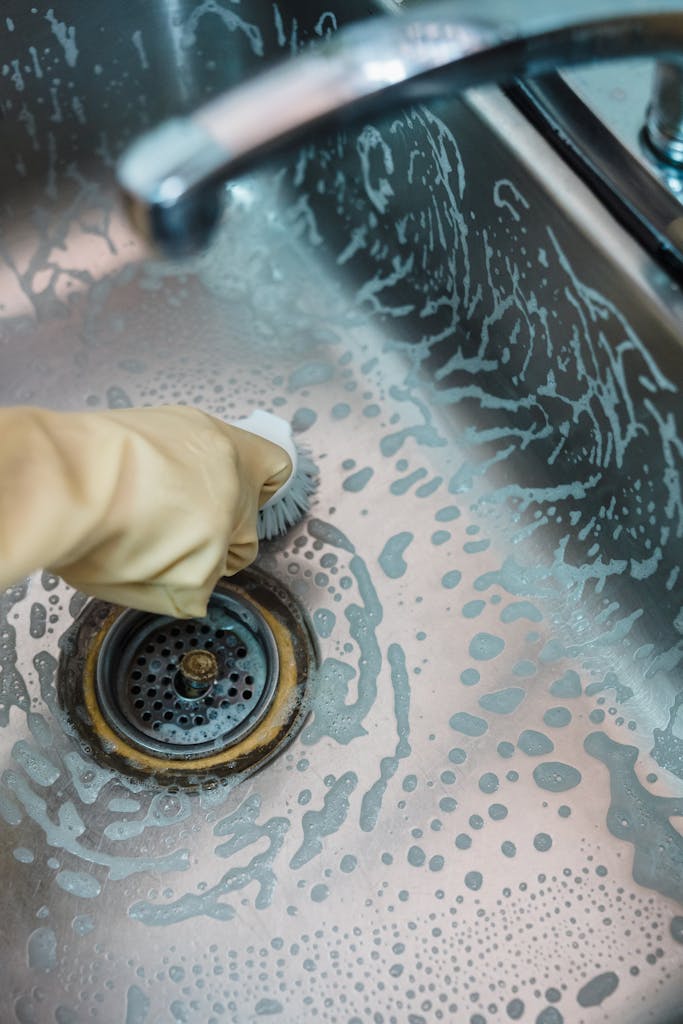
Why Hot Water And Dish Soap Do Not Protect Your Kitchen Drain
The most common piece of kitchen advice passed between neighbors is to run the tap on hot while pouring grease, and it is wrong in a way that costs people real money. Hot tap water leaves your faucet at roughly 120 degrees and immediately begins shedding heat to the sink basin, the trap, and the surrounding pipe. Within a few feet of travel it has cooled substantially, and the grease riding along with it thickens right on schedule. All that hot water accomplishes is relocating the deposit from a spot you could reach easily to a spot buried in a wall or under a slab. Clogs that form close to the P trap are simple and inexpensive to clear on a service call. Clogs that form thirty feet out in the branch line or at the connection to the main sewer require far more equipment and far more labor. Pouring hot water behind the grease does not eliminate anything; it just moves the bill further down the pipe.
Dish soap creates the same false confidence for a slightly different reason. Detergents contain surfactants that emulsify fat, meaning they break large volumes of grease into tiny droplets suspended in water so your plates come out clean. That suspension is temporary by design, and it depends on agitation and warm water to hold together. Once the mixture slows down inside a cool horizontal pipe, the droplets separate out of the water and recombine on the pipe wall. The soap has not destroyed the grease at any point in that process; it only carried the grease a little further before releasing it. Worse, the soap itself joins the reaction with our hard water minerals and contributes to the scum layer forming inside the line. Two things you assumed were cleaning the drain are quietly helping to plug it.
Boiling water deserves a specific warning, because plenty of online advice recommends dumping a full kettle down a slow kitchen sink. Water at 212 degrees can soften PVC drain fittings and stress the solvent welded joints that hold the assembly together, particularly on older or poorly glued work. It can also damage the rubber gaskets in a garbage disposal and the seals on some dishwasher connections. Even setting the damage risk aside, boiling water only melts the softest surface of a grease deposit and never touches the saponified material bonded underneath. The melted portion travels a short distance, cools, and hardens again somewhere else in the system. You get a few days of improvement followed by a return to the same slow drain. Real removal requires physically scouring the pipe wall, and no amount of water poured from a pot will do that job.
Warning Signs Of Grease Buildup In Your Kitchen Drain
A kitchen drain almost never fails without warning, though the early signals are subtle enough that most people tune them out. The first sign is usually a change in speed, where the sink that used to empty in five seconds now takes fifteen or twenty. You might notice water swirling and pausing near the bottom of the basin instead of dropping straight through. A dishwasher that finishes its cycle with an inch of standing water in the tub is another early clue, since the dishwasher discharges into the same kitchen line through the disposal or an air gap. Sinks with two basins may start showing water in the unused side while you run the other one. Each of these symptoms points to a line that has lost diameter but has not closed off completely. Acting at this stage is dramatically cheaper than waiting for a full stoppage.
Smell and sound tell you a great deal about what is happening inside a pipe you cannot see. A sour, rancid odor rising from the drain comes from food and fat decomposing in the buildup, and it will not go away with rinsing or air freshener. Gurgling as the sink empties means air is being pulled through the water in the trap because the restricted line cannot vent and drain smoothly at the same time. If that gurgling starts affecting other fixtures, the buildup has likely progressed past the kitchen branch and into shared piping. Bubbles rising in a nearby floor drain or a toilet reacting when the kitchen sink drains both suggest a main line issue rather than a local one. Odor combined with sound is a stronger warning than either symptom on its own. Homes on septic systems should treat these signs with extra urgency, since grease reaching the tank coats the interior and shortens the life of the drain field.
Repetition is the most reliable indicator of all. A single clog can happen for any number of reasons, and clearing it once is normal household maintenance. A sink that backs up every few weeks in the same way is telling you that the pipe wall is coated and that plunging or a store bought product is only opening a temporary channel through the middle of the deposit. Water finds that narrow channel, the sink drains for a while, and the opening seals shut again with the next round of dishes. Homeowners often spend more over two years of repeat treatments than they would have spent on one thorough professional cleaning. Recurring backups also raise the odds of an overflow that reaches cabinets, flooring, and drywall. When the same drain fails on a schedule, the line itself needs attention rather than another quick fix. Noticing any of these signs at your kitchen sink right now? Click here for our drain cleaning service.
How To Keep Grease Out Of Your Kitchen Drain For Good
Prevention costs almost nothing and takes about ten extra seconds per meal, which makes it the best return on effort in home plumbing. The core rule is simple enough to teach a child: fats, oils, and grease belong in the trash, never in the sink. That rule covers more than the obvious pan of bacon drippings, since it also includes salad dressing, mayonnaise, gravy, butter, cheese, cream sauces, meat marinades, and the oily residue left in takeout containers. Municipalities across the Austin metro spend serious money every year removing accumulated fat from public sewer mains, and residential kitchens are the main source of that material. Keeping grease out of your kitchen drain protects your own pipes first and the shared system second. A few smart habits at the counter will keep you from ever needing an emergency call on a holiday weekend.
The Right Way To Dispose Of Cooking Grease Instead Of Your Kitchen Drain
Start with a dedicated container that lives near the stove, because the easiest option is the one people actually use. An empty coffee can, a glass jar, a metal soup can, or a lidded plastic tub all work perfectly well for collecting used cooking fat. Pour the grease in after the pan has cooled to a safe handling temperature, then let the container sit until the contents solidify. Once the fat has hardened, cap it and put the whole container in the trash on collection day. Larger volumes from deep frying can be poured back into the original oil bottle and sealed for disposal. Never pour hot oil directly into a thin plastic bag or a lightweight cup that could deform and leak. This one habit eliminates the overwhelming majority of grease that would otherwise enter your plumbing.
Wiping is the step that separates a drain in good shape from one that slowly declines. Even after you pour off the bulk of the fat, a meaningful film remains on the pan, the plate, the baking sheet, and the roasting rack. Take a paper towel or an old cloth and wipe that residue into the trash before anything reaches the sink or the dishwasher. Scrape solid food scraps into a compost bin or the garbage can rather than pushing them toward the disposal. Sauce pots, casserole dishes, and anything that held melted cheese deserve particular attention, because dairy fat is heavy and clings aggressively. A fine mesh sink strainer catches whatever slips past and costs only a few dollars at any hardware store. These small steps together remove far more fat from your kitchen drain than any product you can pour in afterward.
Some disposal methods sound responsible but create different problems, so it is worth naming them directly. Do not pour cooking oil into the yard, a flower bed, or a storm drain, since it attracts pests, kills vegetation, and flows untreated into local creeks. Do not flush grease down a toilet, because the same buildup happens in that line with far messier consequences. Do not rely on hot water and detergent to carry fat out to the street, for all the reasons covered above. Larger quantities of used fryer oil can often be dropped at a municipal collection event or a recycling site, and several Central Texas cities run those programs seasonally around the holidays. Restaurants are required to use grease traps for exactly this reason, and residential kitchens generate the same material in smaller batches. Treating cooking fat as solid waste from the beginning keeps your plumbing and the public system healthier.
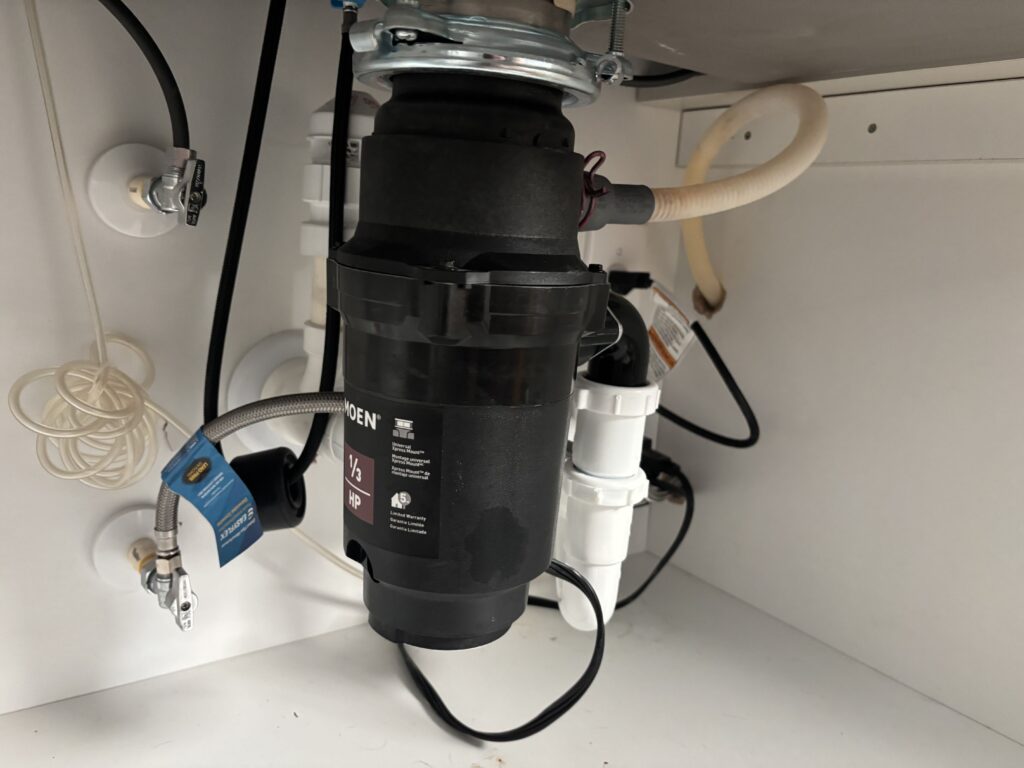
What Your Garbage Disposal Can And Cannot Do For Your Kitchen Drain
A garbage disposal is a grinder, and understanding that single fact prevents a lot of expensive misunderstandings. The unit uses spinning impellers to break soft food scraps into particles small enough to pass through the drain line with running water. It has no ability to change the chemistry of fat, and grease that enters a disposal exits it in exactly the same condition. Everything that goes through the unit lands in the same trap and the same branch line where cooling and hardening take place. Running a disposal after pouring grease down the sink accomplishes nothing except spreading the fat across more surface area. The appliance is a convenience for scraps, not a treatment system for oil. Homeowners who understand that distinction get many more years out of both the disposal and the drain.
Certain items belong in the trash regardless of how powerful your unit is rated. Coffee grounds, eggshells, rice, pasta, oatmeal, potato peels, celery, corn husks, onion skins, and bones all cause trouble, and they cause far more trouble in a pipe already coated with grease. Starchy foods swell and turn to paste, fibrous foods wrap around the impellers, and grounds settle into any deposit they encounter. Running cold water during and after grinding does help, since cold water keeps residual fats firm so the unit can chop them and flush them along rather than smearing them. Let the water run for another twenty or thirty seconds after the grinding noise stops to move the particles well past the trap. Cleaning the unit periodically with ice cubes and a little dish soap keeps the chamber and the splash guard from turning sour. None of these practices substitute for keeping grease out in the first place.
Signs of disposal trouble often overlap with signs of a grease clog, and telling them apart saves time. A unit that hums without spinning is jammed, and a unit that clicks or stays silent may have tripped its internal reset or lost power. Water backing up into the basin while the disposal runs normally points to a restriction in the drain line rather than a problem with the appliance. Leaks under the sink after a backup usually mean pressure forced water past a slip joint, a worn gasket, or a corroded housing. Persistent odors that survive cleaning generally come from buildup in the pipe beyond the unit. A licensed plumber can determine quickly which component is actually at fault and repair the right one. Dealing with a disposal that hums, jams, or leaks under the sink? Click here for our garbage disposal repair service.
Kitchen Drain Habits That Prevent Grease Buildup Year Round
Consistency matters more than intensity when it comes to protecting a kitchen drain. Running cold water for fifteen to twenty seconds before and after washing greasy dishes helps keep any residual fat firm enough to travel rather than spread. Wiping cookware before it reaches the sink removes the material that would otherwise start the next layer. Emptying the sink strainer into the trash after every meal takes seconds and stops solids from bonding to the pipe wall. Keeping a lidded grease container within arm’s reach of the stove removes the excuse that leads to a quick pour down the sink. Households that adopt these four habits rarely deal with kitchen backups at all.
Holiday cooking calls for a heightened version of the same routine, because volume is the real risk factor. A single turkey can release a quart or more of drippings, and a brisket, a ham, or a pan of enchiladas produces enough fat to coat a substantial run of pipe on its own. Set out an extra container before you start cooking so nobody has to improvise mid meal. Brief houseguests and family members on where the grease goes, since visitors usually default to the habits from their own kitchens. Stagger the dishwashing rather than sending everything through in one heavy stretch, which gives the line time to clear between loads. Plan to run the disposal in small batches with plenty of cold water instead of packing it full. A little coordination on Thanksgiving morning prevents the backup that ruins Thanksgiving evening.
Scheduled maintenance rounds out the strategy, especially in older homes with cast iron or long horizontal runs. Enzyme based drain treatments contain bacteria that digest organic material, and monthly use helps slow the accumulation of fresh residue in a line that is already reasonably clean. These products work gradually and will not open an existing blockage, so they belong in a prevention plan rather than an emergency. A professional cleaning every eighteen to twenty four months keeps the pipe at full diameter and gives a plumber the chance to catch developing issues early. Camera inspection during that visit can reveal scale, sagging sections, root intrusion, or aging pipe that needs attention before it fails. Homeowners who cook heavily or who have experienced repeat clogs benefit from a shorter interval. Paying for maintenance on your schedule always beats paying for an emergency on the drain’s schedule.
Why You Need A Professional To Clear Grease From Your Kitchen Drain
There is a real difference between opening a clog and cleaning a pipe, and that difference determines how long your fix lasts. Poking a hole through a grease deposit restores flow for a few weeks while leaving the underlying coating fully intact. Removing the deposit down to the bare pipe wall restores the line to its original capacity and buys you years. Professional equipment, trained diagnosis, and camera verification are what make the second outcome possible. Whitestone Plumbing has served Cedar Park and the surrounding communities for over 20 years, and grease is one of the most common problems we resolve.
Why Chemical Drain Cleaners Fail On A Kitchen Drain Full Of Grease
Store bought drain products rely on caustic chemistry, typically sodium hydroxide, potassium hydroxide, or sulfuric acid, to break down whatever they contact. These chemicals generate significant heat as they react, and that heat can soften PVC fittings, degrade rubber seals, and accelerate corrosion in older metal traps and cast iron lines. When the drain is fully blocked, the product simply sits in standing water above the clog and attacks the pipe it is resting in. Repeated use over the years thins pipe walls and turns a clog problem into a leak problem. The cost of replacing a section of damaged drain line dwarfs the price of a professional cleaning.
Effectiveness is the second issue, and it is just as important as the damage risk. Caustic cleaners work best on hair and soft organic matter, and they perform poorly against thick fat deposits and saponified buildup. The liquid follows the path of least resistance, which is the narrow open channel in the middle of the clog, so it rarely contacts the heavy material bonded to the pipe wall. Any temporary improvement comes from clearing that channel rather than removing the deposit. The buildup remains in place and closes back up as soon as normal use resumes.
Safety concerns round out the case against these products. The chemicals cause serious burns to skin and eyes, release fumes that irritate the lungs in an enclosed kitchen, and react dangerously if mixed with other cleaners. A drain full of product also creates a hazard for the plumber who arrives afterward, since cabling or opening the line can splash caustic liquid. Always tell your plumber exactly what has been poured down the drain so the crew can take proper precautions. Mechanical cleaning handles grease better in every measurable way and puts nothing corrosive into your plumbing.

How Professional Drain Cleaning Removes Grease From Your Kitchen Drain
Our process begins with diagnosis rather than equipment, because the right tool depends on what is actually happening in the line. A technician checks the fixtures, identifies which drains are affected, locates the accessible cleanout, and determines how far the problem extends. A camera inspection shows the interior condition of the pipe and pinpoints the depth and nature of the blockage. That inspection also reveals structural issues such as bellied sections, offset joints, corroded cast iron, or root intrusion that would cause the clog to return no matter how well the line is cleaned. Knowing the real condition of the pipe lets us recommend the correct repair instead of guessing.
Cable machines cut through blockages effectively and remain the right choice in many situations, particularly where roots or solid obstructions are involved. For heavy grease, hydro jetting delivers a far more complete result because it scours rather than punctures. The jetter pushes a high pressure hose through the line and uses directed water streams to strip fat, soap scum, and mineral scale off the pipe wall while flushing the debris downstream. The line comes back to its original diameter rather than to a narrow opening through the center of a deposit. A follow up camera pass confirms the work and documents the condition of the pipe for your records.
What you get afterward is a drain that performs the way it did when the house was new. Water empties quickly, the dishwasher drains properly, odors disappear, and the gurgling stops. If the inspection turns up damaged or deteriorated piping, we explain the findings plainly and outline your options for repair or replacement of the affected line. You receive a free estimate with clear, honest pricing before any work starts, so there are no surprises at the end. Grease clogs are entirely solvable when the right diagnosis is paired with the right equipment.
Why Choose Whitestone Plumbing For Your Kitchen Drain Grease Problem
Whitestone Plumbing is a locally owned and operated company based at 702 Dewberry Dr in Cedar Park, and we serve Austin, Round Rock, Leander, Georgetown, Pflugerville, Jonestown, Lago Vista, and Hudson Bend. Our technicians bring over 20 years of plumbing experience to every call, and we are licensed, insured, and backflow certified. We know the housing stock in this area, the age of the drain lines under these neighborhoods, and how our hard water affects buildup inside them. That local knowledge means faster diagnosis and fewer return visits. We treat your kitchen with care and leave the workspace clean when the job is done.
Clogged kitchen drains have a habit of failing at the worst possible moment, which is why we answer calls 24/7 for emergency plumbing. A sink that backs up during a family dinner or on a holiday weekend does not have to sit until Monday. We arrive with the diagnostic tools and cleaning equipment needed to resolve the problem in a single visit whenever possible. Free estimates and straightforward pricing mean you know the cost before we begin. Our goal on every call is a 5 star experience and a repair that holds.
Grease damage sometimes shows up as more than a slow drain, particularly in older homes where a backup has stressed the piping. If you find water in the cabinet, staining on the ceiling below a kitchen, or a musty smell that lingers after the drain clears, the line may be leaking somewhere out of sight. Click here for our leak detection service and we will locate the source without unnecessary demolition. Call Whitestone Plumbing at (512) 826-6217 or email info@callwhitestone.com to schedule your kitchen drain cleaning. Getting the line cleared now is a great deal easier than dealing with it after the holiday cooking begins.