
What A Gurgling Drain Is Trying To Tell You
A gurgling drain is one of the few plumbing problems that announces itself out loud before any water ever reaches your floor. That low bubbling sound comes from air trapped somewhere it was never meant to sit, and it almost always means the drain line is struggling to move waste and air at the same time. Homeowners across Cedar Park, Leander, and Round Rock tend to hear it most in early fall, when leaves settle over roof vents and thirsty tree roots press toward the moisture inside sewer lines. The noise often starts in a single bathroom sink, then spreads to the tub, the toilet, and eventually every fixture on the same branch. Ignoring it rarely works out well, because the blockage or venting fault behind the sound will not clear itself. Learning what a gurgling drain is trying to tell you gives you the chance to act while the repair is still small and affordable. The sections below cover the mechanics behind the noise, the causes we see most often in Central Texas homes, and the moment the problem stops being a homeowner project.
What A Gurgling Drain Means Inside Your Plumbing System
Every drain in your home relies on two things working together: a steady downward flow of water and a steady supply of air behind it. Water pushes waste toward the sewer or septic line, while air enters through the vent system so the flowing water does not create suction. When something interrupts that balance, the plumbing pulls air from the nearest available source, and the easiest source is the standing water sitting in a fixture trap. That air forces its way through the water and produces the bubbling you hear at the sink or tub. The sound itself causes no damage, though it is a reliable early warning that pressure inside the system has shifted. A gurgling drain nearly always traces back to one of two conditions, a partial obstruction in the drain line or a restriction in the vent line, and both get worse with time.
How Air And Water Create A Gurgling Drain
Your drain system works on gravity and atmospheric pressure rather than pumps or motors, which is why airflow matters so much inside the pipes. As a slug of water travels down a horizontal branch line, it fills a portion of the pipe and drags the air behind it along for the ride. Under normal conditions, replacement air flows in freely through the vent stack that runs up through your roof, and the pressure inside the pipe stays even with the pressure in the room. That balance keeps the water seal in each fixture trap sitting exactly where the plumbing code intends it to sit. The moment airflow gets restricted, the moving water creates a mild vacuum behind it, and something has to give. The only flexible point in the system is the water sitting in a nearby trap, so air gets yanked through that water and the fixture begins to gurgle.
The curved trap under each sink, tub, and shower exists for a single purpose, which is holding a small plug of water that blocks sewer gas from entering your living space. Toilets have a built in trap that does the same job through the bowl water you can see. When suction pulls air through that seal, some of the water gets siphoned down the drain along with it, and the seal grows shallower each time the cycle repeats. A shallow seal loses its ability to hold back gas, and that is why a gurgling drain and a faint sewer odor so often show up together. In guest bathrooms and rarely used floor drains, evaporation compounds the problem during dry Texas weeks. Running water into every fixture once a week helps in those specific cases, though it does nothing for a real blockage. If the gurgling continues after the traps are refilled, the cause lies deeper in the system.
The location of the noise gives a licensed plumber real diagnostic value, so pay attention to which fixture reacts and when. A sink that gurgles only when the washing machine drains points toward a shared branch line that cannot handle the sudden volume. A toilet that bubbles when you run the shower suggests the trouble sits downstream of both fixtures, closer to the main line. Gurgling that appears at the lowest fixture in the house, such as a downstairs tub or a floor drain in the garage, is one of the strongest signs of a main sewer line issue. Noise confined to one upstairs sink usually means a localized clog within a few feet of the fixture. Writing down what you hear and when you hear it can shorten the diagnostic visit considerably. Small details like these often separate a thirty minute cabling job from a full camera inspection.
The Partial Clog Behind A Gurgling Drain
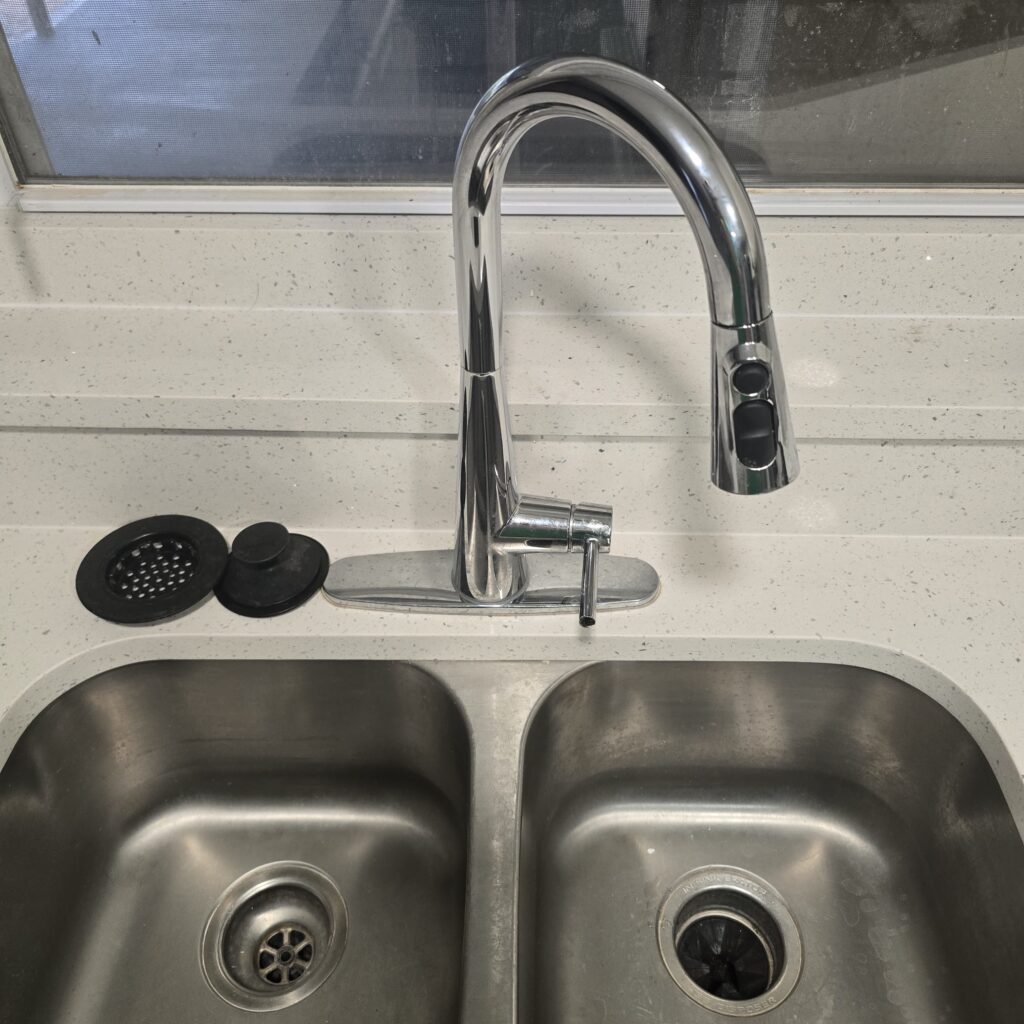
A partial clog behaves very differently from a complete blockage, and that difference explains why so many homeowners wait too long to call. Water still drains, sometimes at nearly normal speed, so nothing looks broken from the surface. What has actually happened is that the usable diameter of the pipe has narrowed, leaving a smaller channel for both water and air to share. As water squeezes past the restriction, it seals off the pipe momentarily and traps air on the far side, which then escapes back through the nearest trap. That escaping air is the gurgle you hear, and it grows louder as the opening continues to shrink. Every load of laundry, every shower, and every sink full of dishes adds a bit more material to the obstruction.
The composition of the clog usually reflects the room it serves, which helps narrow down the repair before anyone opens a wall. Bathroom sinks and tubs collect hair bound together with soap scum and toothpaste residue, forming a mat that catches everything arriving behind it. Kitchen lines gather cooled cooking grease that hardens along the pipe wall like plaque in an artery, then traps coffee grounds, rice, and starchy food particles. Laundry lines fill with lint and detergent residue, especially in homes with older cast iron or galvanized piping that has a rough interior surface. Central Texas hard water adds another layer to all of it, because mineral scale builds up on pipe walls and gives debris an ideal surface to cling to. That mineral factor is why homes here often see recurring clogs even with careful habits in the kitchen and bath.
Store bought chemical drain cleaners are the most common first response, and they are also the most common way a small problem becomes an expensive one. Caustic products generate heat as they react, which can soften PVC joints, damage older pipe walls, and destroy the rubber gaskets inside your drain assembly. They also tend to bore a narrow channel straight through a soft clog rather than removing it, so the restriction returns within weeks. Any leftover chemical then sits in the line, creating a genuine hazard for the technician who eventually has to open the pipe. Mechanical removal through cabling or hydro jetting clears the full diameter of the pipe and leaves the walls cleaner than they started. Hearing a gurgle from more than one fixture? Click here for our drain cleaning service and let a licensed technician clear the line correctly the first time.
When A Gurgling Drain Points To A Blocked Vent
Vent piping is the half of your drain system that most homeowners never think about, and it is a frequent culprit behind persistent gurgling. Those vertical pipes rise through your walls and exit the roof, giving the drain system a constant connection to outside air. When the top of that stack gets covered or crushed, the entire house loses its pressure balance, even though nothing inside the drain line is actually clogged. Fall is peak season for this problem in Cedar Park and Georgetown, where oak and elm debris collects on rooftops and washes toward vent openings during the first heavy rains. Birds, squirrels, and wasps also treat an open vent pipe as an inviting shelter as evening temperatures start to drop. A tennis ball sized nest is more than enough to choke off the airflow the system depends on.
Vent trouble produces a recognizable pattern that separates it from an ordinary clog. Fixtures throughout the house gurgle rather than just one, and the noise appears immediately when a large volume of water moves, such as a toilet flush or a bathtub draining. Drains empty slowly even after cabling, because the restriction was never in the drain line to begin with. Toilet bowl water levels rise and fall on their own, which happens as pressure swings pull and push the water seal. Occasional sewer odor drifts into bathrooms, since siphoned traps no longer hold a full seal. Any combination of those symptoms deserves attention, because the fix involves a roof and specialized equipment.
Clearing a vent stack is not a good candidate for a weekend project, and the reason has more to do with safety than skill. Reaching the vent means working at height on a pitched roof, often on composition shingles that turn slick with morning dew. The blockage frequently sits several feet down the pipe where it is invisible from the opening and requires a cable or a controlled flush of water to dislodge. Older homes sometimes have vent piping that has separated at a joint inside a wall cavity, and no amount of work at the roof will address that. Some houses in the area were also remodeled without proper venting for a relocated fixture, which produces gurgling that never fully goes away. A licensed plumber can trace the vent system, confirm the fault, and bring the layout back into compliance with code.
Common Causes Of A Gurgling Drain In Central Texas Homes
Local conditions shape plumbing problems more than most homeowners expect, and Central Texas has a specific set of them. Expansive clay soil shifts with every dry spell and every soaking rain, which puts steady stress on buried sewer lines and their joints. Mature live oaks and pecans send aggressive roots toward any source of moisture, and a sewer line with a hairline crack is exactly that. Hard water leaves mineral deposits on interior pipe walls, narrowing the passage year after year. Homes built during the 1970s and 1980s often still carry original cast iron or clay drain lines that have corroded or cracked with age. Understanding which of these factors applies to your property helps set realistic expectations for the repair.
Tree Roots And A Gurgling Drain In Fall
Root intrusion is the single most common cause of serious sewer line trouble in older Cedar Park and Austin neighborhoods. Roots do not attack healthy pipe out of aggression; they simply follow moisture and nutrients, and a leaking sewer joint releases both in abundance. A root only needs an opening the width of a hairline crack to work its way inside the pipe. Once inside, it finds constant water and grows into a dense mass that catches toilet paper and solid waste like a net. Water still gets past that mass for months, which is why the earliest symptom is gurgling rather than a full backup. Autumn intensifies the process, because trees pull hard on available groundwater after a long dry Texas summer.
The soil around Williamson and Travis County makes this worse in a way sandy regions never experience. Clay expands when saturated and contracts sharply when dry, and that cycle repeats several times a year here. Each movement flexes the sewer line slightly, working joints loose and opening new paths for roots to enter. Homes with large trees within twenty feet of the sewer path face the highest risk, though roots routinely travel much farther than that. Fall rains after a dry stretch cause some of the most dramatic soil movement of the entire year. That is precisely when many homeowners first notice a slow toilet paired with a gurgling tub.
Confirming root intrusion requires a camera inspection, because guesswork leads to repeated service calls and no permanent fix. A plumber feeds a video camera through a cleanout and records exactly where the roots enter, how far along the line they sit, and what condition the surrounding pipe is in. Cutting the roots with a mechanical blade restores flow immediately and buys real time. Lasting repair depends on sealing the entry point, which may mean a spot repair, a pipe lining, or replacement of a failed section. Skipping the camera step often means paying to cut the same roots again in eight to twelve months. Suspect a break or a leak underground? Click here for our leak detection service so the problem gets located before any digging begins.
Grease And Debris That Cause A Gurgling Kitchen Drain
Kitchen drains take more abuse than any other line in the house, and the abuse peaks between October and January. Cooking oil, bacon fat, butter, and meat drippings all pour easily while hot, which convinces most people they are harmless. A few feet down the line, that same grease cools against pipe walls chilled by the soil and turns semisolid. It coats the interior surface in layers, much like wax building inside a candle mold, and never rinses away on its own. Hot tap water and dish soap only move the problem a bit farther along before it congeals again. Within a season or two, the pipe carries a fraction of its original capacity.
The narrowed pipe is what generates the gurgle you hear at the sink. Water attempting to pass through the reduced opening momentarily seals the pipe and traps air behind it, and that air escapes back up through the trap. Homes with a garbage disposal often see faster buildup, since ground food particles bind readily to greasy walls. Starchy items such as pasta, rice, and potato peels swell with water and compound the restriction quickly. Coffee grounds behave like fine gravel and settle into every rough spot in the line. A double bowl sink that backs up on one side while the other drains normally is a classic sign of this pattern.
Better habits genuinely help, and they cost nothing to adopt. Pour cooled grease into a can or jar and throw it in the trash instead of down the drain. Wipe greasy pans with a paper towel before washing them, and run cold water while the disposal is operating so any fat stays solid enough to travel. Use a basket strainer to catch food scraps, and empty it after every meal. For a line already coated with buildup, hydro jetting scours the pipe walls back to bare surface in a way that cabling alone cannot match. Getting that done before holiday cooking season is far easier than dealing with a full kitchen backup on a Thursday night in November.
Main Sewer Line Problems That Cause A Gurgling Drain
Gurgling that shows up at several fixtures at once shifts the conversation from a branch line to the main sewer line. Every drain in your home eventually feeds into that single pipe, so a restriction there affects the entire house. The lowest fixtures react first, which is why a downstairs tub, a shower pan, or a floor drain typically gurgles before anything upstairs does. Flushing a toilet may cause water to bubble up in a nearby shower, since the wastewater has nowhere else to go. Multiple slow drains appearing in the same week point strongly in this direction. At that stage, the situation has moved past routine maintenance.
Sewer lines fail for several reasons beyond roots, and the age of your home offers a useful clue. Cast iron pipe corrodes from the inside out and develops a rough scaled interior that snags debris constantly. Clay pipe, common in properties built before the 1970s, cracks and separates at the joints as soil shifts around it. Even modern PVC can develop a belly, which is a sagging low section where solids collect because the slope no longer carries them along. Improper slope from original construction or later settling produces the same result. Each of these conditions creates a chronic problem that cabling will only relieve temporarily.
A blocked main line deserves urgency, because the consequences escalate quickly. Sewage that cannot exit the home will find the lowest opening available, which is usually a ground floor shower drain or a cleanout inside a garage. Contaminated water damages flooring, drywall, and cabinetry, and it introduces a genuine health hazard into the house. Repair costs climb sharply once the water reaches finished surfaces. A camera inspection identifies the exact location and depth of the failure, which allows for a targeted repair rather than exploratory digging across your yard. Whitestone Plumbing handles emergency sewer calls twenty four hours a day for homeowners throughout Cedar Park, Leander, Round Rock, Georgetown, Pflugerville, and Austin.
Why You Need A Licensed Plumber To Fix A Gurgling Drain
A gurgling drain sits in an awkward middle ground, because it is annoying enough to notice and mild enough to postpone. That gap between noticing and acting is where small repairs turn into major ones. Professional diagnosis pinpoints the cause instead of treating the symptom, which means the noise stops for good rather than returning next month. Licensed plumbers carry cameras, cables, hydro jetting equipment, and vent clearing tools that no homeowner keeps in the garage. They also know local code and can spot venting or slope problems that were built into the home decades ago. Calling early costs less than calling after the water arrives on the floor.
What Happens When You Ignore A Gurgling Drain
Ignoring the sound does not maintain the current condition; it allows the condition to deteriorate on its own schedule. A partial clog keeps collecting material until flow stops entirely, usually at the least convenient moment possible. Siphoned traps stop blocking sewer gas, and hydrogen sulfide begins seeping into bathrooms and kitchens. Prolonged exposure to that gas causes headaches, nausea, and irritated eyes and airways for the people living in the home. The longer the imbalance continues, the more fixtures get pulled into the problem.
Water damage represents the larger financial risk. Backed up wastewater does not respect flooring, baseboards, or cabinet bases, and it soaks into porous material within minutes. Drying and remediation frequently cost more than the plumbing repair that would have prevented the whole event. Contaminated water also demands sanitizing rather than simple cleanup, which adds time and expense. Many homeowners policies treat sewer backups as a separate rider rather than standard coverage, so the bill lands directly on the household.
There is also a quieter cost that shows up over years rather than days. Standing waste inside a compromised line accelerates corrosion and keeps the pipe wall wet where it should be dry. Root masses expand steadily and widen the crack that let them in, turning a spot repair into a section replacement. Soil around a leaking sewer line stays saturated, which affects the stability of the ground beneath slabs and walkways. Addressing the cause at the gurgling stage keeps the repair small and predictable. Planning a remodel or adding a bathroom? Click here for our piping services to make sure the new drain and vent layout is done right.

How A Plumber Diagnoses A Gurgling Drain Fast
Professional diagnosis begins with questions rather than tools, because the pattern of the noise narrows the possibilities considerably. A technician asks which fixtures gurgle, what triggers the sound, and when it started. That conversation separates a vent problem from a branch clog and a branch clog from a main line failure before any equipment comes off the truck. Age of the home, pipe material, and tree placement fill in the rest of the picture. Good diagnosis saves you money by eliminating unnecessary work.
From there, the technician locates the cleanout and runs a camera into the line to see the actual condition of the pipe. Video removes guesswork entirely and shows roots, grease layers, bellies, cracks, and offset joints in real time. Locating equipment marks the depth and position of the trouble spot on the surface above it. You get to see the footage yourself, which makes the recommended repair easy to understand. Documentation also matters if the issue involves a warranty claim or a real estate transaction.
The repair then matches the finding rather than a generic template. Cabling handles soft clogs and root masses efficiently in most branch and main lines. Hydro jetting scours grease and mineral scale from the pipe wall and restores the full interior diameter. Vent clearing resolves airflow restrictions at the roof. Section replacement or lining addresses pipe that has genuinely failed. Matching the method to the cause is what makes the gurgling stop permanently instead of temporarily.
Why Choose Whitestone Plumbing For A Gurgling Drain
Whitestone Plumbing brings over twenty years of plumbing experience to every drain call in the Cedar Park area. We are licensed, insured, locally owned, and operated, and our technicians hold backflow licensing and certification. Our office sits at 702 Dewberry Dr in Cedar Park, which means we know local soil conditions, neighborhood construction eras, and the drain problems specific to this part of Texas. That familiarity shortens diagnosis and gets your home working again sooner.
Pricing stays clear and honest from the first conversation forward. We provide free estimates, explain what we found in plain language, and give you the cost before work starts. There are no vague line items and no pressure to approve repairs you do not need. Our team is dedicated to providing five star service on every call, and we treat your home with the care we would want in our own.
Drain emergencies rarely happen during business hours, so we offer twenty four hour emergency plumbing service throughout Cedar Park, Round Rock, Leander, Georgetown, Pflugerville, Jonestown, Lago Vista, Hudson Bend, and Austin. A gurgling drain is your plumbing system asking for attention while the fix is still simple. Call us at (512) 826-6217 or email info@callwhitestone.com to schedule an inspection. We will find the cause, explain your options, and make the noise stop for good.