
How Gas Line Leaks Go Undetected For Months
A gas line leak sounds like something you would notice right away, but the truth is that many homeowners live with a slow leak for months without knowing it. Small gas leaks release fuel at a rate low enough that the smell fades into the background of everyday household odors. Natural gas rises and disperses quickly, so a minor leak outdoors or in a ventilated crawl space may never build up enough concentration to trigger your nose. Underground gas lines can leak into the soil, where the earth absorbs and filters the odorant before it ever reaches the surface. Meanwhile, your gas bill creeps up a few dollars at a time, your plants near the meter start dying, and you write it all off as normal. Slow leaks are dangerous because they corrode fittings, kill vegetation, waste money, and can eventually grow into a serious hazard. This article explains how gas line leaks hide for months, the warning signs most people miss, and what professional detection looks like. Concerned about a possible leak right now? Click here for our leak detection service.
Why Gas Line Leaks Are So Hard to Detect in Your Home
Gas companies add a chemical called mercaptan to natural gas so it smells like rotten eggs, and most people assume that smell makes every leak obvious. That assumption fails in the real world for several reasons. Human noses adapt to constant low level odors within days, a phenomenon called olfactory fatigue, so a slow leak in your utility room can become invisible to your senses. Leaks behind walls, under slabs, or in attics release gas into spaces you never enter, and by the time gas migrates to living areas the odorant has weakened. Older homes in Cedar Park, Leander, and Austin often have gas lines routed through crawl spaces where airflow carries the smell away before anyone notices. Pets, candles, cooking, and air fresheners mask faint gas odors even further. Add it all together and a small leak has every advantage when it comes to staying hidden.
Olfactory Fatigue Makes Gas Line Leaks Undetectable by Smell
Your sense of smell is designed to alert you to changes, not constants. When a gas line leak starts small and stays consistent, your brain classifies the odor as background noise within a few days and stops reporting it. This is the same reason you cannot smell your own home the way guests can. Family members who live in the house full time become the least reliable detectors of a slow leak, while visitors sometimes mention a faint sulfur smell that residents swear does not exist. Take those comments seriously every single time. Olfactory fatigue is well documented, and it is one of the top reasons gas line leaks go undetected for months rather than minutes. People with reduced smell sensitivity, including many older adults, smokers, and anyone recovering from a sinus infection, face an even higher risk. If anyone in your home cannot smell well, you should never rely on odor alone to catch a gas leak.
Mercaptan itself can also fade before it reaches your nose. This effect is called odorant fade, and it happens when gas passes through soil, new steel pipe, or certain materials that absorb the chemical. A leak in a buried gas line may release thousands of cubic feet of gas over months while the soil strips out nearly all of the odorant. The gas that finally surfaces in your yard or seeps along a foundation smells like almost nothing. Homeowners walk past the leak every day without a clue. Utility surveys with electronic detectors regularly find leaks that no resident ever smelled. This is why professional instruments matter far more than your nose when it comes to buried or concealed lines.
Location plays a huge role in how long a gas line leak stays hidden. Leaks at the meter, at outdoor grill connections, or at pool heater lines vent straight into open air where wind disperses the gas instantly. Leaks inside wall cavities travel upward through stud bays and exit through attic vents without ever entering a bedroom. Leaks under a slab can follow the path of the pipe for many feet before finding a crack to escape through. In each case the gas concentration in your living space stays below the level your nose can register. The leak keeps running, your bill keeps climbing, and the corrosion at the leak point keeps getting worse. Months can pass this way, and in some documented cases leaks have run for years before discovery.
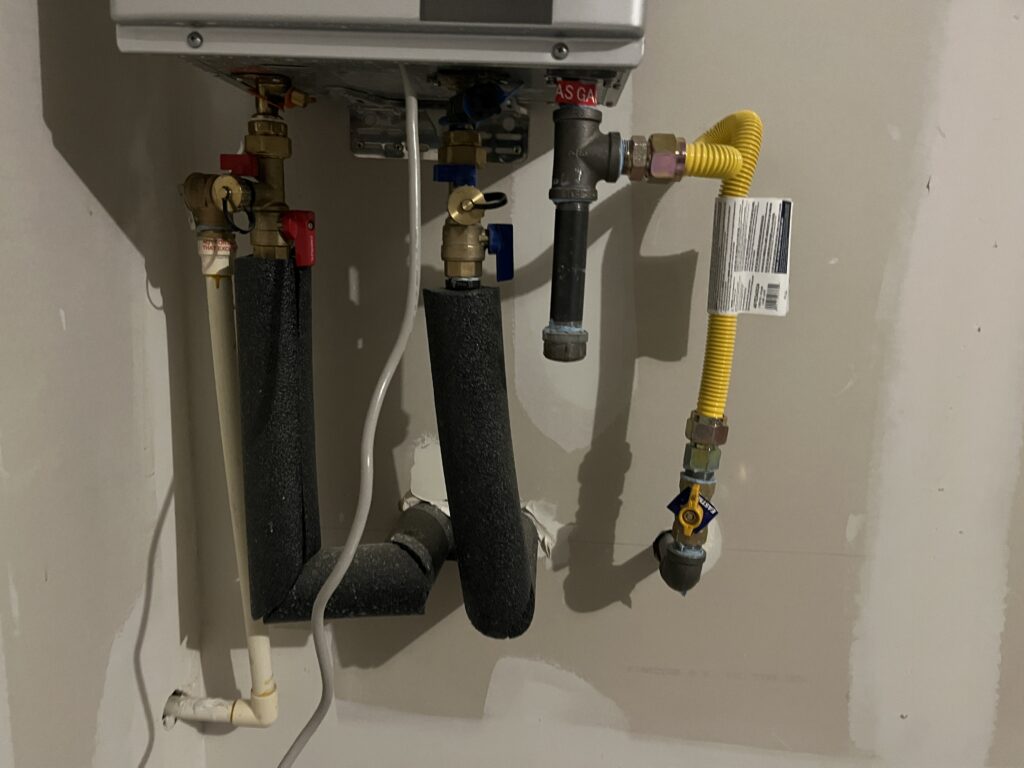
Hidden Pipe Locations Let Gas Line Leaks Run for Months
Most residential gas piping is invisible by design. Lines run under slabs, through attics, inside walls, and underground from the meter to the house. A pinhole leak in any of these locations has no direct path to your nose or your eyes. Central Texas homes built on slab foundations are especially prone to concealed leaks because a corroded line under concrete gives no visual evidence at all. The gas simply saturates the soil beneath the slab and slowly migrates outward. You might notice a patch of dead grass near the foundation or a musty odor in one closet, but nothing that screams gas leak. These subtle clues get blamed on drought, pests, or humidity. The leak continues untouched.
Attic gas lines serving furnaces and water heaters create another blind spot. Few homeowners climb into their attic more than once or twice a year, and summer heat in Texas attics keeps people out entirely from June through September. A leaking flare fitting or corroded union up there can vent gas through ridge and soffit vents for an entire season. The attic essentially becomes a chimney that carries the evidence away. Insulation can also absorb odorant and dull the smell. By the time anyone notices, the leak has often been active for months. Annual professional inspection of attic gas connections catches these problems before they escalate.
Underground service lines and yard lines to pool heaters, outdoor kitchens, and detached garages fail silently too. Steel pipe buried decades ago corrodes from the outside in, and Central Texas clay soil accelerates that corrosion by holding moisture against the pipe. Shifting clay also stresses joints and fittings every time the soil swells and shrinks between rain and drought. A leak in a buried yard line announces itself only through indirect signs like dying shrubs, bubbling puddles after rain, or hissing near the ground on a quiet night. Most homeowners never connect those dots. If your home has original steel gas piping and unexplained yard problems, get the line tested. Think your buried line may need replacement? Click here for our gas line installation service.
Small Leak Rates Keep Gas Line Leaks Below Detection Thresholds
Leak size determines everything about detectability. A large rupture releases gas fast, smells strong, and gets called in within minutes. A pinhole leak at a threaded fitting might release a tiny fraction of a cubic foot per hour. At that rate, normal air exchange in a house dilutes the gas far below the concentration where mercaptan becomes noticeable. The leak is real, it is wasting fuel, and it is slowly enlarging as gas erodes the corroded metal around it, yet it produces no symptoms a person can perceive. This is the classic profile of a leak that survives for months. Pressure drop tests and electronic combustible gas detectors find these leaks easily, but nothing else will.
Slow leaks also grow slowly, which keeps them under the radar even longer. Corrosion at a leak point advances gradually, so a leak that starts undetectable this spring may still be undetectable by fall, just slightly larger. Your gas usage rises so incrementally that seasonal billing changes hide it completely. A ten dollar monthly increase gets attributed to water heater use or a cold snap. Many homeowners only discover the truth when they compare year over year usage on their utility statements and see consumption climbing while habits stayed the same. Reviewing twelve months of gas bills is one of the simplest free leak checks available. Unexplained upward drift deserves professional investigation.
Appliance connections deserve special mention because they leak small and leak often. Flexible connectors behind ranges and dryers, shutoff valves, and unions all rely on seals and threads that degrade over time. Moving an appliance to clean behind it can twist a connector just enough to start a slow leak. Since these fittings sit in low traffic spots behind heavy appliances, the leak stays undisturbed and unnoticed. A soap bubble test on accessible fittings takes minutes and catches many of these leaks, yet almost nobody performs one. During professional plumbing visits, technicians can sweep every accessible connection with an electronic detector. That single step has ended countless months long leaks that homeowners never suspected.
Warning Signs of a Gas Line Leak Homeowners Often Miss
The signs of a slow gas line leak rarely look like a gas problem. They look like a lawn problem, a health problem, or a billing problem, and that misdirection is exactly why leaks persist. Dead vegetation over a buried line, hissing sounds near fittings, dirt or dust blowing from a spot on the ground, and bubbles in standing water are all classic outdoor indicators. Indoors, watch for a rotten egg smell that comes and goes, headaches or fatigue that improve when you leave the house, and pilot lights that burn orange instead of blue. Rising gas bills without changed usage round out the list. Any one of these signs on its own is easy to dismiss. Two or more together should send you straight to the phone. Learning these signals is the single best defense against a leak that has already fooled your nose.
Dead Grass and Plants Signal a Gas Line Leak Outdoors
Natural gas displaces oxygen in soil, and plant roots suffocate without it. A buried gas line leak creates a distinctive strip or patch of dead or yellowing vegetation directly above the pipe while surrounding grass stays healthy. In Central Texas, homeowners often blame summer heat or irrigation problems, and in July that assumption feels reasonable. The tell is the pattern. Drought stress affects a lawn broadly and unevenly, while a gas leak kills a defined zone that traces the pipe route. Shrubs and trees near a leaking line show branch dieback on the side facing the pipe. If a patch of lawn refuses to recover no matter how much you water it, stop watering and start investigating.
Walk your property and learn where your gas lines run. The service line typically travels from the meter to the house in a straight path, and yard lines branch to pool heaters, fire pits, and outdoor kitchens. Once you know the routes, seasonal checks take five minutes. Look for dead vegetation, sunken soil, or unusually dry crusty dirt along those paths. After a rain, check for bubbles rising through puddles above the line, which indicate gas escaping through saturated soil. A faint hissing sound near the ground on a still evening is another giveaway. These outdoor signs often appear months before any smell reaches your living space.
Soil conditions in the Austin, Cedar Park, and Georgetown area make outdoor leaks more likely and more hidden at the same time. Expansive clay swells with rain and contracts hard during summer drought, pulling and pushing on buried pipe with every cycle. This movement fatigues old steel lines and their fittings, opening slow leaks at joints. The same clay then absorbs odorant so effectively that the surfacing gas smells like nothing. That combination is why so many area leaks are found by dying plants rather than by smell. Take vegetation clues seriously and have suspicious areas tested with proper instruments. A professional can pinpoint an underground leak without digging up your entire yard.
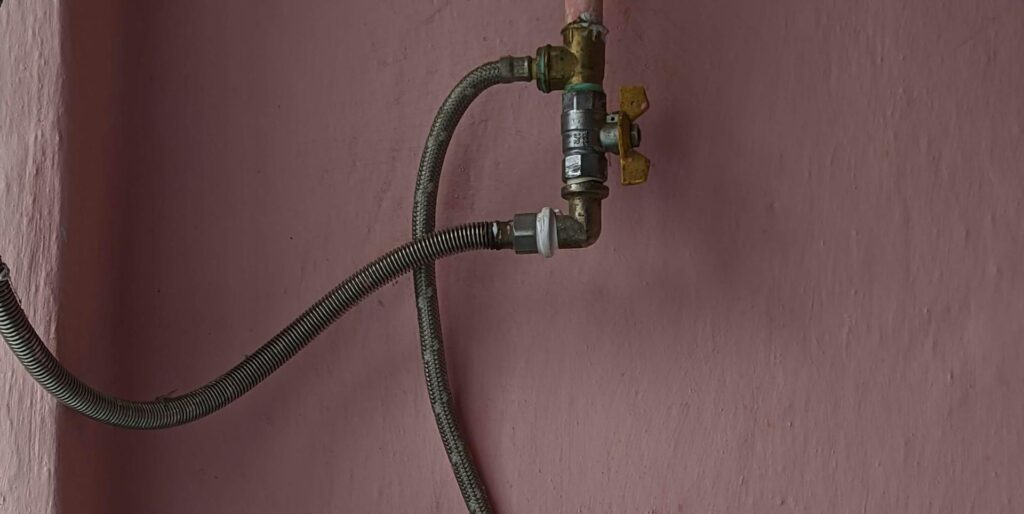
Rising Gas Bills Point to a Gas Line Leak You Cannot Smell
Every cubic foot of gas that escapes a leak still passes through your meter, and you pay for all of it. A slow leak adds a steady surcharge to every bill, twelve months a year. The increase hides inside normal seasonal swings, which is why comparing this July to last July matters more than comparing July to June. Pull up a year of statements from your utility account and look at usage in units, not dollars, since rate changes distort dollar comparisons. Flat habits with rising consumption is the fingerprint of a leak. Summer is actually the best season for this check in Texas because gas usage drops to baseline; only your water heater, range, and dryer draw fuel. A leak stands out sharply against that low baseline.
You can go one step further with a simple meter test. Turn off every gas appliance in the house, including pilot lights if you can safely relight them, and watch your gas meter dials for several minutes. Any movement with everything off means gas is flowing somewhere it should not be. This test costs nothing and detects leaks your nose never will. Take a photo of the meter, wait thirty minutes, and photograph it again if the dials move too slowly to watch. Document what you find before calling a professional. That information helps a plumber isolate the leak faster and saves you diagnostic time.
Remember that a leak wastes money in more ways than fuel. Escaping gas corrodes the metal around the leak point, so a cheap early repair becomes an expensive pipe replacement if you wait. Gas saturated soil damages landscaping that costs hundreds to replace. In the worst case, a slow leak that finds an ignition source becomes a fire or explosion risk that no amount of savings justifies. The math always favors early detection. If your bills have drifted upward without explanation, a pressure test on your system will settle the question in one visit. Need a gas leak found and fixed? Click here for our gas line repair service.
Physical Symptoms Reveal a Gas Line Leak Inside the House
Low level gas exposure produces symptoms that mimic everyday complaints, which is why families endure them for months. Natural gas leaks can displace oxygen in enclosed spaces and cause headaches, dizziness, fatigue, and nausea. Incomplete combustion at appliances connected to a compromised line can also produce carbon monoxide, which causes similar symptoms and is completely odorless. The pattern to watch is location dependence. Symptoms that appear at home and fade at work, or affect the person who spends the most hours in the house, point toward an indoor air problem. Pets show it too; animals that seem lethargic indoors but energetic outside are giving you data. Doctors rarely ask where symptoms occur, so families chase medical explanations while the real cause hisses quietly behind a wall.
Appliance behavior offers another indoor clue set. A healthy natural gas flame burns steady blue. Orange or yellow flames, flames that flutter, or soot accumulating around burners indicate combustion problems that often trace back to gas supply issues. Pilot lights that repeatedly go out can signal pressure irregularities from a leak in the line. Listen near your water heater, furnace, and range for faint hissing when the appliances are off. Condensation appearing on windows more than usual can also accompany combustion problems. None of these signs is definitive alone, but each one is a thread worth pulling.
Every gas home needs working detectors, full stop. Install carbon monoxide detectors on every level and near sleeping areas, and consider combination units that also detect combustible gas near your gas appliances. These devices catch what your fatigued nose cannot, and they work around the clock. Test them monthly and replace them per manufacturer guidelines, typically every five to seven years. If any detector alarms, or you ever smell strong gas, leave the house immediately without flipping switches or using phones indoors, then call 911 and your gas utility from a safe distance. Detectors and evacuation plans handle emergencies. Professional inspections prevent them from happening in the first place.
Why You Need Professional Gas Line Leak Detection
Gas line work is not a DIY category. Finding a slow leak requires calibrated electronic detectors, manometers for pressure testing, and the licensed expertise to isolate sections of pipe safely. Repairing one requires proper materials, correct joint sealing, and code compliant pressure verification before the line returns to service. Texas law restricts gas line work to licensed professionals for good reason. A professional leak detection visit answers the question definitively in an hour or two, ends months of hidden waste, and removes a genuine safety hazard from your home. If anything in this article sounded familiar, schedule an inspection this week rather than this year.
Professional Gas Line Leak Detection Finds What You Cannot
Licensed plumbers carry combustible gas detectors sensitive to concentrations far below what any human nose registers. These instruments trace gas along walls, at fittings, and across soil to pinpoint a leak source within inches. A pressure drop test provides the definitive verdict on the whole system. The technician isolates the gas piping, pressurizes it, and watches a gauge; any pressure loss proves a leak exists somewhere in the system. This combination of tools finds pinhole leaks that have hidden for months. No amount of sniffing or soap bubbles matches that certainty.
Professional detection also maps the problem before anyone starts cutting or digging. Underground leaks can be located from the surface using probe readings at intervals along the pipe route. That precision means a repair excavation of a few square feet instead of a trench across your whole yard. Indoor leaks get isolated to a specific fitting or pipe section, so wall access stays minimal. Accurate location saves real money on the repair. It also confirms there is only one leak, since old systems sometimes hide two or three.
The inspection itself often reveals problems beyond the immediate leak. A technician evaluating your system will note corroded sections, outdated materials, improper past repairs, and missing shutoff valves. That assessment tells you the true condition of your gas infrastructure and what to budget for. Catching a failing line early lets you plan a repipe on your schedule instead of during an emergency. Knowledge is the cheapest thing a professional visit delivers, and it may be the most valuable.
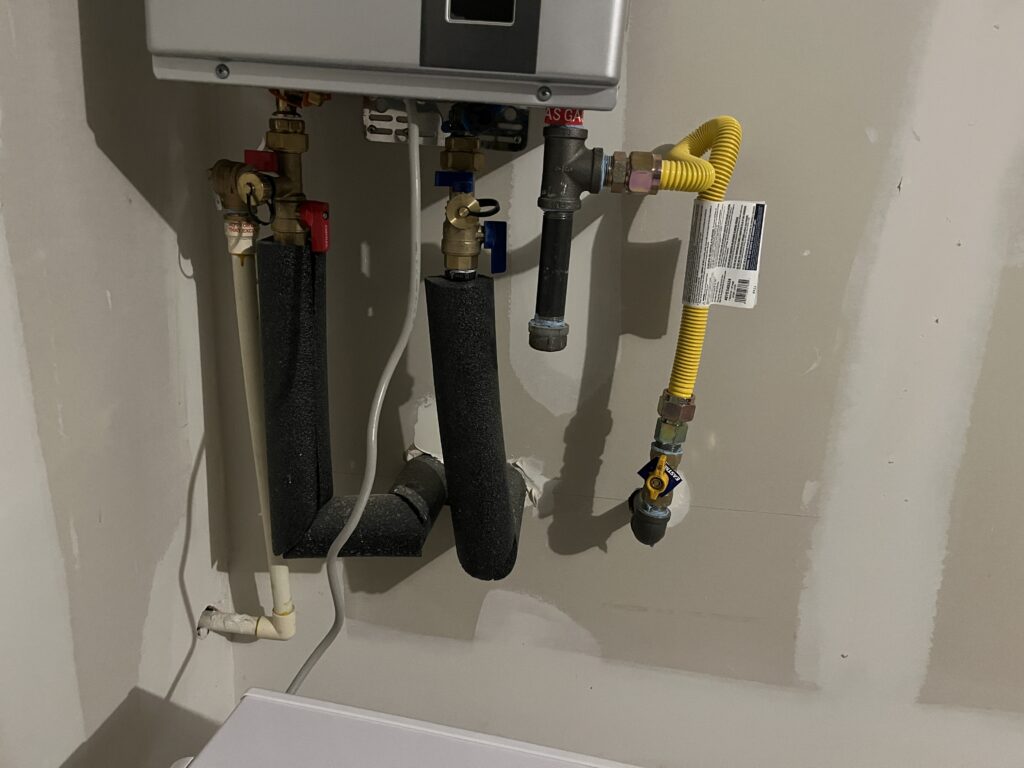
Fast Gas Line Repair Stops Months of Waste and Risk
Once a leak is located, repair is usually straightforward for a licensed plumber. Threaded joints get resealed or replaced, corroded sections get cut out and repiped, and flexible connectors get swapped for new ones. Underground repairs may involve replacing a compromised section or, for badly corroded lines, trenchless replacement of the entire run. Every repair ends with a fresh pressure test to prove the system is tight. You get documentation that the line holds pressure to code. That certainty is worth every penny after months of quiet leaking.
Timely repair stops three costs at once. The fuel waste on your bill ends immediately. The corrosion process at the leak point stops before it forces a larger replacement. The safety risk of gas accumulating near an ignition source disappears. Delaying repair lets all three costs keep compounding. A leak never fixes itself, and it never gets smaller. The best repair is always the one done this month instead of next.
Repair visits are also the right moment to upgrade weak points in the system. Adding accessible shutoff valves at each appliance makes future maintenance safer and easier. Replacing aging flexible connectors preemptively costs little during an existing service call. Upgrading old steel yard lines to modern approved materials ends the corrosion cycle in our clay soil. Ask your plumber what preventive improvements make sense while the system is already open. Small upgrades now prevent the next hidden leak.
Why Choose Whitestone Plumbing for Gas Line Leak Detection
Whitestone Plumbing is a locally owned and operated plumbing company based in Cedar Park, and we know exactly how Central Texas soil, climate, and housing stock create hidden gas leaks. Our licensed and insured technicians bring over 20 years of plumbing experience to every gas line job. We serve Cedar Park, Leander, Round Rock, Austin, Georgetown, Pflugerville, Jonestown, Lago Vista, and Hudson Bend. When you call us about a suspected leak, you get a professional who has found and fixed hundreds of them in neighborhoods just like yours. Local experience matters when the clues are as subtle as a dead patch of grass.
We offer free estimates with clear, honest pricing on every job. You will know the cost before work begins, with no surprises on the invoice. Our team includes a backflow licensed and certified technician, and we hold ourselves to code compliant standards on every gas line repair and installation. We are dedicated to always providing 5 star service, and our reputation across the Austin area reflects that commitment. Honest pricing and licensed work are non negotiable when the job involves natural gas.
Gas leaks do not wait for business hours, and neither do we. Whitestone Plumbing offers 24/7 emergency plumbing service for gas leaks, burst pipes, and every other urgent situation. If you smell gas, evacuate first and call your utility, then call us at (512) 826-6217 for repair. For non emergency concerns like rising bills or dying vegetation, schedule an inspection at your convenience by phone or at info@callwhitestone.com. A slow leak has already hidden long enough. Let us find it, fix it, and give you back a safe home.