
Why A Plumbing Inspection Is Smart Before Buying A Home
Buying a home is one of the biggest financial decisions you will ever make. A standard home inspection only scratches the surface of what is happening inside the walls, under the slab, and out in the yard. Plumbing problems hide well; they can lurk for years before showing visible signs. A dedicated plumbing inspection before buying a home gives you a clear picture of the pipes, fixtures, water heater, and sewer line before you sign anything. In Central Texas, summer heat causes soil to shift and contract, which puts real stress on slabs and underground pipes. That makes a plumbing inspection especially valuable for buyers shopping in Cedar Park, Leander, Round Rock, and Austin right now. Repair costs for hidden plumbing damage can run into the tens of thousands of dollars. Spending a little on an inspection today protects you from spending a fortune after closing.
What a Plumbing Inspection Covers Before Buying a Home
A professional plumbing inspection before buying a home is far more thorough than the quick visual check a general home inspector performs. A licensed plumber evaluates the entire water supply system, the drain and waste lines, the water heater, and every fixture in the house. The inspection also looks at water pressure, pipe materials, and signs of past repairs that may hint at recurring problems. Sewer lines get special attention because they are expensive to replace and impossible to see without the right equipment. Gas lines are checked for leaks and code compliance when the home has gas appliances. The plumber documents everything in a report you can use during negotiations. That report often becomes your strongest bargaining tool. Knowing exactly what you are buying puts the power back in your hands.
The Water Supply and Pipe Inspection Before Buying a Home
The water supply inspection starts at the main shutoff valve and follows the water through the entire house. A licensed plumber tests static water pressure with a gauge to confirm it falls within the safe range of 40 to 80 psi. Pressure above 80 psi violates plumbing code and slowly destroys fixtures, supply lines, and water heater components. The plumber also identifies the pipe material used throughout the home, which matters more than most buyers realize. Copper, PEX, and CPVC are common and generally reliable when installed correctly. Galvanized steel pipes corrode from the inside out and are a red flag in older homes around Austin and Georgetown. Polybutylene piping, used from the late 1970s through the mid 1990s, is known for sudden failures and is often uninsurable. Identifying these materials before purchase can save you from an unexpected whole home repipe.
Visible supply lines under sinks, behind toilets, and at the water heater get a close look during this stage. Corrosion, mineral crust, and green or white staining on fittings all point to slow leaks that have been active for a while. The plumber checks shutoff valves at every fixture to confirm they actually turn and hold. Frozen or seized valves are common in homes that have been neglected, and they turn small future repairs into big ones. Flexible supply lines are inspected for bulging, kinks, and age, since burst washing machine hoses are one of the leading causes of home water damage. Hose bibs outside the home are tested for leaks and proper backflow protection. Each of these small items tells a story about how well the previous owner maintained the home. A pattern of neglect in visible areas usually means bigger problems in hidden ones.
Hidden supply leaks are where a professional inspection truly earns its cost before buying a home. A plumber can perform a meter test by shutting off all fixtures and watching the water meter for movement. Movement on the meter with everything off means water is escaping somewhere in the system. Slab leaks are a serious concern in Central Texas because our expansive clay soil swells and shrinks with the seasons, stressing pipes buried under the foundation. Warm spots on floors, unexplained moisture, and high water bills from the seller’s records all provide clues. Advanced tools like acoustic listening equipment and thermal imaging can pinpoint leaks without tearing anything open. Catching a slab leak before closing can change the entire deal. Worried a home you love might have hidden leaks? Click here for our professional leak detection service.
The Drain and Sewer Line Inspection Before Buying a Home
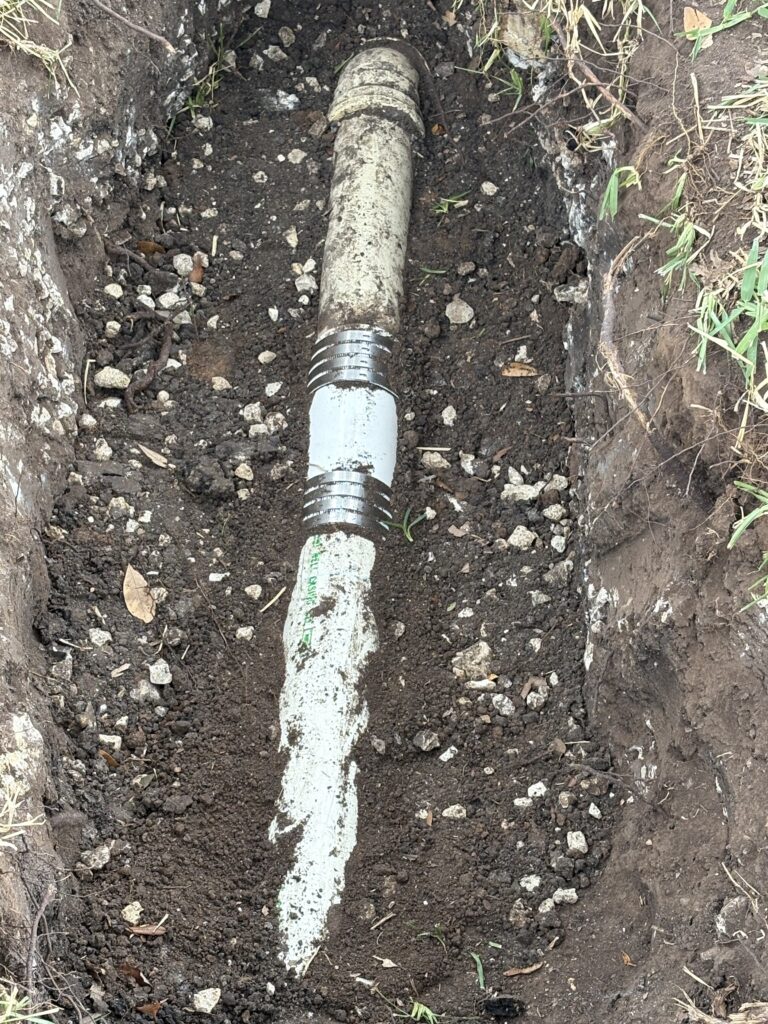
The drain and sewer inspection is arguably the most important part of a plumbing inspection before buying a home. Sewer line replacement can cost anywhere from several thousand dollars to well over twenty thousand depending on depth, length, and landscaping. A general home inspector will run water down the drains for a minute or two and call it good. That test tells you almost nothing about the condition of the buried line between the house and the city main. A licensed plumber runs a camera through the sewer line to see exactly what is happening underground. The camera reveals cracks, offsets, root intrusion, sags, and pipe material in real time. Buyers in older neighborhoods of Austin and Round Rock especially benefit from this step. Many homes in those areas still have original clay or cast iron sewer lines nearing the end of their service life.
Tree roots are the most common enemy of sewer lines in Central Texas neighborhoods. Roots seek moisture, and even a hairline crack in a sewer pipe releases enough vapor to attract them. Once inside, roots grow into thick mats that catch waste and cause repeated backups. A camera inspection shows the exact location and severity of root intrusion so you know if the line needs cleaning, spot repair, or full replacement. Cast iron pipes present a different problem; they corrode and scale from the inside, narrowing the channel until backups become routine. Clay pipes crack and shift at their joints as soil moves during our hot, dry summers. Each material fails in its own predictable way, and an experienced plumber knows what to look for. Seeing the footage yourself removes all guesswork from your buying decision.
Inside the home, every drain gets tested for speed and proper venting during the inspection. Slow drains in multiple fixtures often point to a partial blockage in the main line rather than a simple clogged trap. Gurgling sounds from a toilet when a nearby sink drains indicate venting problems that let sewer gas into the home. The plumber checks under every sink for leaks at the trap and drain connections. Water stains, warped cabinet floors, and musty odors reveal leaks the seller may have covered up before listing. Bathtubs and showers are filled and drained to test both the drain and the overflow. Washing machine drains and floor drains are evaluated as well. A complete drain inspection before buying a home leaves nothing to chance.
The Water Heater Inspection Before Buying a Home
The water heater deserves its own dedicated evaluation during a plumbing inspection before buying a home. A typical tank water heater lasts 8 to 12 years, and replacement with installation often costs well over a thousand dollars. The plumber checks the manufacture date on the data plate to determine the unit’s true age. Sellers rarely disclose that a water heater is on borrowed time, and many do not even know. The inspector looks for rust on the tank, corrosion at the fittings, and moisture in the drain pan. Sediment buildup is common in Central Texas because our water is hard, and a rumbling or popping tank is a clear symptom. The temperature and pressure relief valve is tested because a failed one creates a genuine safety hazard. Skipping this step can leave you buying a home with a ticking clock in the garage.
Code compliance is another key part of the water heater inspection that buyers often overlook. Texas plumbing code requires proper venting for gas units, seismic strapping in some situations, a drain pan with a routed drain line in attic and interior installations, and correct clearances. Many homes have water heaters that were replaced by handymen or previous owners without permits. Those installations frequently miss critical safety details like proper gas connections and combustion air. An expansion tank is required on closed plumbing systems, and many homes in Cedar Park and Leander lack one entirely. Missing expansion tanks cause pressure spikes that shorten the life of the entire plumbing system. A licensed plumber spots these violations immediately. Correcting them can be negotiated into your purchase agreement before you ever take possession.
Performance testing rounds out the water heater portion of the inspection. The plumber measures the outgoing hot water temperature to confirm the thermostat works and is set safely near 120 degrees. Recovery time is evaluated, which tells you if the unit can keep up with your family’s demand. Tankless units get their own checklist covering descaling history, gas supply sizing, venting, and error codes. Discolored hot water points to a corroding tank or a spent anode rod, both signs the unit is failing from the inside. The plumber also inspects the shutoff valve and the flexible connectors for corrosion and leaks. All findings go into your report with photos and honest recommendations. Want a licensed professional to evaluate the water heater in a home you are considering? Click here for our water heater inspection service.
Plumbing Problems a Home Inspection Can Miss Before You Buy
A general home inspection is valuable, but it is not designed to catch every plumbing problem before you buy. Home inspectors are generalists who evaluate hundreds of components across the entire property in a few hours. They are not licensed plumbers, and their standards of practice specifically exclude many plumbing tests. Most home inspectors do not run sewer cameras, perform pressure tests, or open cleanouts. They cannot see inside walls, under slabs, or below the yard. Sellers also know how to stage a home so that plumbing issues stay out of sight during a short walkthrough. Fresh paint over water stains and recently cleaned drains hide months of history. Understanding these blind spots explains exactly why a separate plumbing inspection is smart before buying a home.
Hidden Leaks a Standard Home Inspection Can Miss Before You Buy
Hidden leaks top the list of plumbing problems a standard home inspection can miss before you buy. A leak inside a wall cavity may show no visible evidence for months while it feeds mold growth and rots framing. Slab leaks are even harder to spot because the concrete foundation hides everything. Central Texas homes built on slab foundations are especially vulnerable as clay soil expands during wet periods and contracts hard during summer drought. That constant movement flexes copper lines under the slab until they wear through and fail. A general inspector walking through the home has no way to detect this. A plumber with acoustic equipment, thermal cameras, and pressure testing gear absolutely does. The difference between those two inspections can be the difference between a sound investment and a money pit.
Water damage from hidden leaks compounds quickly once you own the home. Mold remediation alone often costs thousands, and insurance companies frequently deny claims for leaks that existed before your policy started. Slab leak repairs may require jackhammering through flooring and concrete or rerouting lines through walls and attics. Wood flooring, cabinets, and drywall damaged by slow leaks add even more to the bill. Sellers are required to disclose known defects in Texas, but they cannot disclose what they never discovered. Many hidden leaks genuinely surprise both parties at closing time. The buyer, however, is the one left holding the repair bill. An inspection shifts that risk back where it belongs, onto the negotiating table.
The financial case for finding leaks before you buy is straightforward. A professional leak detection service costs a tiny fraction of a single slab leak repair. If the inspection finds nothing, you gain peace of mind and confidence in your purchase. If it finds a problem, you can request repairs, negotiate a price reduction, or walk away with your earnest money intact under your option period. Texas real estate contracts include an option period for exactly this reason. Smart buyers use every day of it to investigate the property fully. Lenders and insurance companies protect their interests with appraisals and surveys; you should protect yours with a plumbing inspection. Knowledge before closing always beats surprises after it.

Aging Pipe Materials a Home Inspection Can Overlook Before You Buy
Aging pipe materials are another major issue a home inspection can overlook before you buy. Home inspectors typically identify pipe material only where it is visible, such as under sinks or at the water heater. Homes are often repiped in stages, so the PEX you see under the kitchen sink may connect to galvanized steel inside the walls. Galvanized pipe was standard in homes built before the 1960s and corrodes internally for decades. The corrosion restricts flow, discolors water, and eventually causes pinhole leaks throughout the system. Cast iron drain lines from the same era rust and flake from the inside until sections collapse. Quest polybutylene supply lines from the 1980s and early 1990s fail without warning at fittings. Only a plumber who knows where to look can map the true mix of materials in a home.
The insurance implications of old piping surprise many buyers after closing. Some Texas insurers refuse to write policies on homes with polybutylene plumbing, and others exclude water damage coverage entirely. Galvanized and aging cast iron systems can trigger higher premiums or coverage limitations. Buyers who discover this after closing face a painful choice between expensive repiping and inadequate coverage. Discovering it before closing turns the same information into leverage. You can request that the seller repipe, credit you the cost, or reduce the price accordingly. Lenders may even require certain plumbing repairs before funding the loan. A plumbing inspection report gives you documented proof to support every one of these requests.
Repiping a home is a significant project, but knowing about it in advance changes everything. A whole home repipe with PEX or copper typically takes a few days and involves drywall access at multiple points. Costs vary with home size, pipe material, and layout, so an accurate quote requires a professional evaluation. When you know the number before closing, you can build it into your offer and your budget. Many buyers successfully negotiate thousands off the purchase price using a plumbing inspection report. Others have sellers complete the repipe before closing with permits and warranty in hand. Either outcome beats discovering failing pipes six months after moving in. Thinking about a home with aging pipes? Click here for our professional repiping service.
Gas Line and Fixture Problems a Home Inspection May Not Catch Before You Buy
Gas line problems are among the most serious issues a home inspection may not catch before you buy. General inspectors perform limited visual checks on gas systems and rarely test for leaks with proper equipment. A licensed plumber uses gas detection instruments and can perform pressure testing on the system. Small gas leaks at aging fittings, corroded lines, and improperly installed connections create real safety hazards. Flexible gas connectors made before certain safety standards are known failure points and should be replaced on sight. Buried gas lines to pool heaters, outdoor kitchens, and detached garages often lack proper depth or protective coating. Homes in Georgetown, Pflugerville, and Round Rock with older gas systems deserve careful scrutiny. Gas safety is one area where you never want to rely on a quick visual glance.
Fixture and appliance connections hide their own set of problems from a general inspection. Toilets that rock slightly on the floor usually have a compromised wax seal leaking sewage into the subfloor. That damage stays invisible until the flooring around the toilet softens and stains appear on the ceiling below. Garbage disposals may run during a test but leak from cracked housings only under sustained use. Angle stops behind toilets and sinks corrode in place and fail when someone finally tries to turn them. Shower valves with worn cartridges cause temperature swings and slow leaks inside the wall. Dishwasher and ice maker lines, often cheap plastic tubing, split and flood kitchens without warning. Each fixture is a small item, but together they add up to real money.
A plumbing inspection catalogs every one of these fixture issues in a single documented report. The plumber tests each fixture under real operating conditions rather than a quick on and off. Water is run long enough to reveal slow drains, temperature problems, and leaks that only appear under sustained flow. Toilets are checked for proper flush performance, fill valve condition, and stability at the flange. Outdoor fixtures, irrigation backflow preventers, and hose bibs receive the same attention. Backflow devices are a particular specialty; an improperly functioning one can let contaminated water siphon into your drinking supply. Whitestone Plumbing has a backflow licensed and certified technician on staff for exactly this reason. Comprehensive testing means your report reflects the true condition of every water using component in the home.
Why You Need a Professional Plumbing Inspection Before Closing on a Home
You need a professional plumbing inspection before closing on a home because the option period is your only real window to uncover the truth. Once you close, every hidden plumbing problem becomes your problem and your expense. Texas contracts give buyers a short period to inspect and negotiate, and smart buyers fill that window with expert evaluations. A licensed plumber provides documentation that carries weight with sellers, agents, and lenders. The cost of the inspection is minor compared to the repairs it can help you avoid or negotiate. Protecting a six figure investment with a professional inspection is simply smart home buying.
Schedule a Plumbing Inspection Before Closing to Protect Your Investment
Scheduling a plumbing inspection before closing protects the largest investment most people ever make. Your down payment, closing costs, and moving expenses already stretch your budget to its limit. A surprise slab leak or sewer replacement in the first year can be financially devastating. An inspection identifies these risks while you still have the power to address them. The report becomes a factual foundation for every negotiation that follows. Buyers who inspect thoroughly consistently make better deals than buyers who rush.
Timing matters, so book your plumbing inspection early in the option period. Early scheduling leaves room for follow up evaluations if the plumber finds something that needs a closer look. A camera inspection might reveal root intrusion that warrants a repair quote, and quotes take time to prepare. Your agent needs the completed report in hand before the option period expires to negotiate effectively. Waiting until the last minute forfeits your leverage and forces rushed decisions. Call as soon as your contract is executed and get on the schedule.
The inspection also gives you a maintenance roadmap for your new home. Even a house that passes with flying colors has components at different stages of life. Your report tells you the water heater has three good years left, the drains could use cleaning, and the pressure regulator is aging. That knowledge lets you budget for future repairs instead of being blindsided by them. You move in understanding your plumbing system better than the previous owner ever did. That understanding pays dividends for as long as you own the home.

Use Your Plumbing Inspection Before Closing to Negotiate With Confidence
A plumbing inspection before closing transforms negotiation from guesswork into a fact based conversation. Sellers can dismiss vague concerns, but they cannot dismiss camera footage of a cracked sewer line. Documented findings from a licensed plumber carry professional credibility that a buyer’s hunch never will. Your agent can attach the report to a repair amendment with specific, itemized requests. Sellers facing documented defects know the same problems will surface with the next buyer too. That reality motivates them to make a deal with you now.
Repair credits and price reductions are the most common outcomes of inspection negotiations. A seller might credit you the cost of a water heater replacement rather than manage the project themselves. Price reductions put the repair money directly into your pocket at closing. Some buyers request that licensed professionals complete repairs before closing with receipts and warranties provided. Each approach has advantages, and your report gives you the facts to choose wisely. Without an inspection, you have nothing to negotiate with at all.
Walking away is sometimes the smartest outcome an inspection can deliver. A home with a failing sewer line, polybutylene pipes, and an active slab leak may cost more to fix than it is worth. The option period exists so buyers can exit bad deals with their earnest money intact. Losing a house you liked stings far less than owning a house that drains your savings. An honest inspection report gives you the clarity to make that call without regret. Protecting yourself from a bad purchase is the inspection doing exactly its job.
Why Choose Whitestone Plumbing for Your Plumbing Inspection Before Buying a Home
Whitestone Plumbing brings over 20 years of plumbing experience to every inspection before buying a home. We are a locally owned and operated plumbing company based right here in Cedar Park at 702 Dewberry Dr. Our team knows Central Texas homes, soils, and plumbing systems because we work on them every single day. We serve buyers throughout Cedar Park, Leander, Round Rock, Georgetown, Pflugerville, Austin, Jonestown, Lago Vista, and Hudson Bend. Our technicians are licensed and insured, and we have a backflow licensed and certified technician on staff. Local knowledge and real credentials make a real difference in inspection quality.
Honesty is the foundation of everything we do at Whitestone Plumbing. We provide free estimates with clear, honest pricing, so you always know the cost before any work begins. Our inspection reports are straightforward and factual; we tell you what we found, what it means, and what it costs to fix. We never inflate findings to sell repairs, and we never gloss over problems to keep a deal moving. Your interests come first because our reputation depends on it. That commitment is why we are dedicated to always providing a 5 star service.
We also make the inspection process fast and convenient for buyers on a deadline. Option periods are short, and we prioritize scheduling so your report arrives with time to spare. If your inspection reveals urgent issues, our 24/7 emergency plumbing team is ready to respond at any hour. From leak detection to sewer cameras to water heater evaluations, we handle everything under one roof. Call Whitestone Plumbing today at (512) 826-6217 or email info@callwhitestone.com to schedule your plumbing inspection. Buy your next home with confidence and let us handle the pipes.