
What To Do When Your Garbage Disposal Jams
Summer cookouts in Central Texas mean more food scraps going down the drain than any other time of year. Watermelon rinds, corn husks, and barbecue leftovers put serious strain on your garbage disposal. When the unit hums but will not spin, you have a jam. A jammed garbage disposal is one of the most common kitchen plumbing problems homeowners face in July. The good news is that many jams can be cleared safely if you follow the right steps. The bad news is that forcing the issue can burn out the motor or injure your hand. This guide walks you through what to do when your garbage disposal jams and when to call a professional. Whitestone Plumbing has helped homeowners across Cedar Park, Leander, and Austin fix jammed disposals for over 20 years.
How to Fix a Jammed Garbage Disposal Safely
Fixing a jammed garbage disposal starts with safety, not speed. A humming disposal means the motor is receiving power but the grinding plate cannot turn. Leaving it in that state will trip the thermal overload or burn out the motor entirely. Never reach into a disposal that is connected to power. The correct process involves cutting power, freeing the flywheel, and removing the obstruction. Each step matters, and skipping one can turn a five minute fix into a costly repair. Need help right now? Click here for our garbage disposal repair service.
Cut the Power Before You Fix a Jammed Garbage Disposal
The first step to fix a jammed garbage disposal is to remove all power from the unit. Flip the wall switch to the off position and confirm the disposal does not respond. That alone is not enough, because switches fail and wiring can be mislabeled. Go to your electrical panel and shut off the breaker that controls the disposal circuit. Some disposals plug into an outlet under the sink, and unplugging that cord gives you a visible disconnect you can trust. Test the switch one more time after cutting power to confirm the unit is dead. This step protects your fingers from blades that could spin the moment the jam releases. No plumbing repair is worth a trip to the emergency room.
Once the power is off, take a moment to inspect the sink area before touching anything. Clear dishes, sponges, and standing debris away from the drain opening. If the sink is full of water, bail it out with a cup so you can see into the disposal chamber. Grab a flashlight and look down into the unit from above. You are searching for the object that stopped the grinding plate from turning. Common culprits include bones, fruit pits, utensils, and bottle caps. Never assume the chamber is empty just because you cannot see anything at first glance. Objects often wedge sideways under the impellers where light does not reach.
Homeowners in Round Rock and Georgetown often skip the power step because the fix seems quick. That shortcut causes thousands of hand injuries across the country every year. Disposals store tension when jammed, and the plate can snap into motion without warning. Even a disposal that seems completely dead can surprise you if the thermal overload resets itself. Treat every disposal like it is live until you have confirmed otherwise at the breaker. Teach everyone in your household the same rule, especially teenagers who help with dishes. Safety habits around kitchen appliances prevent injuries that no repair can undo. When in doubt, stop and call a licensed plumber instead.
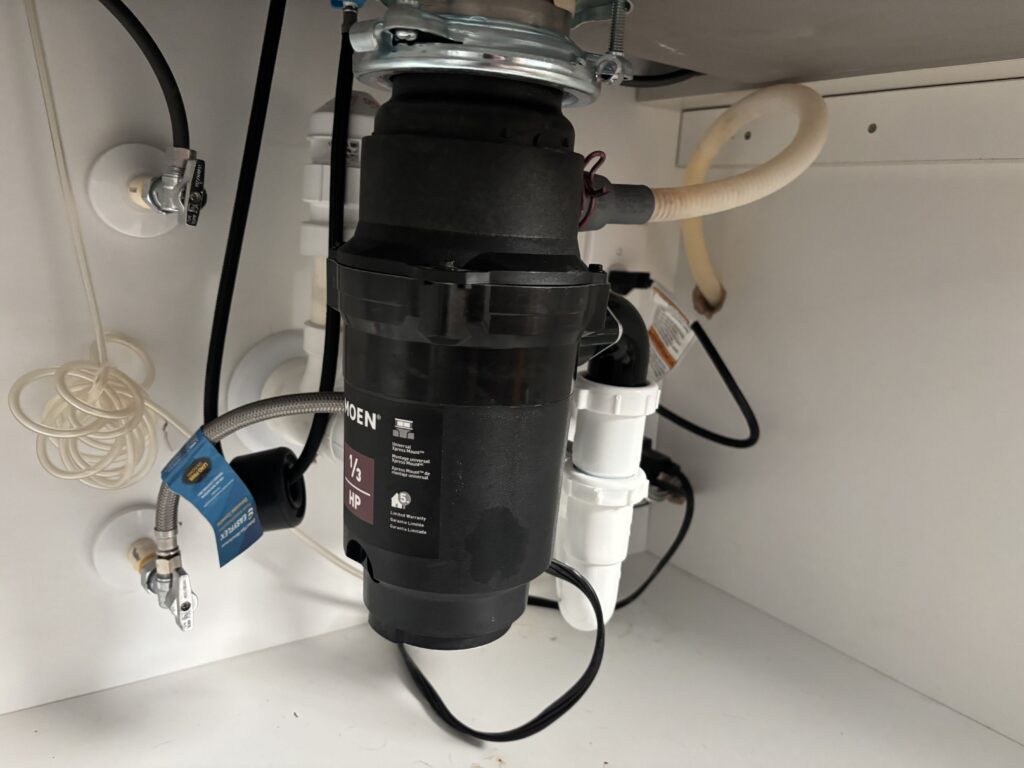
Use a Hex Wrench to Free a Jammed Garbage Disposal
Most disposals come with a small hex wrench designed to free a jammed garbage disposal from underneath. Look at the bottom center of the unit under your sink and you will find a hex shaped socket. Insert the wrench into that socket and work it back and forth. This motion manually rotates the flywheel and grinding plate inside the chamber. You will feel resistance where the jam sits. Keep rocking the wrench until the flywheel completes a full rotation in both directions. That full rotation tells you the obstruction has broken loose or shifted. If you lost the original wrench, a standard quarter inch hex key from any hardware store fits most models.
Some jams need more persuasion than a gentle rocking motion provides. Apply steady pressure rather than sudden force, because snapping the wrench inside the socket creates a bigger problem. Work the flywheel a few degrees at a time and let the obstruction grind down or move. Patience matters here; a stubborn jam can take several minutes of back and forth effort. If your model lacks a bottom socket, insert a wooden broom handle through the top of the drain. Wedge the handle against one of the impellers and lever the plate in both directions. Never use metal tools through the top opening. Metal on metal contact can crack the grinding components and ruin the unit.
After the flywheel spins freely, press the red reset button on the bottom of the disposal. The thermal overload trips during a jam to protect the motor, and the reset button restores it. Restore power at the breaker, run cold water, and flip the switch in short bursts. Short bursts let any remaining debris clear without stressing the motor. Listen for smooth, even grinding as the unit runs. Grinding that sounds rough or metallic means something is still loose inside the chamber. Cut the power again and repeat the inspection process. A disposal that jams repeatedly after this process has a deeper mechanical problem that needs professional attention.
Remove Stuck Objects From a Jammed Garbage Disposal
Removing the stuck object is the final step in clearing a jammed garbage disposal. With power confirmed off, shine a flashlight into the chamber and locate the debris. Use needle nose pliers or kitchen tongs to grab the object, never your fingers. Fingers can wedge between the impellers and the chamber wall even when the unit is off. Pull the object straight up and out of the drain opening. Check the chamber again, because jams often involve more than one piece of debris. A chicken bone might hide a bottle cap underneath it. Take your time and clear everything you can see.
Some objects sit too deep for pliers to reach from above. In those cases, the disposal may need to be partially disassembled from below. Many units twist off their mounting ring with a simple turn, which gives full access to the chamber. This step involves disconnecting the drain trap and sometimes the dishwasher hose. Water trapped in the lines will spill, so keep a bucket and towels ready. Homeowners comfortable with basic plumbing can handle this on newer units. Older disposals with corroded mounts often crack during removal. If your unit is more than eight years old, disassembly is a job for a licensed plumber.
Once every object is out, flush the disposal thoroughly before regular use. Run cold water at full pressure for thirty seconds with the unit off. Then restore power and run the disposal with cold water for another thirty seconds. Drop in a few ice cubes to knock loose any fine debris clinging to the impellers. Follow with a small amount of dish soap to cut through grease inside the chamber. Smell the drain afterward; lingering odors suggest trapped food deeper in the line. A slow draining sink after a jam points to a clog forming downstream. Struggling with slow drains after a jam? Click here for our drain cleaning service.
What Causes a Garbage Disposal to Jam
Understanding what causes a garbage disposal to jam helps you prevent the next one. Disposals are built to grind soft food waste, not everything that fits down the drain. Summer entertaining season multiplies the risk because more hands scrape more plates into the sink. Guests do not know your disposal rules, and party cleanup happens fast. Most jams trace back to three sources: the wrong foods, foreign objects, and worn internal parts. Each cause leaves different clues and demands a different fix. Knowing the difference saves you time, money, and frustration in the kitchen.
Food Scraps That Cause a Garbage Disposal to Jam
Certain food scraps cause a garbage disposal to jam more than anything else. Fibrous vegetables top the list, and summer produce is full of them. Corn husks, celery stalks, and onion skins wrap around the impellers like string. The fibers tangle instead of grinding, and the flywheel seizes within seconds. Watermelon rinds are another warm weather offender because their thickness overwhelms the grinding plate. Potato peels turn into a starchy paste that glues the chamber shut. Rice and pasta expand with water and pack into a dense mass. What goes down the drain matters more than how powerful your disposal is.
Bones and pits deserve their own warning during grilling season. Rib bones, chicken wings, and steak trimmings end up in sinks all across Cedar Park every July. Small bones might grind through, but larger ones wedge between the impeller and the chamber wall. Peach pits, avocado pits, and cherry stones are nearly as hard as stone. A single pit can stop a half horsepower motor instantly. Fruit forward summer desserts send a surprising number of pits into disposals. Scrape plates into the trash before rinsing, and treat the disposal as a finishing tool. That single habit prevents most food related jams.
Grease is the silent partner in many disposal jams. Bacon fat, burger drippings, and cooking oil pour down as liquid and harden as they cool. The grease coats the chamber walls, the impellers, and the drain line beyond. Food particles stick to the greasy film and build up layer by layer. Eventually the buildup restricts the flywheel and traps debris that would otherwise pass through. Grease also feeds clogs deeper in your kitchen drain line. Pour cooled grease into a can and throw it in the trash instead. Run cold water during every grind cycle, because cold water keeps any residual fat solid enough to break apart and flush away.
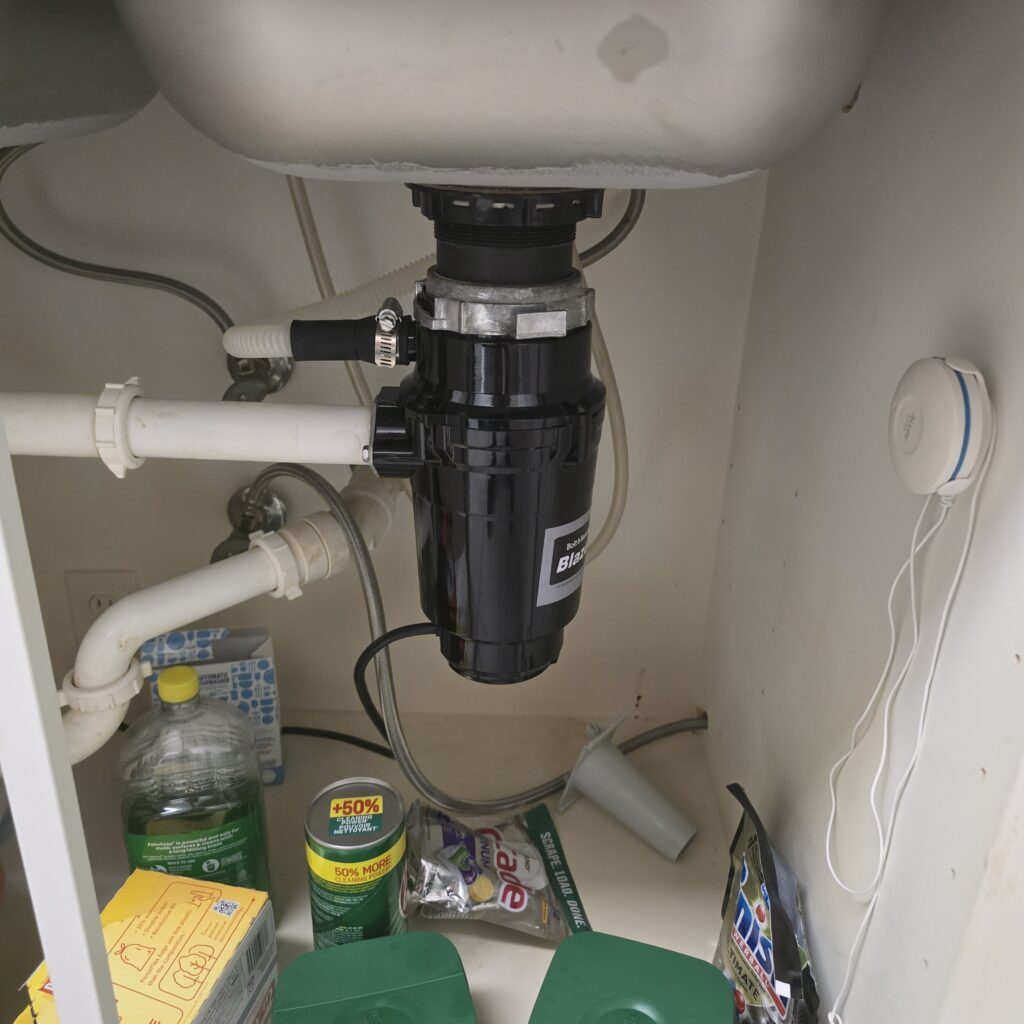
Foreign Objects That Cause a Garbage Disposal to Jam
Foreign objects cause a garbage disposal to jam in ways food never does. Silverware is the most common offender in busy kitchens. A teaspoon slides into the drain unnoticed while dishes soak in soapy water. The moment the switch flips, the spoon wedges against the grinding plate and the motor hums helplessly. Bottle caps, twist ties, and beer tabs follow the same path during summer parties. Small toys find their way in when kids help clear the table. Glass fragments from a broken cup are especially dangerous because they shatter into hidden pieces. Always check the drain opening before running the unit.
Non food debris often enters the disposal during cleaning and repairs. Sponges get sucked toward the drain and torn apart by the impellers. Dish rags wrap around the flywheel just like vegetable fibers. Rubber jar seals, produce stickers, and plastic wrap slip in with rinse water. Even a wandering scrub brush bristle can lodge under the plate. These materials do not grind; they bind. The motor strains against them until the thermal overload trips. Keep a sink strainer over the disposal opening when the unit is not in use. A two dollar strainer prevents repairs that cost hundreds.
Jewelry and small valuables create a special kind of jam emergency. Rings slip off soapy fingers and drop straight into the chamber. Homeowners panic and flip the switch to see what happened, which grinds the ring against the plate. If anything valuable falls in, cut power immediately and retrieve it with pliers or a magnet tool. Never run the disposal to check, because gold and silver are soft metals that mangle instantly. Take rings off before washing dishes and set them in a dish away from the sink. If a valuable is stuck deep in the unit, a plumber can disassemble the disposal without damaging the item. Recovery is almost always possible when the switch stays off.
Worn Parts That Cause a Garbage Disposal to Jam
Worn internal parts cause a garbage disposal to jam even when you do everything right. Disposals last eight to twelve years with normal use. Past that point, the components inside begin to fail one by one. Impellers loosen on their pivots and stop swinging with force. The grinding plate develops rough spots that catch debris instead of shredding it. Bearings wear down and let the flywheel wobble off center. A wobbling flywheel binds against the chamber wall under load. If your unit jams on soft foods it used to handle, age is the likely cause.
Corrosion accelerates wear inside every disposal in Central Texas. Our hard water leaves mineral deposits on the grinding components with every use. Those deposits roughen surfaces and create friction where parts should glide. Rust forms on the flywheel and shaft in older units, especially ones that sit unused for weeks. A rusted flywheel resists turning and jams under the slightest resistance. Leaks around the sink flange let water seep into the motor housing and corrode the windings. A disposal that trips its reset button repeatedly is showing electrical wear. These symptoms rarely improve; they compound until the unit fails completely.
Motor decline is the final stage of disposal wear. An aging motor loses torque, and torque is what powers through tough grinding. Foods that once vanished in seconds now stall the plate. You will notice longer grind times, louder operation, and a humming sound under load. Frequent thermal overload trips mean the motor is running hot. Running a weak motor against jams shortens its remaining life dramatically. At some point, repair costs approach the price of a new unit. A newer disposal with a higher horsepower motor jams far less often. Thinking about an upgrade? Click here for our garbage disposal installation service.
Why You Need Professional Garbage Disposal Repair
Some jams clear with a hex wrench, and some signal problems no wrench can fix. Professional garbage disposal repair protects your unit, your plumbing, and your hands. A licensed plumber diagnoses the true cause instead of treating the symptom. Repeated jams, leaks, electrical trips, and grinding noises all point to issues beneath the surface. Whitestone Plumbing offers 24/7 emergency plumbing across Cedar Park, Austin, Leander, Round Rock, and the surrounding communities. Call (512) 826-6217 and a licensed, insured technician will get your kitchen running again.
The Dangers of DIY Garbage Disposal Repair
DIY garbage disposal repair carries real risks beyond a stubborn jam. The blades inside can cause serious lacerations even when the power seems off. Electrical connections under a wet sink create shock hazards for untrained hands. Miswiring a disposal during reinstallation can damage the motor or trip breakers. Water and electricity share a small space under your sink, and mistakes there are unforgiving. A licensed plumber handles both safely as part of every repair.
Improper repairs also cause water damage that costs far more than the disposal itself. Loose drain connections drip slowly into the cabinet below. That moisture warps cabinet floors and feeds mold behind the kickplate. A cracked mounting flange leaks every time the sink drains. Many homeowners discover the damage months later during an unrelated repair. Professional installation and repair include leak testing before the job is done.
Forcing a jam is the most expensive DIY mistake of all. Repeated switch flipping burns out the motor windings in minutes. Prying with screwdrivers cracks the grinding plate and chamber housing. Chemical drain cleaners corrode disposal seals and never fix mechanical jams. Each of these shortcuts turns a simple service call into a full replacement. Calling a professional first is almost always the cheaper path.
When Garbage Disposal Repair Turns Into Replacement
Sometimes garbage disposal repair reveals a unit past saving. Frequent jams, persistent leaks, and constant resets signal end of life. A plumber weighs repair costs against the age and condition of your unit. Repairs approaching half the cost of a new disposal rarely make sense. Honest guidance at that decision point saves you money over time. Whitestone Plumbing gives free estimates with clear, honest pricing before any work begins.
Replacement brings real upgrades to a busy summer kitchen. Modern disposals offer stronger motors, stainless steel grinding components, and quieter operation. A three quarter horsepower unit powers through scraps that stall older half horsepower models. Better insulation cuts noise dramatically during operation. New units also seal better, which protects the cabinet below from leaks. Households that cook often feel the difference immediately.
Professional installation ensures your new disposal performs from day one. Correct mounting prevents vibration, leaks, and premature wear. Proper wiring protects the motor and your home’s electrical system. A plumber also inspects the drain line and dishwasher connection during the swap. Small problems get caught before they become weekend emergencies. Every installation is tested and cleaned up before the technician leaves your home.
Why Choose Whitestone Plumbing for Garbage Disposal Repair
Whitestone Plumbing brings over 20 years of plumbing experience to every garbage disposal repair. We are a locally owned and operated company based in Cedar Park. Our technicians are licensed and insured, including backflow certification. We know the hard water and plumbing quirks of Central Texas homes. That local knowledge means faster diagnosis and repairs that last. Your neighbors in Leander, Georgetown, and Pflugerville already trust us in their kitchens.
Clear, honest pricing sets us apart from the start. Every job begins with a free estimate and no surprise charges. You approve the price before any work happens under your sink. We explain what failed, why it failed, and how to prevent it. No upsells, no pressure, just straight answers from a licensed plumber. That honesty is why we are dedicated to always providing 5 star service.
Plumbing problems do not wait for business hours, and neither do we. Whitestone Plumbing offers 24/7 emergency plumbing across the Austin metro. A jammed disposal before a holiday cookout gets same day attention. Call (512) 826-6217 or email info@callwhitestone.com to schedule service. We serve Cedar Park, Austin, Round Rock, Leander, Georgetown, Pflugerville, Jonestown, Lago Vista, and Hudson Bend. One call gets your kitchen back to normal.