
Why Your Shower Has Hot And Cold Bursts
Few things ruin a morning faster than a shower that swings between scalding hot and freezing cold. One second you are comfortable, and the next you are jumping out of the spray. These hot and cold bursts are not random; they point to a specific problem somewhere in your plumbing system. The cause could be a worn shower valve, a struggling water heater, or pressure changes elsewhere in your home. Summer in Central Texas puts extra demand on household plumbing, with more laundry, more showers, and more irrigation running at the same time. That added demand often exposes weak points that went unnoticed during slower months. Understanding what causes these temperature swings helps you know when a simple fix will work and when you need a licensed plumber. This guide breaks down the most common causes, the proven fixes, and the reasons professional help matters.
Common Causes of Hot and Cold Bursts in Your Shower
Hot and cold bursts in your shower almost always trace back to one of three areas. The first is the shower valve itself, which controls how hot and cold water mix before reaching the showerhead. The second is your water heater, which may be failing to deliver a steady supply of heated water. The third is pressure fluctuation caused by other fixtures and appliances pulling water at the same time. Each cause produces slightly different symptoms, and identifying the right one saves you time and money. Some homes suffer from more than one issue at once, which makes the bursts feel unpredictable. A careful diagnosis is the first step toward a shower that stays at one comfortable temperature. The sections below explain each cause in detail so you can narrow down what is happening in your bathroom.
A Failing Shower Valve Causes Hot and Cold Bursts
The shower valve is the mixing station hidden behind your shower handle, and it blends hot and cold water to the temperature you select. Inside most modern valves sits a cartridge, a small component packed with seals, springs, and moving parts. Over years of daily use, these seals wear out, mineral deposits build up, and the cartridge loses its ability to hold a steady mix. When that happens, the valve lets too much hot or cold water slip through at unpredictable moments. You feel the result as sudden bursts of scalding or icy water in the middle of your shower. Hard water, which is common across Cedar Park, Leander, and the greater Austin area, speeds up this wear considerably. Calcium and magnesium scale coats the internal parts and causes them to stick or drift. If your shower temperature drifts even when no one else is using water, the valve cartridge is the prime suspect.
Older homes often have basic mixing valves with no protection against pressure changes at all. These valves were standard for decades, but they react instantly to any shift in the hot or cold supply line. A pressure balancing valve, by contrast, contains a spool or diaphragm that senses pressure changes and adjusts the mix within a fraction of a second. Homes built or remodeled after the mid 1990s usually have these valves because plumbing codes began requiring them for scald protection. If your home predates that era and the shower plumbing has never been updated, temperature bursts are almost guaranteed. The fix is not a patch; it is a valve upgrade. Knowing what type of valve sits behind your shower wall tells you a lot about why the bursts occur. A licensed plumber can identify the valve type quickly and recommend the right path forward.
Diagnosing a valve problem involves a few simple observations you can make on your own. Run the shower alone with no other water in use, and note if the temperature still swings. Check if the handle feels loose, gritty, or harder to turn than it used to. Listen for chattering or squealing sounds behind the wall when you adjust the temperature. Any of these signs point to internal wear inside the valve body or cartridge. Some cartridges can be replaced in under an hour, while corroded or obsolete valves require opening the wall for a full replacement. Guessing wrong wastes money on parts that do not solve the problem. A professional assessment confirms the cause before any wall gets opened.
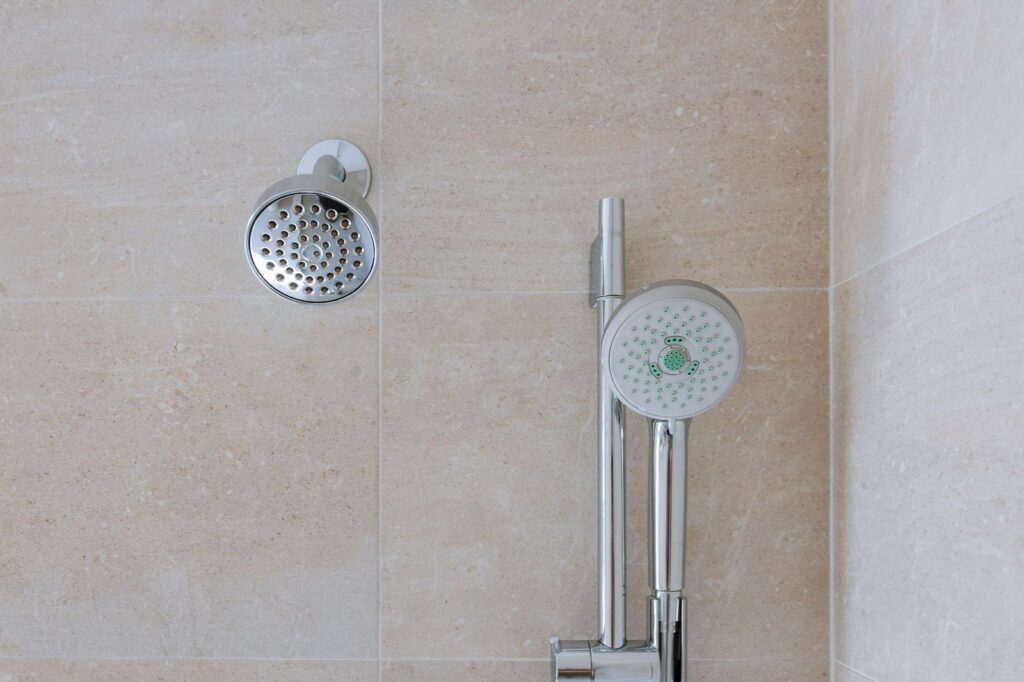
Water Heater Problems That Cause Hot and Cold Bursts in Your Shower
Your water heater is the second major source of shower temperature bursts, and sediment is usually the culprit. Every gallon of water entering a tank water heater carries dissolved minerals, and those minerals settle at the bottom of the tank over time. In Central Texas, where hard water is the norm, sediment can accumulate several inches deep within a few years. That sediment layer insulates the burner or heating element from the water, forcing the heater to cycle harder and heat unevenly. Pockets of overheated water mix with cooler water as it leaves the tank, producing bursts at your showerhead. You may also hear popping or rumbling sounds from the tank, which is steam escaping through the sediment layer. A heater in this condition wastes energy every single day. Annual flushing prevents the buildup, but a neglected tank may need professional service or replacement.
A broken dip tube creates a different but equally frustrating version of the same problem. The dip tube is a plastic pipe inside the tank that pushes incoming cold water down to the bottom where the burner heats it. When the tube cracks or breaks off, cold water enters at the top of the tank and flows straight into the hot water outlet. The result is lukewarm water interrupted by cold bursts, even when the tank is fully heated. Failing thermostats and heating elements cause similar symptoms in electric water heaters by heating the water inconsistently. Gas heaters with dirty burners or faulty gas valves cycle erratically and produce uneven temperatures too. These internal failures rarely fix themselves and usually get worse each week. Experiencing these symptoms? Click here for our water heater repair service and get a licensed technician to your door.
Tankless water heaters bring their own version of temperature bursts, often called the cold water sandwich. When you turn on the shower shortly after someone else used hot water, leftover hot water in the pipes arrives first. Then a slug of cold water follows because the tankless unit takes a moment to fire up and reach temperature. Finally, steady hot water arrives once the unit stabilizes. Scale buildup inside the heat exchanger makes this worse by slowing heat transfer and causing the unit to fluctuate. Undersized tankless units also struggle when multiple fixtures demand hot water at once, dropping temperature mid shower. Regular descaling keeps a tankless unit delivering consistent temperatures for years. Thinking about switching systems? Click here to learn about our tankless water heater services.
Plumbing Pressure Changes That Cause Hot and Cold Shower Bursts
Pressure fluctuation is the third major cause of shower temperature bursts, and it happens in nearly every home to some degree. Your shower valve mixes hot and cold water based on the pressure in each supply line. When a toilet flushes, it pulls cold water from the system and drops the cold side pressure. The valve suddenly receives a hotter mix, and you feel a burst of scalding water. The reverse happens when a dishwasher or washing machine draws hot water; the shower turns cold without warning. Older homes with basic valves feel these swings intensely because nothing compensates for the pressure shift. Summer makes this worse in Texas households, since irrigation systems, pool equipment, and extra laundry all compete for water. If your bursts only happen when other fixtures run, pressure fluctuation is your answer.
Undersized or aging supply pipes amplify pressure problems throughout the house. Galvanized steel pipes, common in homes built before the 1970s, corrode from the inside and narrow over decades. A pipe that started at three quarters of an inch may have half that opening left after fifty years of mineral buildup. Narrow pipes cannot deliver enough volume when demand rises, so pressure crashes the moment a second fixture opens. Even copper and PEX systems suffer if the original layout used undersized branch lines to the shower. Partially closed shutoff valves and clogged inline filters restrict flow the same way. These restrictions turn minor demand changes into dramatic temperature swings. Repiping or targeted pipe upgrades restore the volume your fixtures were designed to receive.
Hidden leaks and municipal pressure swings round out the pressure related causes. A pinhole leak in a hot water line bleeds off pressure constantly and leaves less hot water available at the shower. Slab leaks, which are common in Central Texas homes built on concrete foundations, often show up first as unexplained temperature problems. Municipal supply pressure also varies during peak summer hours when neighborhoods water lawns in the morning and evening. A failing pressure regulator on your main line lets those street level swings pass straight into your home. Watch your water bill for unexplained increases and check for warm spots on floors. Suspect a hidden leak is stealing your pressure? Click here for our professional leak detection service.
How to Fix Hot and Cold Bursts in Your Shower
Fixing shower temperature bursts starts with matching the repair to the actual cause. Valve problems call for cartridge replacement or a full valve upgrade. Water heater problems require flushing, component repair, or replacement of the unit. Pressure problems demand fixes ranging from a new pressure regulator to repiping restricted lines. Attempting the wrong fix wastes money and leaves the bursts in place. Some solutions are simple maintenance tasks, while others involve opening walls or working with gas and electrical connections. Texas requires licensed plumbers for most of this work, and for good reason; mistakes with water heaters and pressurized lines cause real damage. The three fixes below solve the vast majority of hot and cold burst complaints.
Replacing the Shower Cartridge to Fix Hot and Cold Bursts
Cartridge replacement is the most common fix for temperature bursts caused by a worn shower valve. The job starts by shutting off water to the shower, either at dedicated stops or at the main shutoff. The handle and trim plate come off to expose the valve body recessed in the wall. A retaining clip or nut holds the cartridge in place, and removing it frees the old cartridge for extraction. Corroded cartridges often seize inside the valve body, and forcing them out with the wrong tools cracks the valve. Special cartridge pullers exist for exactly this reason, and plumbers keep them on the truck. The new cartridge must match the exact brand and model of your valve, since Moen, Delta, Kohler, and others all use different designs. Once installed, the valve should hold a steady temperature immediately.
Getting the details right during cartridge replacement determines how long the fix lasts. The valve body should be cleaned of scale and debris before the new cartridge goes in. Fresh plumber’s grease on the O rings helps the cartridge seat properly and move smoothly. The cartridge must be oriented correctly; installing it backwards reverses your hot and cold sides. After installation, the temperature limit stop should be set so the handle cannot deliver scalding water. This safety adjustment matters greatly in homes with children or elderly residents. Testing the shower through several cycles confirms the temperature holds steady under real use. Skipping any of these steps leads to callbacks and continued frustration.
Sometimes the cartridge is not the problem, and the entire valve needs replacement instead. Valve bodies crack, seats corrode beyond repair, and obsolete models have no replacement cartridges available. Full valve replacement means opening the wall behind the shower or cutting an access panel, then soldering or connecting a new valve to the supply lines. This is a genuine plumbing project involving pipe cuts, precise measurements, and watertight connections inside a wall cavity. A mistake here means hidden leaks, mold growth, and drywall damage that costs far more than the original repair. Licensed plumbers complete valve replacements with proper permits and pressure testing. The payoff is a modern valve that delivers decades of stable shower temperatures.
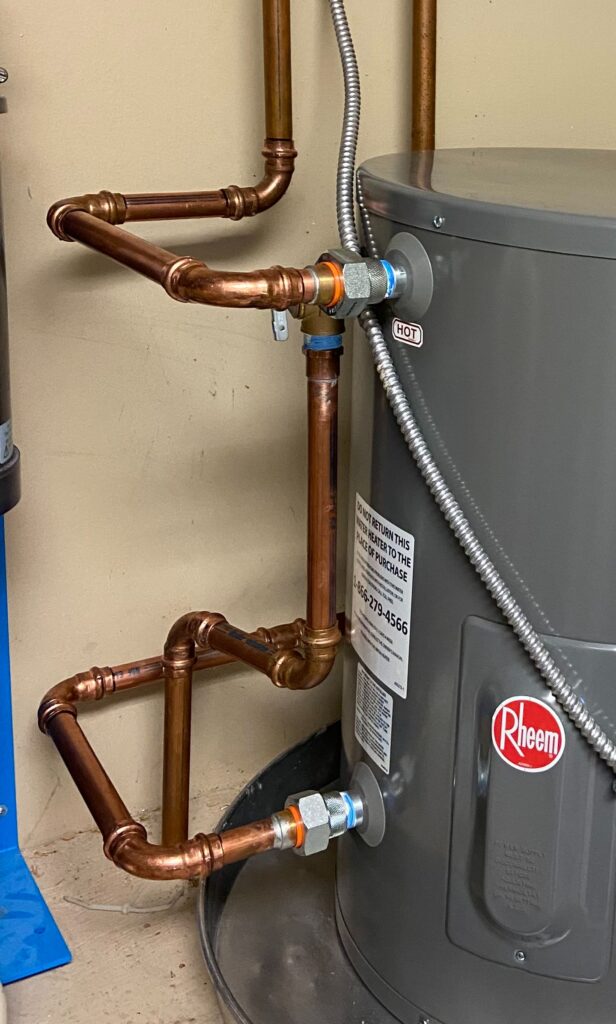
Flushing the Water Heater to Fix Hot and Cold Shower Bursts
Flushing removes the sediment layer that causes uneven heating and temperature bursts from a tank water heater. The process starts by turning off power to an electric unit or setting a gas unit to pilot mode. A garden hose connects to the drain valve at the bottom of the tank and runs to a floor drain or outside. With the cold supply still on, opening the drain valve pushes water through the tank and carries sediment out with it. The water runs cloudy or brown at first, then clears as the sediment washes away. Heavily neglected tanks may need several fill and drain cycles to clear the buildup. Stirring the sediment by briefly opening the cold inlet helps break up compacted layers. Once the water runs clear, the tank refills and heating resumes with far more consistency.
Annual flushing is the single best maintenance habit for water heaters in hard water regions like Central Texas. A clean tank heats water evenly, which eliminates the hot pockets and cold spots that cause shower bursts. It also extends the life of the tank by years, since sediment traps heat against the steel bottom and accelerates corrosion. Flushing improves recovery time too, meaning the tank reheats faster after heavy use. Energy bills drop when the burner or elements no longer fight through an insulating sediment layer. The anode rod should be inspected during the same visit, since a depleted rod leaves the tank vulnerable to rust. Homeowners who skip this maintenance often face premature tank failure and surprise replacement costs. A yearly professional inspection catches these issues before they become emergencies.
Some water heater problems require more than a flush, and knowing the difference matters. If bursts continue after flushing, the dip tube, thermostat, or heating elements need evaluation. Electric heaters use two thermostats and two elements, and any of the four can fail and cause uneven temperatures. Gas heaters may need burner cleaning, thermocouple replacement, or gas valve repair. Tanks older than ten years with recurring temperature problems are usually candidates for replacement rather than repeated repairs. Rust colored hot water, moisture around the tank base, or a rotten egg smell all signal deeper trouble. Not sure what shape your heater is in? Click here to schedule a professional water heater inspection and get clear answers.
Upgrading to a Pressure Balancing Valve to Stop Hot and Cold Bursts
A pressure balancing valve is the permanent solution for bursts caused by pressure fluctuation in your plumbing. Inside the valve, a sliding spool or flexible diaphragm constantly monitors the pressure of the hot and cold supply lines. When a toilet flush drops the cold side pressure, the spool shifts instantly and restricts the hot side to match. The outlet temperature stays within a few degrees of your setting no matter what happens elsewhere in the house. This reaction happens in a fraction of a second, faster than you can feel the change. Plumbing codes now require these valves in new shower installations specifically to prevent scald injuries. Children and older adults benefit most, since a sudden scalding burst can cause serious burns or dangerous falls. Upgrading an old two handle or basic mixing valve to a pressure balancing model transforms the shower experience.
Thermostatic mixing valves offer an even higher level of temperature control for homeowners who want precision. These valves contain a wax element or bimetal coil that responds to actual water temperature, not just pressure. You set an exact temperature, and the valve holds it even as your water heater output drifts. Many thermostatic models also include volume control, letting you adjust flow without changing temperature. They pair especially well with tankless water heaters, smoothing out the temperature swings those units can produce. The cost runs higher than a standard pressure balancing valve, but the comfort difference is significant. Larger showers with multiple heads or body sprays almost always need thermostatic control. A plumber can help you choose the right valve type for your setup and budget.
Whole home pressure fixes complete the picture when valve upgrades alone are not enough. A pressure reducing valve on your main line tames high municipal pressure and protects every fixture in the house. Replacing corroded galvanized pipes with PEX or copper restores full flow to starved fixtures. Adding a thermal expansion tank prevents pressure spikes when the water heater heats and expands the water in a closed system. Correcting undersized branch lines to bathrooms eliminates the pressure crashes that trigger bursts. Each of these upgrades addresses the root cause instead of masking symptoms. A licensed plumber can test your static and dynamic pressure to identify exactly where your system falls short. The result is stable pressure and stable shower temperatures throughout the entire home.
Why You Need a Professional Plumber for Hot and Cold Shower Bursts
Shower temperature bursts have overlapping causes, and professional diagnosis prevents expensive guesswork. A homeowner might replace a cartridge only to discover the real problem was a failing dip tube in the water heater. Licensed plumbers carry pressure gauges, thermometers, and inspection tools that pinpoint the cause on the first visit. Texas law also requires licensed professionals for water heater work, gas connections, and most valve replacements. Beyond compliance, professional work protects your home from hidden leaks, scald hazards, and voided manufacturer warranties. The right repair done once always costs less than three wrong repairs done in a row.
A Professional Plumber Diagnoses Hot and Cold Shower Bursts Correctly
Accurate diagnosis is the foundation of every lasting plumbing repair. A licensed plumber tests water pressure on both hot and cold lines while other fixtures run, revealing pressure related causes immediately. Temperature measurements at the water heater outlet and the showerhead show exactly where heat is being lost or disrupted. The plumber inspects the valve type, checks the cartridge condition, and evaluates the water heater in a single visit. This systematic approach rules out causes one by one instead of guessing. You get a clear explanation of the problem and a written price before any work begins.
Homeowners who skip diagnosis often pay for it twice. Online forums suggest a dozen possible causes for temperature bursts, and picking the wrong one means buying parts that solve nothing. A new cartridge does not fix a sediment filled water heater. A water heater flush does not fix a corroded galvanized supply line. Each wrong guess costs money, time, and another weekend of frustration. Professional diagnosis ends the cycle by identifying the true cause on day one.
Diagnosis also catches related problems before they escalate. A plumber checking your shower valve may spot corrosion on nearby supply lines or early signs of a slab leak. Water heaters showing burst symptoms often have failing anode rods or pressure relief valves that need attention. Finding these issues during one visit prevents emergency calls later. Small problems found early cost a fraction of what failures cost. That is the hidden value of a trained set of eyes on your plumbing system.
Professional Repairs for Hot and Cold Shower Bursts Protect Your Home
Professional repairs protect your home in ways that go beyond fixing the temperature. Valve work happens inside wall cavities where a single imperfect connection leaks silently for months. Licensed plumbers pressure test every connection before closing the wall, eliminating that risk. Water heater repairs involve gas lines, electrical circuits, and pressurized tanks that punish mistakes severely. Proper installation of temperature and pressure relief valves prevents dangerous tank failures. Your homeowner’s insurance and manufacturer warranties also stay intact when licensed professionals perform the work.
Scald protection is a safety issue that professional work addresses directly. Water above 120 degrees can burn a child’s skin in seconds, and temperature bursts deliver exactly that kind of sudden exposure. Plumbers set temperature limit stops on shower valves and verify water heater thermostat settings during every repair. Pressure balancing and thermostatic valves get calibrated to safe maximum temperatures. These adjustments meet plumbing code requirements designed to prevent burn injuries. Families with young children, elderly members, or anyone with limited mobility gain real protection from this work.
Quality repairs also preserve your home’s value and prevent water damage. Hidden shower valve leaks rot framing, feed mold colonies, and destroy drywall from the inside out. A failing water heater can release fifty gallons of water onto your floors without warning. Professional workmanship, proper materials, and code compliant installation prevent these disasters. Documented repairs from a licensed company also help during home sales and inspections. Every properly completed plumbing repair is an investment in the house itself.
Why Choose Whitestone Plumbing for Hot and Cold Shower Bursts
Whitestone Plumbing brings over 20 years of plumbing experience to every shower repair, water heater service, and valve replacement. We are a locally owned and operated company based in Cedar Park, and we understand exactly how Central Texas hard water affects your plumbing. Our team is licensed and insured, with backflow licensed and certified technicians on staff. We provide free estimates with clear, honest pricing before any work begins. You will never face surprise charges or vague quotes from our team. We are dedicated to always providing a 5 star service on every single call.
Our service area covers Cedar Park, Austin, Round Rock, Leander, Georgetown, Pflugerville, Jonestown, Lago Vista, and Hudson Bend. Temperature bursts do not follow business hours, and neither do we; our 24/7 emergency plumbing service means help is available the moment you need it. A scalding shower valve or failing water heater cannot wait until Monday. We arrive with stocked trucks, diagnose the problem accurately, and complete most repairs the same day. Local ownership means we answer to our neighbors, not a distant corporate office. Your satisfaction is the reputation we live on.
Stop tolerating a shower that swings between hot and cold every morning. Call Whitestone Plumbing at (512) 826-6217 or email info@callwhitestone.com to schedule your free estimate today. Our team will identify the cause of your temperature bursts and give you straight answers with honest pricing. From cartridge replacements to complete water heater services, we handle it all with licensed expertise. Visit us at 702 Dewberry Dr, Cedar Park, TX 78613, or reach out anytime, day or night. Steady, comfortable showers are one phone call away.