
How To Tell If Your Main Water Line Is Leaking
A main water line leak ranks among the most damaging plumbing problems a Cedar Park home can face, yet many homeowners miss the early warning signs until the damage spreads. The main water line connects your home to the municipal water supply, running underground from the street meter to your house, and it carries every gallon of water your family uses each day. When that buried line develops a crack, a corroded section, or a failed joint, water escapes silently into the soil long before you notice puddles in the yard. Catching a main water line leak early protects your foundation, your landscaping, your monthly water bill, and the structural integrity of your home. Late spring weather in Central Texas places extra stress on these underground lines as soil shifts, temperatures swing, and irrigation systems return to heavy use. Knowing the warning signs gives you the power to act fast and call a licensed plumber before a small leak becomes a full pipe failure.
Common Warning Signs Your Main Water Line Is Leaking
Spotting a main water line leak starts with paying attention to small changes around your property that often get dismissed as coincidence. The line sits buried several feet underground, so the symptoms show up indirectly through your water pressure, your bill, your yard, and the sounds inside your walls. Homeowners in Cedar Park, Leander, and Round Rock often notice two or three of these signs at the same time, and that overlap usually points to a leak somewhere along the service line. Trust the pattern, not a single clue, and write down what you observe so a plumber can diagnose the problem faster. The sooner you connect these dots, the less water you waste and the smaller the repair bill becomes.
Unexplained High Water Bills Point To A Main Water Line Leak
A sudden jump in your monthly water bill stands as one of the clearest early signals that your main water line is leaking somewhere underground. Compare your current bill to the same month last year, because seasonal use patterns tend to repeat in similar households across Central Texas. If your usage doubled or tripled without any change in habits, irrigation schedules, or household occupancy, water is escaping somewhere it should not be. The leak does not have to be large to drive up the bill, since even a pinhole leak running constantly for thirty days can waste thousands of gallons. Many homeowners assume the utility made a billing mistake, but the meter rarely lies, and the extra water almost always points to a real loss somewhere on the property. Reviewing three or four months of bills side by side helps you spot the trend before the next statement arrives.
Water bills often climb gradually before they spike, which makes the early stage of a main water line leak easy to overlook in a busy household. You might see a five-dollar bump one month, a fifteen-dollar bump the next, and then a sudden seventy-dollar surge that finally catches your attention. The leak grows as soil washes away from the pipe, exposing more of the damaged section to pressure and accelerating the loss. By the time the bill shocks you, the leak has already been working against your foundation and yard for weeks or months. Catching the trend early gives you a chance to schedule a leak detection appointment before water damage spreads under the slab or into the landscape. A licensed plumber can pinpoint the source quickly with professional equipment that traces sound and pressure changes underground.
Tracking your water usage through your utility account online gives you a faster warning than waiting for the paper bill to arrive in the mailbox. Most Central Texas water providers now offer daily or hourly usage data through customer portals, and a steady overnight flow when no one is using water almost always means a leak. Set a reminder to check your usage once a week, especially after a stretch of dry weather or after any landscaping work near the service line. If you see continuous flow during sleeping hours, shut off every fixture and watch the meter for thirty minutes to confirm the leak. That simple test costs nothing and often saves hundreds of dollars in wasted water. Need help finding a hidden leak? Click here for our leak detection service.
Low Water Pressure Throughout The House Signals A Main Water Line Leak
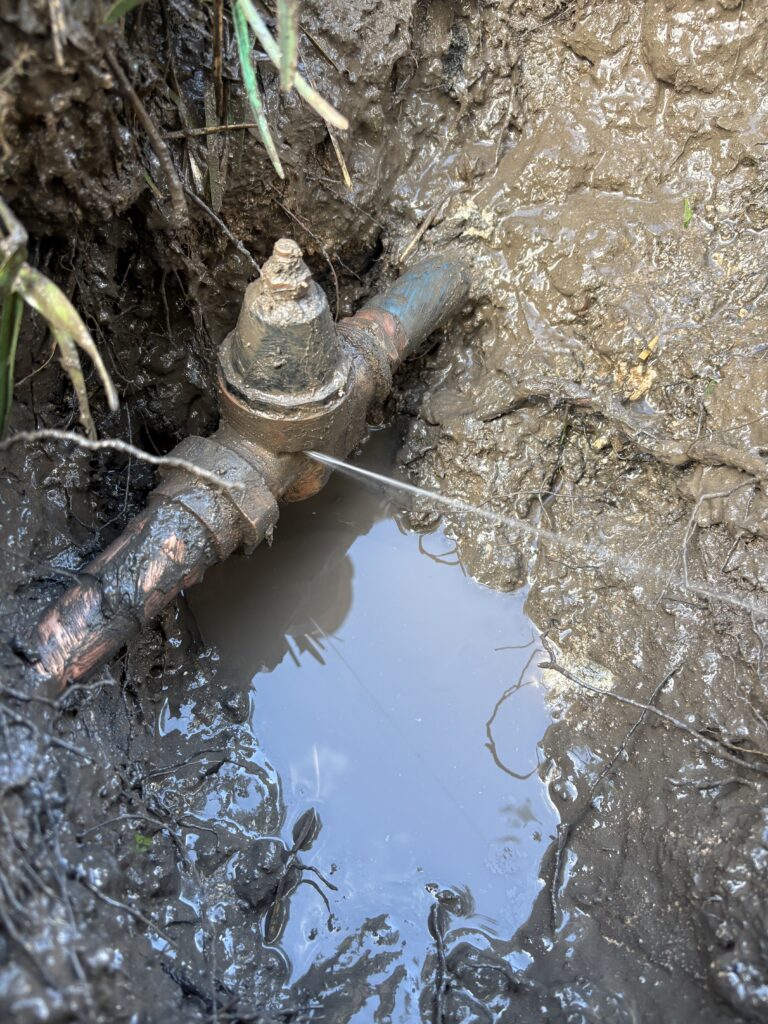
Weak water pressure at every faucet, shower, and appliance in your home often points to a main water line leak rather than a problem inside the house. When the supply line cracks or corrodes, water escapes before it ever reaches your fixtures, leaving less pressure available to push through the pipes you use. A single low-pressure faucet usually means a clogged aerator or a local valve issue, but pressure loss across the whole house tells a different story. The drop may come on slowly over weeks, or it may appear suddenly after a soil shift, a freeze, or heavy rain. Either pattern points to a service line problem that needs professional attention. Pay close attention if your shower feels weaker than usual at the same time the kitchen sink loses force.
Comparing pressure at indoor and outdoor faucets helps you narrow down where the leak is located along the service line. Turn on a hose bib first, then check the closest indoor fixture, and note any difference in flow strength between the two. If both feel weak, the leak likely sits between the meter and the house, which is the section most exposed to ground movement and tree root pressure. If only indoor fixtures struggle, the problem may sit closer to the home or just past the main shutoff valve inside the wall. A plumber uses this kind of comparison along with pressure gauge readings to map out the affected section. The faster you share these observations, the faster the repair crew can dig in the right spot and avoid tearing up extra landscaping.
Pressure loss often pairs with sputtering air at the faucet, since a damaged main line can pull air into the system through the crack when flow resumes. You might hear a brief hiss or see bubbles when you first turn on a tap in the morning, especially in bathrooms farther from the meter. That air intrusion confirms the line has lost its watertight seal somewhere along its underground path. Ignoring this sign allows soil and debris to enter the pipe along with the air, which can foul aerators, damage appliance valves, and dirty the water itself. Pressure that drops, recovers, and drops again over the course of a day points to a leak that opens and closes as soil pressure shifts around it. A licensed Whitestone plumber can confirm the diagnosis with a pressure test and isolate the failure point.
Wet Spots In The Yard Reveal A Main Water Line Leak
Soggy patches of grass, soft mud, or unusually green stripes across your lawn often mark the path of a leaking main water line buried below. The leaking water travels along the easiest route through the soil, then surfaces in low spots, near tree roots, or along the line between the meter and the house. In a Cedar Park yard, you might notice one stretch of St. Augustine staying lush and tall while the rest of the lawn struggles in the late spring heat. That extra growth comes from the steady underground irrigation your leak is providing for free, and it almost always traces a straight line from the meter toward the front of the house. Walk the suspected path slowly with bare feet or thin shoes, because soft, spongy ground gives away the leak even when no water sits on the surface. Mark any soft spots with small flags so the plumber can locate them quickly.
Standing water that appears without rain or irrigation stands as a stronger sign that the leak has grown large enough to surface above the soil. Look near the curb, the meter box, the foundation edge, and any spot where the yard slopes downhill from the service line. Water pooling inside the meter box itself, especially when no one in the house is using water, almost always confirms a leak on the homeowner side of the meter. You can lift the meter lid carefully and watch the dial for movement during a period of total non-use to verify the loss. If the dial spins or creeps forward with every fixture off, the leak sits somewhere between the meter and your home. That observation alone gives a plumber enough information to start narrowing down the location.
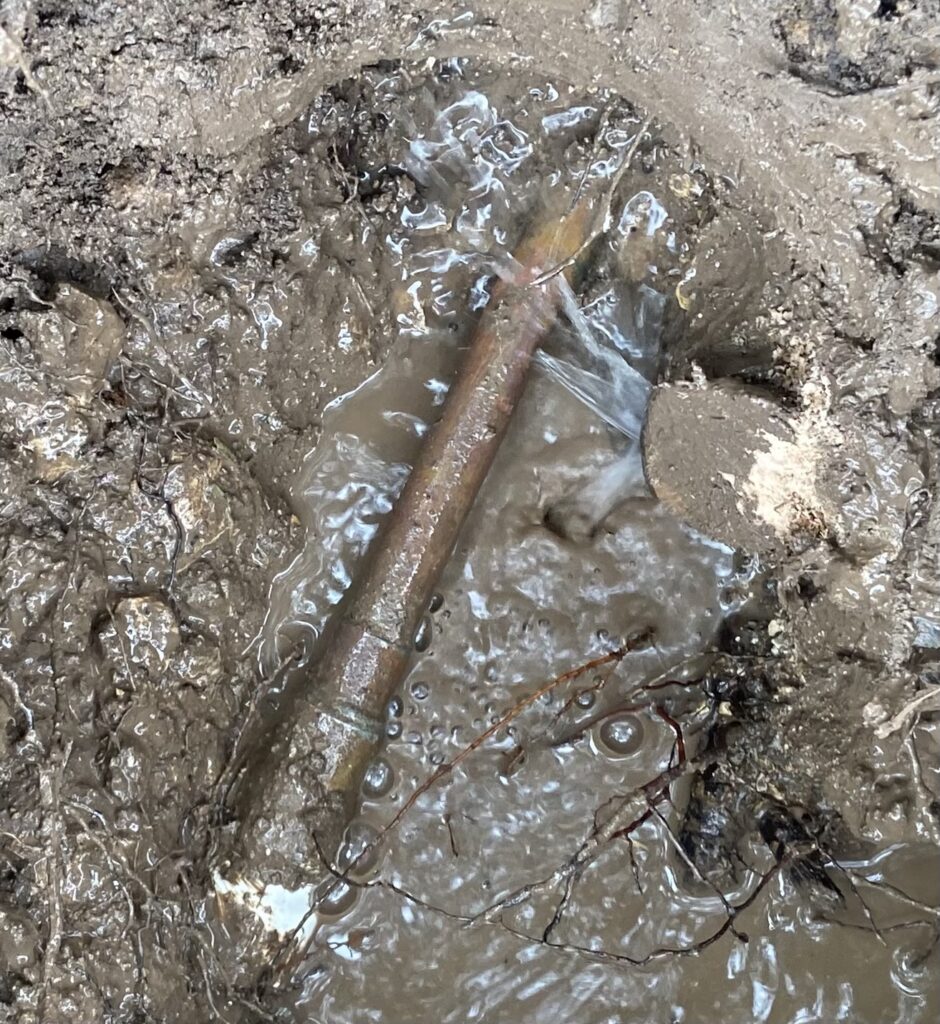
Sinkholes, depressions, or cracking in driveways and walkways near the service line path point to advanced main water line leaks that have washed away supporting soil. As water escapes under pressure, it carries fine particles of dirt away from the pipe, creating voids that eventually collapse under the weight of concrete, vehicles, or foot traffic. A small dip in the driveway might seem cosmetic at first, but it often signals serious erosion happening just below the surface. Left alone, these voids can swallow sections of hardscape, damage retaining walls, and even threaten the home’s foundation. Acting quickly at the first sign of ground movement protects your property far beyond the cost of the pipe repair itself. A professional leak detection visit identifies the source without unnecessary digging and limits the damage to your yard.
How To Confirm A Main Water Line Leak Before Calling A Plumber
Once you spot warning signs, a few simple checks at home help you confirm a main water line leak and give your plumber a head start on the repair. These steps cost nothing, take less than an hour, and rule out the most common false alarms like running toilets, leaking irrigation valves, or dripping outdoor spigots. Documenting the results with photos and notes also speeds up the diagnosis when a technician arrives at your property. Cedar Park homeowners who come prepared with this information often save time, labor charges, and unnecessary excavation. The goal is to confirm that water is leaving your system somewhere outside the visible plumbing inside the house. Once that is clear, the conversation with your plumber moves straight to locating and fixing the underground line.
The Water Meter Test Confirms A Main Water Line Leak
The water meter test gives you the most reliable home check for confirming a main water line leak before any digging or professional inspection begins. Start by turning off every water-using fixture and appliance in the house, including ice makers, irrigation timers, water softeners, and recirculating pumps. Walk outside to the meter box, lift the lid, and write down the exact reading along with the position of the leak indicator dial. Wait at least thirty minutes without using any water, then check the reading again to see whether anything changed. Any movement on the dial or any change in the numbers confirms that water is leaving your system somewhere between the meter and the farthest fixture. That single test rules out billing errors and points the investigation toward the service line and the home plumbing.
A more focused version of the meter test helps you tell whether the leak sits underground or inside the house itself. After confirming movement on the meter, locate the main shutoff valve where the line enters your home, usually near the front hose bib or inside a utility area. Close that valve fully and return to the meter to watch the dial for another fifteen minutes. If the meter keeps moving with the house valve closed, the leak is on the buried service line between the meter and the house. If the meter stops, the leak sits somewhere inside the home, which points to a slab leak, a wall leak, or a fixture problem. This split test saves the plumber significant time and helps you understand exactly what kind of repair you face.
Repeat the meter test at different times of day if your first results come back unclear or inconsistent. Ground temperature, soil moisture, and pressure fluctuations from the municipal supply can all change how a small leak behaves over a twenty-four hour cycle. Running the test once in the morning and once in the evening gives you a more complete picture of the loss rate. Record each reading carefully, since steady forward movement at every test confirms a continuous leak that needs professional attention. If you only see movement at certain times, the leak may open and close with ground pressure, which still points to a failing line. Share all of your readings with your plumber so the repair plan matches the real behavior of the leak.
Inspecting Visible Plumbing Helps Confirm A Main Water Line Leak
Before assuming the leak sits underground, walk through every accessible plumbing fixture in your home to rule out common indoor sources that mimic a main line leak. Check under every sink for damp cabinet floors, water stains, or the smell of mildew that often comes with slow drips. Look behind toilets at the supply line, the shutoff valve, and the base of the bowl for any sign of moisture or mineral buildup. Examine the connections behind your washing machine, dishwasher, refrigerator ice maker, and water heater, since failing supply hoses can waste large amounts of water without obvious flooding. Take photos of anything questionable so you can compare conditions over the next few days. Ruling out these indoor sources strengthens the case for an underground main water line leak.
Toilets cause more false alarms about main water line leaks than almost any other fixture in the home, so give them extra attention during your inspection. Add a few drops of food coloring to the tank, wait fifteen minutes without flushing, and check whether the color appears in the bowl. Color in the bowl confirms a flapper or fill valve leak that wastes water continuously and inflates your bill the same way a buried line would. Repair or replacement of the flapper usually solves the issue for very little money and rules out the toilet as the cause of your high usage. Run this test on every toilet in the house, since multiple slow leaks can add up to thousands of wasted gallons each month. Need help with a constantly running toilet? Click here for our toilet repair service.
Outdoor fixtures and irrigation systems often hide leaks that homeowners blame on the main water line, so include them in your inspection before calling a plumber. Walk the perimeter of the house and check each hose bib for drips at the handle, the spout, and the connection to the wall. Inspect your irrigation backflow preventer, control valves, and visible drip emitters for any sign of weeping or pooling water. A stuck irrigation valve can deliver water to a zone twenty-four hours a day without ever turning on visibly, and that constant flow shows up on the meter exactly like an underground leak. Confirm that the irrigation controller is off and that no zones are running before you complete the meter test. Once you rule out the irrigation system, any continued meter movement points strongly to the main water line itself.
Why You Need A Licensed Plumber For A Main Water Line Leak
A main water line leak demands professional repair from a licensed plumber because the work involves buried lines, pressurized connections, and code requirements that go beyond typical do-it-yourself plumbing. Cedar Park homes connect to municipal water through service lines that must meet local standards for material, depth, and connection method, and a botched repair can fail inspection or create new leaks within months. The right plumber brings the equipment to locate the leak without digging up your entire yard, the experience to handle different pipe materials, and the licensing required to legally tie back into the municipal supply. Trusting this work to a qualified team protects your home, your warranty, and your water service. Whitestone Plumbing has served Cedar Park and the surrounding communities with main line expertise for over twenty years.
Professional Leak Detection Solves A Main Water Line Leak Faster
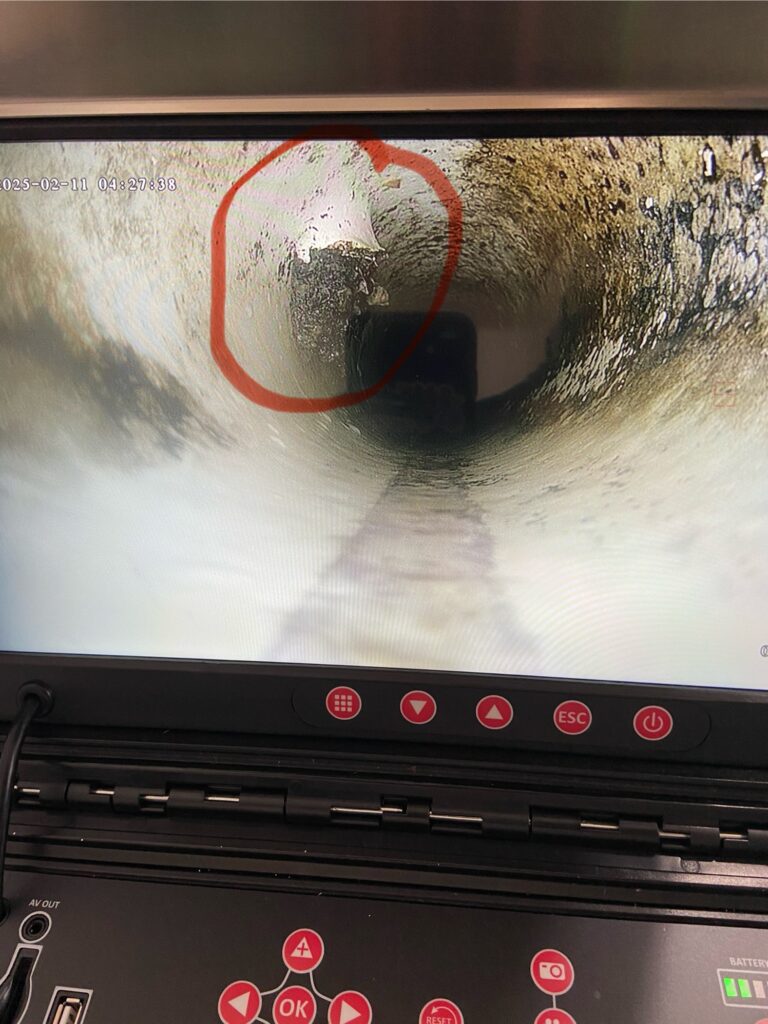
Professional leak detection equipment finds a main water line leak in hours rather than the days it would take to dig blindly across a yard. Licensed plumbers use acoustic listening devices, pressure testing tools, and tracer gas systems to pinpoint the exact spot where water is escaping underground. That precision means a small access hole rather than a full trench, which protects your lawn, your driveway, and any landscaping along the service line path. The savings on restoration work alone often cover the cost of professional detection several times over. Cedar Park yards with mature trees, established beds, and decorative hardscape benefit the most from this targeted approach.
Experience matters during leak detection because every main line behaves a little differently based on its age, its material, and the soil around it. Older galvanized steel lines fail differently than copper, and modern polyethylene lines show their own patterns when they crack or pull apart at a fitting. A plumber who has worked on hundreds of Central Texas service lines reads these clues quickly and adjusts the search method to match. That experience also helps the technician spot related problems, like deteriorating fittings or undersized line sizing, that may need attention during the repair. Catching those issues now prevents a second service call within a year or two.
Professional detection also includes a clear report of what was found, where, and what the repair will involve before any digging begins. You get a fair estimate, a timeline, and an explanation of the materials your plumber will use to restore the line. That transparency protects you from surprise charges and gives you the information you need to plan around the repair. Whitestone Plumbing delivers free estimates with clear, honest pricing so you know what to expect from the very first visit. Click here for our leak detection service.
Code-Compliant Repair Of A Main Water Line Leak Protects Your Home
Repairing a main water line correctly means meeting the local plumbing code that governs pipe materials, depth, bedding, and connections in Williamson and Travis counties. A licensed plumber knows these requirements and pulls the proper permits when the scope of the repair calls for them. Code-compliant work passes inspection on the first visit and creates a paper trail that supports your homeowner insurance and your future resale value. Skipping these steps to save money often costs far more later when an unpermitted repair fails or causes water damage that insurance refuses to cover. Doing the job right the first time always wins.
Material choice plays a major role in a code-compliant main water line repair, since not every pipe type suits every situation. A professional plumber recommends the right material based on soil conditions, line depth, line length, and the existing connections at the meter and the house. PEX, copper, and polyethylene each have strengths and weaknesses, and choosing the wrong one for your specific yard can shorten the life of the repair. Whitestone Plumbing carries the materials and the experience to match the line to the conditions on your property. That care extends the life of the repair and protects you from a repeat failure.
Proper backfill, bedding, and trenching protect a repaired main water line for decades to come. Rocky soil, shifting clay, and aggressive tree roots all threaten an underground pipe, and a careful repair includes the right sand bedding and compaction to keep the new line safe. A licensed crew also marks the repair location for future reference and restores the surface as cleanly as the conditions allow. Need a full line replacement instead of a single repair? Click here for our repiping service.
Why Choose Whitestone Plumbing For Your Main Water Line Leak
Whitestone Plumbing brings over twenty years of plumbing experience to every main water line leak we repair across Cedar Park, Leander, Round Rock, Georgetown, Pflugerville, and the surrounding communities. Our team is licensed, insured, and backflow certified, which means we meet every standard required to work on the lines that connect your home to the municipal supply. We are locally owned and operated, so we know the soil conditions, the local code, and the common failure points in Central Texas service lines. That local knowledge translates directly into faster diagnoses and longer-lasting repairs. Our customers trust us because we show up on time, explain the work clearly, and stand behind every job we complete.
Free estimates with clear, honest pricing set Whitestone Plumbing apart from competitors who add surprise fees once the work is underway. We walk you through the diagnosis, the repair plan, and the cost before any tools come out of the truck. That transparency builds the kind of trust that keeps customers calling us back for water heater service, drain cleaning, and every other plumbing need. Our five-star service reputation grew one job at a time, and we protect it on every visit. You get a professional team that treats your home with respect from arrival to cleanup.
A main water line leak rarely waits for business hours, which is why Whitestone Plumbing offers 24/7 emergency plumbing service across our Cedar Park service area. Call us at (512) 826-6217 any time, day or night, and our team will respond fast to limit the damage to your home and yard. We bring the right equipment, the right experience, and the right attitude to every emergency call. Reach out today at info@callwhitestone.com or stop by 702 Dewberry Dr, Cedar Park, TX 78613 to learn more about our full plumbing services. Trust the team that Central Texas homeowners have relied on for over two decades.