
Why Tree Roots Invade Your Sewer Line In Summer
Summer heat in Cedar Park pushes tree roots into overdrive, and your sewer line becomes the target. As soil dries out under the Texas sun, trees send their roots searching for any source of moisture they can find. Underground sewer pipes carry warm water, nutrients, and oxygen, which makes them the perfect destination for thirsty roots. Even the smallest crack or loose joint releases vapor that roots can detect from several feet away. Once a root finds that opening, it grows directly into the pipe and continues expanding throughout the summer months. Homeowners across Central Texas often see the worst sewer backups during July and August because of this exact problem. Understanding why this happens helps you protect your plumbing before a small invasion turns into a full pipe collapse.
How Summer Heat Causes Tree Roots To Invade Your Sewer Line
The summer months in Texas create the perfect storm for root intrusion into sewer pipes. Drought conditions force trees to expand their root systems aggressively in search of water, and your sewer line offers a steady supply. Soil shrinks and shifts during hot weather, which can pull pipes apart at the joints or create small fractures along older lines. These tiny gaps release moisture vapor that signals nearby trees to send roots in that direction. By the time you notice slow drains or gurgling toilets, the roots may already fill a large section of your pipe. Knowing the science behind this seasonal problem helps you take action before the damage becomes severe.
The Science Behind Tree Roots Invading Your Sewer Line In Summer
Tree roots grow toward moisture using a process called hydrotropism, and summer drought makes this drive much stronger. When the top layers of soil dry out, trees push their feeder roots deeper and wider to find any available water source. Sewer lines carry a constant flow of warm water that creates condensation on the outside of the pipe, especially where joints meet or where small cracks have formed. This condensation seeps into the surrounding soil and creates a humid pocket that roots can detect from a distance. Once a root reaches that moisture, it grows along the outside of the pipe until it finds the smallest possible entry point. Hairline cracks, separated joints, and worn seals all become open doorways for root growth during the hottest months. The warmer the soil temperature, the faster the root grows once inside the pipe.
The species of trees common in the Cedar Park and Georgetown area make this problem worse during summer. Live oaks, pecans, willows, and silver maples all have aggressive root systems that travel long distances in search of water. A mature tree can send roots more than two times the height of the tree itself, which means a tree thirty feet tall may have roots reaching sixty feet across your yard. Even trees planted years before your home was built can still be sending roots toward your sewer line today. Smaller ornamental trees and shrubs can also cause problems if they sit close to the sewer path. The age of the tree matters less than the type of root system it has and how dry the surrounding soil becomes during summer. Texas heat simply accelerates a process that would happen more slowly in cooler climates.
Older homes throughout the Whitestone Plumbing service area face the highest risk during summer because of the pipe materials used in past decades. Clay tile, cast iron, and Orangeburg pipes were common before the 1980s, and each of these materials breaks down over time. Clay joints separate as the ground shifts, cast iron corrodes from the inside out, and Orangeburg pipes literally collapse under pressure. Newer PVC sewer lines resist roots much better, but even modern pipes can develop problems at the joints if installation was rushed or if ground movement pulls fittings apart. Summer soil contraction puts extra stress on every connection along your sewer line. The combination of aging pipes and dry soil creates conditions where roots can enter almost anywhere along the run. Homes built before the mid-1990s in the Austin metro area should be inspected regularly during the summer season.
The Warning Signs Of Tree Roots Invading Your Sewer Line In Summer
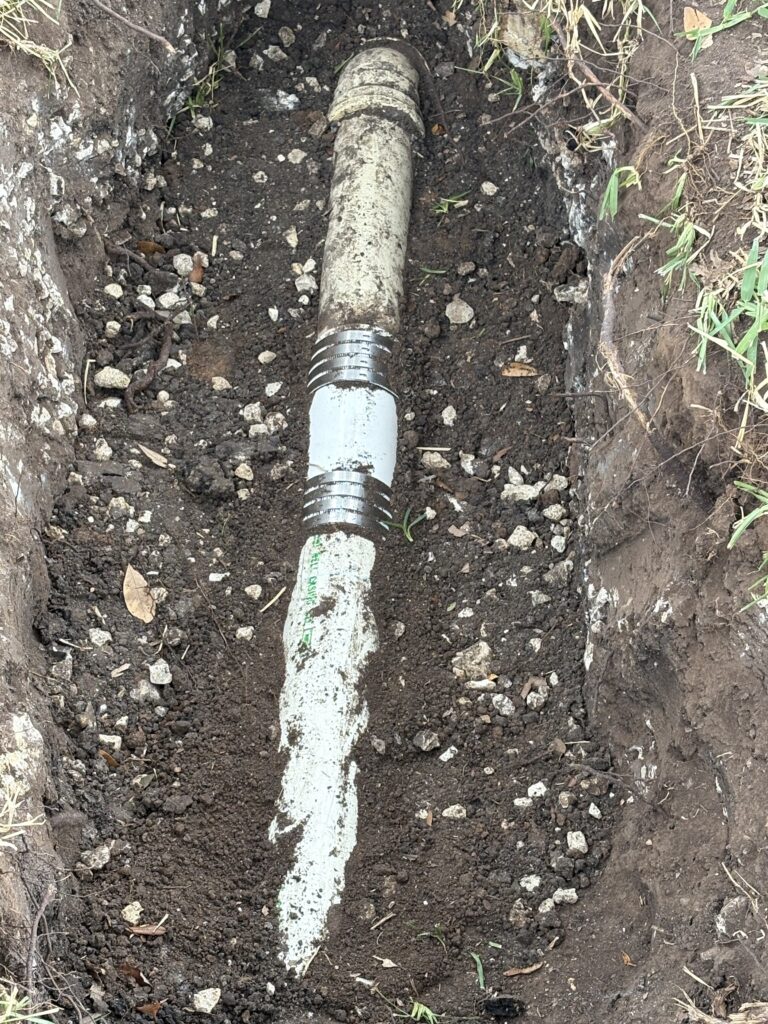
Slow drains throughout your home often signal that tree roots have started growing inside your sewer line. You might notice the kitchen sink takes longer to empty, or the bathtub drains sluggishly even after you clean the hair trap. Multiple drains acting up at the same time points to a main line problem rather than an isolated clog. Toilets that bubble or gurgle when you run the washing machine show that air is trapped behind a partial blockage somewhere downstream. These early signs usually appear weeks or months before a full backup occurs, which gives you time to act if you pay attention. Summer is the season when these warning signs become most noticeable because root growth accelerates with the heat. Catching the problem early can save thousands of dollars in repair costs.
Foul odors coming from your drains or yard during summer often indicate that sewer gas is escaping through a damaged section of pipe. Roots that have broken through the pipe wall create openings that allow waste and gas to seep into the surrounding soil. You may notice a sewage smell near a specific area of your lawn, especially after running water inside the house. Patches of grass that grow unusually green or lush in one spot can also point to a sewer leak feeding the roots from below. The same nutrients that fertilize your lawn act as a feast for the tree drawing from that broken pipe. Soggy spots in the yard during dry weather are another red flag that something underground is wrong. These outdoor signs combined with indoor drainage problems almost always mean roots have caused real damage.
Recurring backups in floor drains, basement drains, or the lowest fixtures in your home point strongly to a main sewer line issue. When roots fill enough of the pipe to slow the flow, water and waste back up at the lowest point first because that is where pressure builds. You might clear the drain with a plunger or store-bought product, only to see the same backup return within days or weeks. This pattern shows that the underlying cause has not been removed, and roots will continue to grow until the pipe is professionally cleaned. Summer storms can make this problem dramatically worse by pushing extra water into a pipe that is already partially blocked. A single heavy rain after weeks of drought can cause a complete sewer backup overnight. Need help with a clogged main line? Click here for our drain cleaning service.
The Long Term Damage From Tree Roots Invading Your Sewer Line In Summer
Roots that go untreated through a Texas summer can cause structural damage to your sewer line that requires full replacement. As roots grow inside the pipe, they expand and put pressure on the pipe walls from within. Clay and cast iron pipes crack under this pressure, while PVC pipes can separate at the joints where roots have wedged themselves in. The longer the roots stay inside, the more material they catch and hold, which leads to bigger blockages and higher pressure inside the pipe. Eventually the pipe can collapse entirely, sending raw sewage into your yard or back into your home. Replacing a collapsed sewer line costs far more than treating root intrusion early. Summer is the worst time to ignore the problem because root growth peaks during the hottest months.
Water damage inside your home is one of the most expensive consequences of untreated sewer root intrusion. When the main line backs up, wastewater can rise through floor drains, tubs, showers, and toilets at the lowest level of your home. This contaminated water damages flooring, drywall, baseboards, and any personal belongings stored in the affected area. Mold growth begins within twenty-four to forty-eight hours of any water exposure, especially during humid Texas summers. The cost of cleanup and restoration after a major sewer backup often runs into tens of thousands of dollars. Homeowners insurance may not cover the damage if the cause is a known plumbing issue that was not addressed. Acting quickly when you see early warning signs protects both your home and your finances.
Yard damage and landscape destruction become unavoidable once a sewer line fails completely. Repair crews often have to dig long trenches to access the damaged pipe, which means torn-up lawns, broken sprinkler lines, and damaged landscaping. Mature trees themselves may need to be removed if their roots have caused the worst of the damage, which is heartbreaking for many homeowners. Trenchless repair methods can reduce some of the surface destruction, but the cost is still significant. Driveways, sidewalks, and patios sometimes have to be cut to reach the failing pipe underneath. Summer is also the worst time for outdoor excavation because of the extreme heat and ground hardness. Catching root intrusion early lets you avoid these expensive and disruptive repairs entirely.
How To Prevent Tree Roots From Invading Your Sewer Line In Summer
Stopping tree roots before they damage your sewer line takes a combination of regular inspection, smart landscaping, and proactive maintenance. Many homeowners wait until they have a major backup before calling a plumber, but by then the damage is already done. A professional camera inspection of your sewer line shows exactly what is happening inside the pipe and where any problems are forming. Summer is an ideal time to schedule this inspection because root growth is at its peak and any intrusion will be visible. Combining inspection with annual cleaning keeps your sewer line clear and gives roots no chance to take hold. Prevention costs a fraction of what emergency repair costs, and it protects your home from the worst-case scenarios.
Regular Inspections Prevent Tree Roots From Invading Your Sewer Line In Summer
A camera inspection sends a small waterproof camera through your sewer line to show the exact condition of the pipe from end to end. This technology lets a plumber see every joint, crack, root mass, and buildup along the entire run of your sewer system. The footage gives you a clear record of any problems and helps you make informed decisions about repair or maintenance. Inspections take less than an hour for most homes and cause no damage to your property. Homeowners in older neighborhoods around Cedar Park, Round Rock, and Georgetown should consider yearly inspections because of the age of their sewer lines. Summer scheduling makes sense because problems are easier to spot when root activity is high. Catching a small intrusion during inspection prevents it from growing into a full blockage by fall.
Knowing the location of your sewer line on your property helps you make smarter decisions about landscaping and tree placement. Older homes may not have clear documentation of where the line runs, and a sewer camera inspection can help map the path using a locator tool. Once you know where the pipe is, you can avoid planting trees and large shrubs directly above or beside it. Trees that are already in place near the line should be inspected more closely each year. Some homeowners choose to remove problem trees entirely if the species is known for aggressive root growth. Others install root barriers between the tree and the pipe to redirect future growth. Mapping your sewer line is a one-time investment that pays off for the life of your home.
Pairing inspection with regular maintenance gives your sewer line the best protection against root intrusion during summer and beyond. A plumber can recommend a maintenance schedule based on the age of your pipes, the trees on your property, and the history of any past problems. Some homes need annual cleaning, while others can go two or three years between treatments. Keeping a maintenance log helps you track what was done and when, which is useful if you ever sell the home or need to file an insurance claim. Skipping maintenance to save money almost always costs more in the long run when an emergency repair becomes necessary. Want a full inspection of your sewer system? Click here for our leak detection service.
Professional Cleaning Prevents Tree Roots From Invading Your Sewer Line In Summer
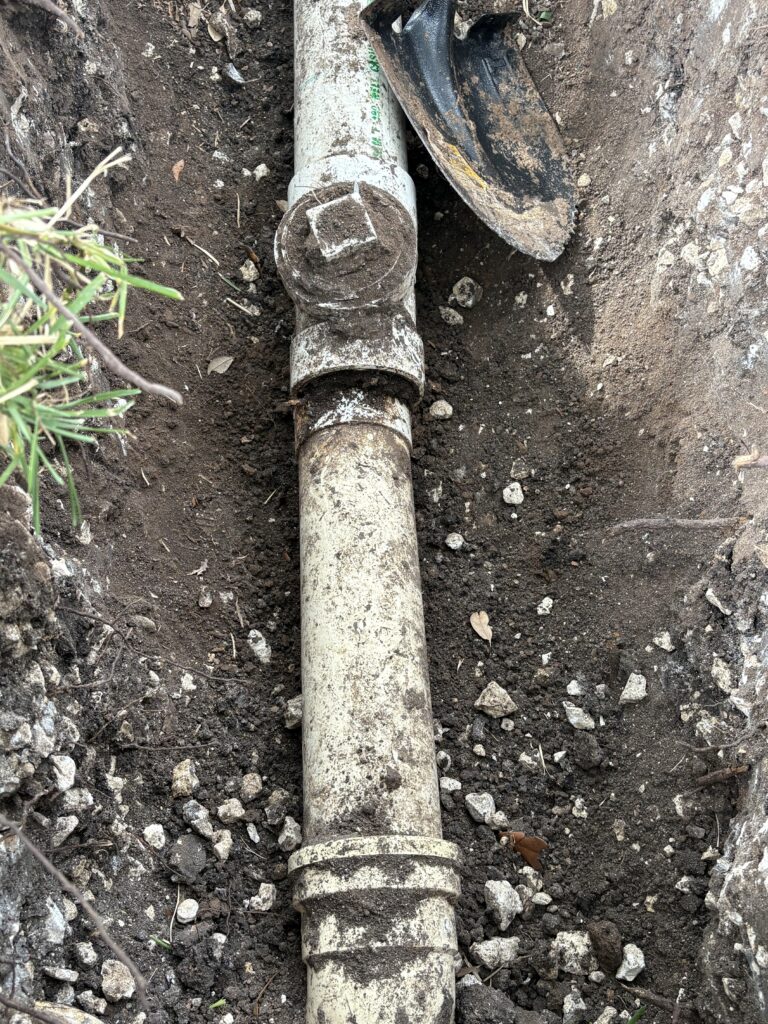
Hydro jetting is one of the most effective ways to remove tree roots from a sewer line before they cause permanent damage. This method uses high-pressure water to blast through root masses, grease, and other buildup inside the pipe. The water pressure can reach up to four thousand pounds per square inch, which is enough to cut through even thick root systems. Unlike snaking, which only punches a hole through the blockage, hydro jetting scrubs the inside of the pipe completely clean. The result is a sewer line that flows like new and resists future buildup for much longer. Summer is a great time to schedule hydro jetting because removing roots when growth is at its peak prevents fall and winter problems. Professional equipment and trained technicians make this a safe and effective option for most sewer lines.
Mechanical augers and cutting tools can also remove roots from your sewer line when used by an experienced plumber. These tools have sharp blades that spin through the pipe and slice through root masses as they go. Augers work well for clearing immediate blockages and restoring flow quickly during an emergency. However, mechanical cutting only removes the roots that are currently inside the pipe and does not prevent regrowth. Pairing mechanical cleaning with chemical treatment or hydro jetting gives much longer-lasting results. A plumber can recommend the right combination based on what the camera inspection reveals. Different situations call for different tools, and an experienced technician knows which approach fits your specific pipe.
Chemical root treatments offer a way to slow root regrowth inside your sewer line between professional cleanings. These products contain compounds that kill roots on contact without harming the tree itself or damaging the pipe. The treatment is poured into a toilet or drain and travels through the sewer system, coating the inside of the pipe as it goes. Roots that contact the treated surface die back and stop growing for several months. This is not a substitute for mechanical cleaning when roots are already causing blockages, but it works well as a preventive measure. Summer applications can help keep your line clear through the hottest months when root growth is most aggressive. Always use products recommended by a licensed plumber to avoid damaging your pipes or septic system.
Smart Landscaping Prevents Tree Roots From Invading Your Sewer Line In Summer
Choosing the right trees for your yard can prevent root intrusion problems before they ever begin. Slow-growing species with less aggressive root systems are much safer to plant near sewer lines and other underground utilities. Trees like Texas redbud, crepe myrtle, Mexican plum, and yaupon holly stay smaller and have roots that cause fewer problems. Larger shade trees like live oak and pecan should be planted as far from your sewer line as possible, ideally at least twenty feet away. Some homeowners work with a landscaper to plan their yard around the location of underground utilities. Taking root systems into account during landscaping decisions saves years of frustration and expense later. Local nurseries can recommend species that thrive in Central Texas without threatening your plumbing.
Root barriers offer a physical solution that stops roots from reaching your sewer line as they grow outward from a tree. These barriers are usually made of thick plastic or metal and installed vertically in the soil between the tree and the pipe. When roots hit the barrier, they redirect downward or sideways instead of continuing toward the pipe. Proper installation requires trenching to a depth of at least two to three feet, which puts the barrier deep enough to block most root activity. Existing trees can be protected this way without removing them, which is good news for homeowners who love their mature landscape. Barriers work best when installed before roots have reached the sewer line, but they can still help even after some intrusion has occurred. A landscaping professional or experienced plumber can advise on the right placement.
Watering your trees during dry summer months can actually reduce the risk of root intrusion into your sewer line. When trees have access to surface water, they have less reason to send roots searching deeper for moisture sources. Deep watering once a week during drought conditions encourages roots to stay near the surface rather than traveling down toward your pipes. Mulching around the base of trees also helps retain soil moisture and reduce stress on the root system. Avoid letting trees go without water for long stretches of summer, especially during severe drought years. Healthy, well-watered trees pose less risk to your plumbing than stressed, thirsty trees. Simple watering habits can protect both your landscape and your sewer line at the same time.
Why You Need Whitestone Plumbing For Tree Root Sewer Line Service
When tree roots invade your sewer line during a Cedar Park summer, you need a plumber who knows exactly how to handle the problem from start to finish. Whitestone Plumbing brings over twenty years of experience to every sewer line job, with the right equipment to diagnose, clean, and repair any pipe in the area. We serve homeowners across Round Rock, Leander, Pflugerville, Austin, Georgetown, Hudson Bend, Jonestown, and Lago Vista with fast, honest service. Our team uses camera inspections, hydro jetting, and trenchless repair methods to fix the problem with the least possible disruption to your home and yard. Free estimates and clear pricing mean you always know what to expect before any work begins. Twenty-four hour emergency service is available when a sewer backup cannot wait until morning.
Local Expertise For Tree Root Sewer Line Service In Cedar Park
Whitestone Plumbing has worked on sewer lines throughout the Cedar Park area for over two decades, and that local experience makes a real difference. We know which neighborhoods have older clay pipes and which areas were built with modern PVC systems. Our team has seen every type of root intrusion that Central Texas trees can cause, from small hair roots in joints to massive root masses that fill entire pipe sections. This experience helps us diagnose problems quickly and recommend the right solution the first time. Local knowledge also means we understand the soil conditions, drainage patterns, and tree species that affect each part of our service area. You get a plumber who has solved your exact problem many times before.
Our technicians are licensed, insured, and backflow certified, which protects you and your home throughout every job. Every member of the team receives ongoing training on the latest tools, methods, and safety standards in the plumbing industry. We use professional camera inspection equipment to give you a clear picture of what is happening inside your sewer line. Our hydro jetting trucks carry the high-pressure equipment needed to remove even the toughest root masses without damaging your pipes. When repairs are needed, we offer both traditional and trenchless options based on the condition of your line. You get the right tool for the job, not whatever happens to be on the truck.
We treat every customer with the same respect and honesty that built our reputation in the Cedar Park area. Free estimates mean you can get an expert opinion on your sewer line without any pressure to commit. Clear, upfront pricing means no surprises when the work is done and the bill arrives. Our five star service standard guides everything from the first phone call to the final cleanup after a repair. Locally owned and operated means the people answering your call live and work in the same community you do. That accountability shows up in the quality of every job we complete.
Fast Emergency Response For Tree Root Sewer Line Service
Sewer line problems often turn into emergencies overnight, and Whitestone Plumbing is ready to respond around the clock. A summer backup can flood your home with contaminated water in just a few hours if no one acts quickly. Our twenty-four hour emergency service means you can reach a licensed plumber any time of day or night. We arrive with the equipment needed to diagnose the problem on the first visit, including cameras and cleaning tools. Fast response can mean the difference between a minor cleanup and a major restoration project. We make emergency calls a priority because we know how stressful these situations are for homeowners.
Camera inspection is the first step in most emergency sewer calls because it shows us exactly what we are dealing with. Within minutes of arriving, we can run a camera through your line and identify the location and severity of any blockage. This saves time and prevents unnecessary digging or guesswork during the repair. The footage also helps you understand the problem and make informed choices about the next steps. We share the camera view with you so you can see for yourself what is happening underground. Transparency builds trust, and trust is the foundation of every Whitestone Plumbing relationship.
Hydro jetting and mechanical cleaning often resolve emergency sewer backups on the same visit. Our trucks carry the equipment needed to clear most root intrusions and restore flow right away. For situations where the pipe itself is damaged beyond cleaning, we can discuss repair options on the spot and schedule the work as quickly as possible. Need emergency help with a sewer backup? Click here for our burst pipe repair service. Quick action protects your home and limits the damage that a major backup can cause. Our team is ready to help any hour of any day.
Why Choose Whitestone Plumbing For Tree Root Sewer Line Service
Whitestone Plumbing has built a reputation across Central Texas for honest pricing, expert work, and dependable service. Over twenty years of plumbing experience stand behind every job we complete, from minor cleanings to major repairs. Our locally owned and operated business answers to the same neighbors we serve, which keeps our standards high every single day. Backflow licensed and certified technicians bring specialized training to every sewer line call. Free estimates and clear pricing make it easy to get the help you need without worrying about hidden fees. Five star service is the goal on every job, every time.
We invest in the best tools and training so our team can handle any sewer line problem that comes up. Camera inspection equipment, hydro jetting trucks, mechanical augers, and trenchless repair tools all give us options that smaller shops cannot match. This range of equipment means we can pick the right solution for your specific situation instead of forcing a one-size-fits-all approach. Continued training keeps our technicians ready for new pipe materials, repair methods, and industry best practices. You get a modern, well-equipped plumber with the experience to use every tool effectively. That combination is hard to find in any service business.
Choosing Whitestone Plumbing means choosing a team that genuinely cares about getting the job done right. We answer the phone, show up on time, and finish the work to a standard we would expect in our own homes. Our customers in Cedar Park, Round Rock, Georgetown, Austin, and the surrounding communities know they can count on us when problems arise. Twenty-four hour emergency service, free estimates, and clear pricing all reflect the way we want to do business. Call (512) 826-6217 today to schedule a sewer line inspection or to get help with an active backup. Whitestone Plumbing is here to protect your home from the damage that tree roots can cause this summer and every season after.