
What To Do Immediately If A Pipe Bursts In Your Home
The sound of rushing water inside your home when no faucets are running is one of the most terrifying noises a homeowner can hear. It triggers an immediate biological response of panic and confusion. You might see water spreading across your hardwood floors, soaking into your carpet, or dripping rapidly through a light fixture in the ceiling. In that moment, the safety and security of your sanctuary are breached by the very element that makes it livable. A burst pipe is a catastrophic event that can cause thousands of dollars in damage within minutes. The speed at which you react determines the extent of the destruction. Every second the water runs is another second that your drywall, insulation, and electrical systems are compromised.
Panic is the enemy in this scenario. While it is natural to feel overwhelmed, you must override that emotion with decisive action. You need a plan. Knowing exactly what steps to take before the plumber arrives can save your home from becoming a total loss. Residents in Cedar Park are no strangers to this threat, particularly after recent years of unexpected freeze events that pushed plumbing systems past their breaking points. Whether the burst is caused by freezing temperatures, old corroded pipes, or a sudden spike in water pressure, the immediate response protocols remain the same.
Your goal in the first few minutes is containment. You must stop the flow of water and stabilize the environment to prevent injury and further property loss. This requires a cool head and a basic knowledge of your home’s plumbing layout. It is not the time to worry about the cost of repairs or how long the renovation will take; it is the time to stop the bleeding. By following a strict sequence of emergency procedures, you take control of the chaos and pave the way for a successful recovery.
Shut Off the Main Water Supply
The absolute first step, the moment you suspect a burst pipe, is to kill the water supply to the entire house. Do not waste time trying to find buckets or towels while the water is still running. You must stop the source. If you know exactly which fixture is leaking—for example, if a supply line under a specific sink has snapped—you can try to turn the isolation valve located under that sink. However, these valves are often stuck from disuse. In the high-stress environment of a burst pipe, it is safer and faster to go straight for the main shut-off valve.
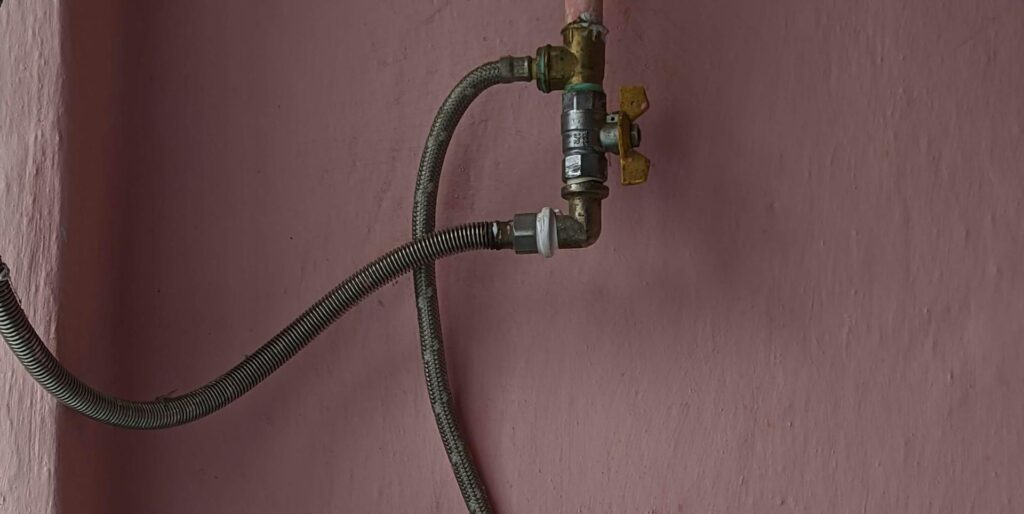
For most homes in Cedar Park, the main water shut-off valve is located in one of two places. It might be in the garage, usually on a pipe coming out of the wall near the water heater or laundry area. It will be a lever or a wheel handle. If it is a lever, pull it until it is perpendicular to the pipe. If it is a wheel, turn it clockwise until it stops. If you cannot find a valve inside or near the house, you must go to the street. Your water meter is housed in a box (usually concrete or plastic) near the curb. Inside that box, there is a valve on the street side of the meter. You may need a specialized water meter key or a pair of pliers and a screwdriver to turn this valve.
Turning off the main water supply stops the pressurized flow of fresh water into your home. The sound of rushing water should cease almost immediately, though some residual water will drain out. This single action is the most important thing you will do. It caps the damage at its current level. If you have not located your main shut-off valve prior to an emergency, make it a priority to find it today. Knowing where it is and having the tool to turn it can save you tens of thousands of dollars in restoration costs.
Cut the Electricity
Water and electricity are a deadly combination. Once the water is off, your next immediate concern is safety. If the water has encroached on any electrical outlets, power strips, or appliances, the risk of electrocution is high. Even if you do not see standing water near an outlet, water traveling inside walls can soak electrical wiring and junction boxes hidden from view. A wet ceiling light fixture is a major hazard.
Go to your electrical breaker panel, which is typically located in the garage, a utility room, or a hallway. If the water damage is localized to a specific room, you can turn off the breakers for that specific area. However, if the flooding is extensive or if you are unsure where the water has traveled, the safest course of action is to flip the main breaker to the “Off” position. This cuts power to the entire house. It might be inconvenient to be in the dark, but it eliminates the risk of fire and shock.
Do not touch the breaker panel if you have to stand in water to reach it or if the panel itself is wet. In that extreme scenario, you must evacuate the home and call the utility company to cut power from the outside. Your life is worth more than the house. Assuming the panel is safe to access, killing the power protects your home’s electrical infrastructure from short-circuiting and corrosion, which simplifies the eventual repair process.
Drain the Remaining Water
Shutting off the main valve stops new water from entering the system, but your pipes are still full of water. If the burst pipe is on a lower floor, gravity will continue to force the water remaining in the upper pipes out through the break. To minimize this residual leakage, you need to drain the plumbing system. This is done by opening the faucets in your home.
Start by opening the cold water faucets on the lowest level of your home, such as a basement sink or an outdoor spigot. Then, move to the upper floors and open the faucets there as well. This introduces air into the pipes, breaking the vacuum and allowing the water to drain harmlessly out of the lowest open faucet rather than through the burst pipe in your wall or ceiling. Flush every toilet in the house to empty the tanks.
By purging the system, you relieve the internal pressure that might be pushing water out of the rupture. It effectively empties the reservoir that is feeding the leak. This step only takes a few minutes but can prevent gallons of water from spilling onto your floors. Once the water stops flowing from the lowest faucet, you know the pipes are empty and the immediate threat of active leaking is over.
Locate the Source of the Leak
With the water off and the pipes drained, you can now take a moment to investigate the source of the problem. Finding the exact location of the burst pipe is helpful for the plumber who will be arriving shortly. Look for the physical evidence: a wet spot on the drywall, a puddle spreading from under a cabinet, or the sound of dripping. If the burst was caused by freezing, checking the pipes in unheated areas like the attic, garage, or crawl space is a good place to start.
Be careful during this inspection. Ceiling drywall that is saturated with water is heavy and can collapse without warning. If you see a bulging “blister” in the ceiling paint, do not stand directly under it. You may need to poke a small hole in the center of the bulge with a screwdriver to release the trapped water into a bucket, preventing the entire ceiling sheet from falling down. If the leak is behind a wall, you might feel a cold spot or notice the baseboards separating from the drywall.
Do not tear open walls indiscriminately unless you are certain of the leak’s location and have the tools to do so safely. Your goal is simply to identify the area so you can direct the plumber and clearing the workspace for them. If the burst pipe is accessible, take a picture of it. This can help the plumber understand the materials and the extent of the failure before they even walk through the door.
Call a Professional Plumber Immediately
A burst pipe is beyond the scope of a DIY repair. It requires cutting out the damaged section and soldering or fusing new pipe in place, often in tight, hard-to-reach spaces. You need a licensed emergency plumber who can respond immediately. In Cedar Park, Whitestone Plumbing offers 24/7 emergency services specifically for these types of disasters. Do not wait until the next morning or Monday business hours. The sooner the repair is made, the sooner you can turn the water back on and begin the drying process.
When you call, be clear that you have a plumbing emergency. Tell the dispatcher that you have shut off the water and describe the location of the leak if you found it. Ask for an estimated time of arrival. A professional plumbing team will arrive with a fully stocked truck, ready to handle copper, PEX, or PVC repairs on the spot. They will also be able to inspect the rest of your plumbing system to ensure there are no other compromised areas, which is common during freeze events.
While waiting for the plumber, clear the path to the main water shut-off and the leak site. Move furniture, rugs, and boxes out of the way. This allows the plumber to get to work instantly upon arrival, saving time and money. If you have pets, secure them in a safe room so they do not get in the way or get injured by tools and debris.
Start Mitigating Water Damage
You do not have to wait for the plumber to start cleaning up. Water that sits on your floors is actively causing damage. Hardwood floors begin to cup and warp within hours. Carpets soak up water and ruin the padding underneath. Laminate flooring swells and peels. The faster you remove the standing water, the better your chances of saving your flooring.
Use a wet-dry vacuum if you have one to suck up the bulk of the water. If not, use mops, old towels, and buckets. Focus on soaking up the water around the perimeter of the room where it might be seeping under baseboards and into the drywall. If the weather permits, open windows to encourage air circulation. Turn on ceiling fans and set up portable fans to blow air across the wet surfaces.
Do not use your central HVAC system if the water damage is near the intake vents or if you suspect mold has already started to grow (though this is unlikely in the first few hours). You do not want to circulate moisture or spores through the ductwork. If you have a dehumidifier, set it up in the wettest room and run it on its highest setting. Every drop of water you remove manually is a drop that doesn’t have to be removed by an expensive restoration crew later.
Warm the Home (If Freezing)
If the pipe burst due to freezing temperatures, which is a common occurrence during Texas winters, you need to carefully manage the temperature of the home. Once the water is off and the leak is stopped, try to raise the temperature in the house to help dry out the structure and prevent other pipes from freezing. Open cabinet doors under sinks to allow warm air to circulate around the plumbing.

However, be cautious if you are using space heaters. Do not place them near wet materials or in standing water. If your heating system is gas-powered and you suspect any damage to gas lines (which is rare but possible during structural shifts), do not turn it on until a professional has cleared it. If the power is out, your options are limited, but keeping the interior as warm as possible is key to preventing a secondary burst in another part of the house.
Contact a Water Restoration Company
A plumber fixes the pipe, but they do not fix the water damage. For significant flooding, you will need a professional water mitigation and restoration company. These companies have industrial-grade air movers, dehumidifiers, and moisture meters. They can detect water trapped inside walls and under cabinets that you cannot reach.
Water that is not properly dried will lead to mold growth, usually within 48 hours. Mold remediation is far more expensive and dangerous than water extraction. A restoration crew will remove the wet drywall, pull up the wet carpet pad, and treat the area with antimicrobial agents to prevent mold. Whitestone Plumbing can often recommend trusted local restoration partners in Cedar Park who work well with insurance companies.
Getting a restoration team on-site quickly is the final step in the emergency response. It marks the transition from crisis management to recovery. They will take over the drying process, allowing you to focus on dealing with the insurance claim and getting your life back to normal.
A burst pipe is a traumatic event that tests the resilience of any homeowner. The sudden intrusion of water into your living space creates a sense of violation and urgency that is hard to shake. However, the actions you take in the first hour following the break are the deciding factors in how quickly and affordably you recover. By shutting off the water, cutting the power, and draining the system, you arrest the damage before it destroys the structural integrity of your home. These simple, decisive steps save thousands of dollars and weeks of reconstruction time.
For residents of Cedar Park, the threat of plumbing failures due to weather and aging infrastructure is real. Being prepared means knowing where your main valve is and having a trusted professional ready to call. Whitestone Plumbing is dedicated to being that partner for our community. We provide the rapid response and expert repair services you need when disaster strikes. We turn the chaos of a burst pipe into a managed, solvable problem.
If you find yourself standing in water, do not hesitate. Shut it off, drain it down, and call Whitestone Plumbing immediately. We are ready to deploy 24/7 to protect your home and restore your peace of mind. Your home is your most valuable asset; treat a burst pipe with the speed and seriousness it demands, and let us handle the rest.