The Most Common Plumbing Mistakes Homeowners Make
Home ownership comes with a sense of pride and a never-ending list of responsibilities. There is a natural desire to maintain the property and fix issues as they arise, often with the goal of saving money and learning new skills. This do-it-yourself spirit is admirable and can be sufficient for tasks like painting a room or landscaping the yard. However, when it comes to the complex infrastructure of plumbing, good intentions often lead to expensive disasters. Plumbing systems operate on precise principles of fluid dynamics, pressure, and gravity. They are unforgiving of errors. A small miscalculation in a pipe connection or a misunderstanding of how a drain works can result in catastrophic water damage that costs far more than hiring a professional would have.
Many plumbing mistakes stem from misconceptions passed down through generations or bad advice found online. Homeowners often treat symptoms rather than the root cause, or they use tools and chemicals that are too harsh for residential systems. In Cedar Park, where the water is hard and the soil shifts, the margin for error is even smaller. Local plumbing systems are already under stress from environmental factors, and improper maintenance practices can push them to the breaking point. Understanding these common pitfalls is the first step toward protecting your home from preventable damage.
The consequences of plumbing errors are rarely immediate. A poor repair might hold for a week or a month, giving the homeowner a false sense of accomplishment. It is only when the slow leak rots the subfloor or the chemical cleaner eats through the pipe that the true cost becomes apparent. By identifying the behaviors and habits that put plumbing systems at risk, homeowners can adjust their approach, preserving the integrity of their pipes and the value of their investment. It is about recognizing the limits of DIY knowledge and knowing when to call in an expert.
Treating the Garbage Disposal Like a Trash Can
The garbage disposal is perhaps the most misused appliance in the modern kitchen. Its name suggests that it can handle any type of waste, but in reality, it is designed for small amounts of soft, biodegradable food residue. Many homeowners habitually scrape their entire dinner plates into the sink, forcing the disposal to grind up bones, fibrous vegetables, and starchy leftovers. This practice is a recipe for a clogged drain and a burnt-out motor.
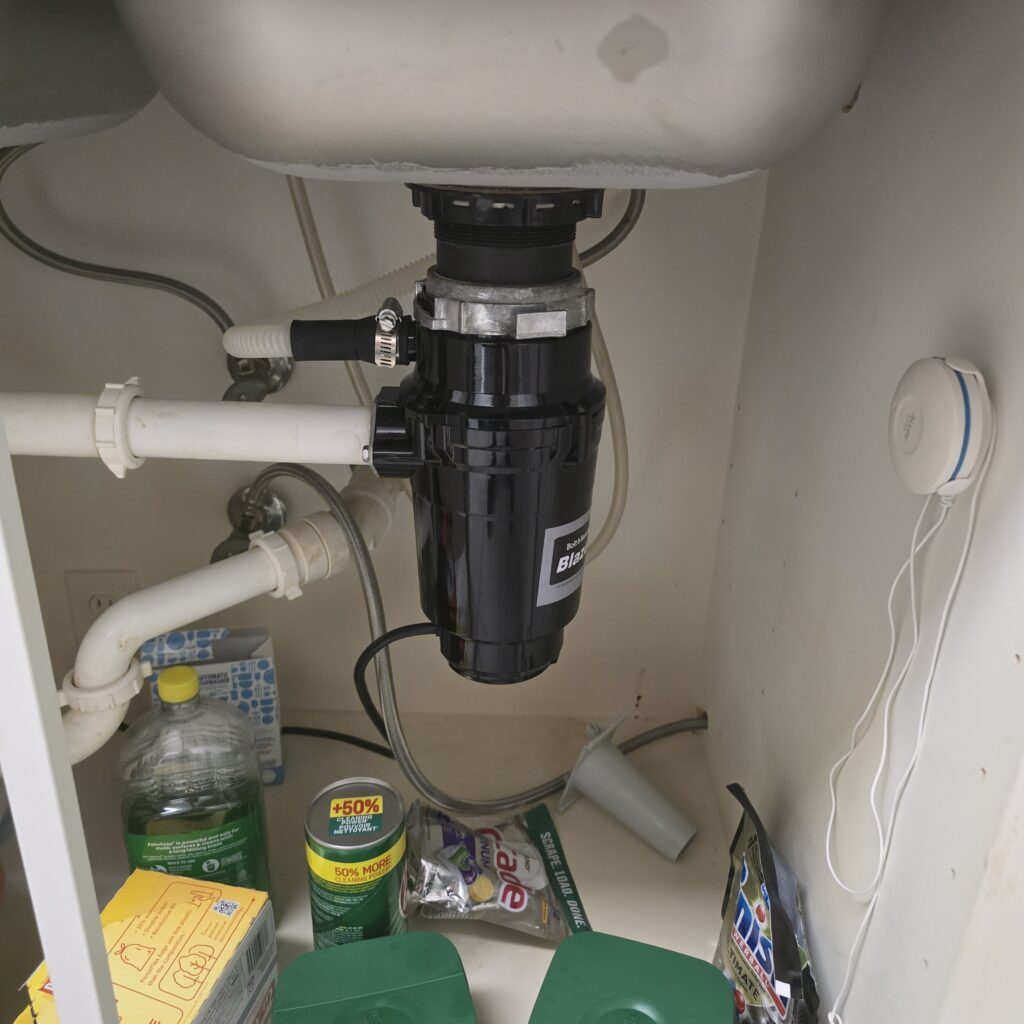
Fibrous foods like celery, corn husks, onion skins, and artichokes are particularly dangerous. The disposal does not have sharp blades that chop like a blender; it has impellers that mash food against a grind ring. Fibrous strands can slip past the grind ring untouched or wrap around the impeller arms, jamming the unit. Once past the disposal, these fibers act like a net in the drainpipe, catching other debris and creating a stubborn blockage. Starchy foods like pasta, rice, and potato peels are equally problematic. They turn into a thick, glue-like paste when mixed with water, coating the inside of the pipes and slowing down drainage.
Eggshells and coffee grounds are other common offenders. There is a myth that eggshells sharpen the blades and coffee grounds clean the smell. In truth, the membrane inside the eggshell can stick to the shredder ring, and the shell itself grinds into a sand-like sediment that settles in the pipes. Coffee grounds are heavy and oily; they accumulate in the P-trap and create dense clogs that are difficult to clear. The garbage disposal should only be used for the small scraps that remain after scraping the bulk of the waste into the trash or compost bin.
The Danger of Liquid Drain Cleaners
When a sink or shower drains slowly, the impulse to buy a bottle of chemical drain cleaner is strong. It seems like a cheap, easy solution that avoids the hassle of using a plunger or calling a plumber. However, reliance on these caustic chemicals is one of the most damaging mistakes a homeowner can make. Chemical drain cleaners work by generating heat through a chemical reaction to dissolve organic matter. This heat can be intense enough to warp or melt plastic PVC piping, leading to leaks at the joints.
In older homes with metal pipes, the corrosive nature of these cleaners eats away at the inner walls of the plumbing. They can accelerate rust and create pinhole leaks. If the clog is not cleared completely, the chemical sits in the pipe, gnawing at the material for days. Furthermore, these products rarely solve the underlying issue. They might burn a small hole through the sludge, restoring flow temporarily, but they leave the bulk of the buildup behind. The clog inevitably returns, leading to a cycle of repeated chemical use that compounds the damage.
There is also a significant safety risk. These chemicals are toxic and can cause severe burns to skin and eyes. If a plumber is eventually called to clear the drain, they are put at risk if they are not informed that chemicals were used. The splashing water during the snaking process can carry dangerous acids. Mechanical removal of clogs using a plunger or a drain snake is always the safer and more effective method for both the homeowner and the plumbing system.
Overtightening Connections
In the world of plumbing, there is a common misconception that tighter is always better. Homeowners often use all their strength to crank down on bolts, nuts, and supply lines, believing that this will prevent leaks. Unfortunately, overtightening is a leading cause of plumbing failures. Most residential plumbing connections rely on rubber washers, O-rings, or compression fittings to create a watertight seal. These components are designed to work under a specific amount of pressure.
When a connection is overtightened, the rubber washer can be crushed or distorted. Instead of sealing the gap, the deformed washer allows water to pass through, causing the very leak the homeowner was trying to prevent. In the case of porcelain fixtures like toilets, overtightening the bolts that secure the tank to the bowl or the bowl to the floor can crack the porcelain. A cracked toilet cannot be repaired; it must be replaced entirely.
With metal fittings, excessive force can strip the threads or crack the fitting itself. Plastic fittings are even more susceptible to stress fractures. The general rule for most plumbing connections is “hand-tight plus a quarter turn.” Using a giant pipe wrench on a delicate faucet supply line is overkill that often results in broken parts. Developing a feel for the appropriate amount of torque takes experience, and it is better to under-tighten slightly and adjust if a drip appears than to ruin the fixture immediately with brute force.
Ignoring the Water Heater
The water heater is the workhorse of the home, yet it is frequently ignored until the shower runs cold. Neglecting water heater maintenance is a costly mistake, especially in Cedar Park where the water is mineral-rich. As water is heated, calcium and magnesium precipitate out and settle at the bottom of the tank. If this sediment is not flushed out annually, it hardens into a rock-like layer.
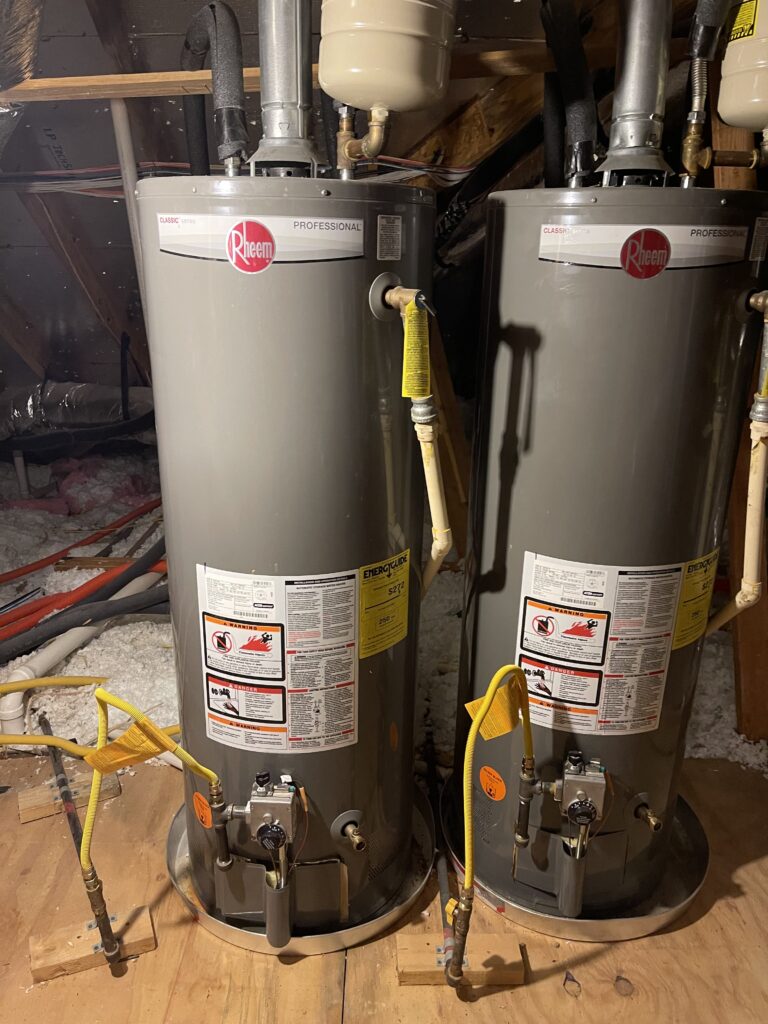
This sediment layer acts as an insulator between the burner and the water. The water heater has to run longer and hotter to heat the water through the sediment, driving up energy bills and overheating the metal tank bottom. This thermal stress eventually causes the tank to crack and leak. Homeowners often skip the annual flush because they are intimidated by the process or simply forget, but this small task can double the lifespan of the unit.
Another overlooked component is the anode rod. This sacrificial metal rod is designed to rust so that the tank does not. Once the rod is depleted, the corrosive elements in the water attack the steel tank. Failing to check and replace the anode rod is the primary reason for premature tank failure. Homeowners who assume the water heater is a “set it and forget it” appliance are usually the ones facing an emergency replacement five years sooner than necessary.
Misunderstanding the Toilet’s Capabilities
The toilet is designed to dispose of two things: human waste and toilet paper. Yet, many people treat it as a secondary trash can. The widespread use of “flushable” wipes is a major source of plumbing headaches. Despite the marketing claims, these wipes do not disintegrate in water like toilet paper. They remain intact and can snag on any imperfection in the sewer line, creating massive blockages.
Cotton balls, swabs, dental floss, and feminine hygiene products are also frequently flushed. These items are non-biodegradable and can expand when wet. Dental floss is particularly insidious because it can wind around other debris, binding it together into a solid mass that a plunger cannot move. Even flushing facial tissues is a mistake; they are treated with wet-strength binders that prevent them from breaking down quickly.
The belief that “if it goes down, it’s gone” is false. These items may leave the bowl, but they often get stuck in the trapway or the lateral line under the yard. Clearing these blockages often requires pulling the toilet or using a heavy-duty sewer machine. Educating the household on what can and cannot be flushed is a simple way to avoid messy and expensive backups.
Improper Installation of P-Traps and Vents
When homeowners undertake bathroom or kitchen renovations, they often attempt to rework the drain plumbing under the sink. A common mistake is the installation of improper traps. The P-trap is designed to hold a small amount of water that creates a seal against sewer gases. However, DIYers sometimes install “S-traps” or complex, winding pipe configurations that violate plumbing codes. S-traps can siphon the water out of the seal, allowing dangerous methane and sewer smells to enter the home.
Venting is another concept that is frequently misunderstood. For water to flow smoothly down a drain, air must follow it. This is the purpose of the vent stack that goes through the roof. If a new fixture is installed without proper venting, it will drain slowly or gurgle. The vacuum created by the flowing water can pull the water out of nearby traps.
Using accordion-style flexible pipes is another shortcut that should be avoided. These pipes are sold at hardware stores as an easy fix for misaligned drains, but the ridges inside the pipe trap grease and hair, leading to frequent clogs. They are also prone to cracking. Solid, smooth-walled pipe is the only correct material for drain lines. Proper slope and venting are matters of physics, not just preference, and getting them wrong compromises the sanitary safety of the home.
Mismatching Pipes and Materials
Plumbing materials have evolved over the years, and many homes contain a mix of copper, galvanized steel, PVC, and PEX. A common mistake occurs when a homeowner connects two different types of metal piping without a dielectric union. When copper acts directly with galvanized steel, for instance, a chemical reaction called electrolysis occurs. This galvanic corrosion eats away at the steel pipe rapidly, causing leaks and effectively welding the pipes together with rust.
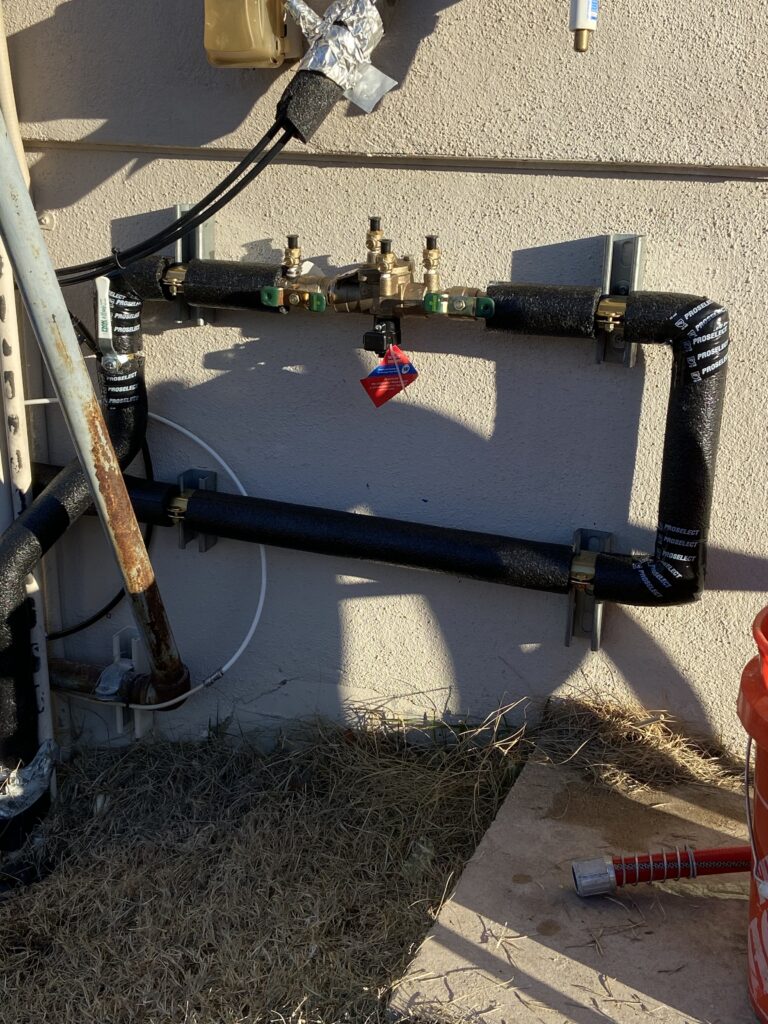
Plastic pipes also have specific compatibility rules. You cannot use regular PVC glue on CPVC pipes, or vice versa. The solvents are chemically different and will not create a strong bond, leading to joint failure under pressure. Furthermore, relying on “SharkBite” or push-to-connect fittings for permanent repairs inside walls is risky. While these fittings are excellent for temporary fixes or accessible areas, the O-rings can eventually fail.
Knowing which materials work together and which glues, solders, or fittings are required is a critical part of plumbing. Guessing or using whatever is handy in the garage often leads to chemical incompatibilities that degrade the system over time.
Failing to locate the Main Shut-Off Valve
Perhaps the most preventable mistake is simply not knowing how to turn the water off. In the event of a burst pipe or a leaking supply line, speed is essential. Every minute the water runs causes more damage to floors, walls, and furniture. Many homeowners do not know where their main water shut-off valve is located, or they haven’t tested it in years.
Valves that are never turned can seize up due to mineral deposits. When an emergency strikes, the homeowner rushes to the valve only to find it stuck frozen. It is crucial to locate the main valve—usually in the garage, near the street, or in a utility closet—and tag it clearly. It should be turned off and on once a year to ensure it moves freely.
Similarly, knowing the location of isolation valves for toilets and sinks is important. If a faucet blows a seal, you should be able to turn off the water to just that fixture rather than shutting down the whole house. Being unprepared for an emergency turns a minor inconvenience into a major restoration project.
Plumbing is a trade that requires training, experience, and respect for the laws of physics. While the desire to maintain your own home is commendable, the stakes are high when water is involved. The mistakes outlined above—from chemical drain cleaners to overtightened bolts—are common because they seem like intuitive or easy solutions. However, they all lead to the same destination: increased costs, property damage, and frustration.
Homeowners in Cedar Park can save themselves significant stress by adopting a “do no harm” approach. This means using the garbage disposal sparingly, avoiding harsh chemicals, and knowing when a project is beyond their skill level. It means valuing preventative maintenance on water heaters and valves. The goal is to preserve the home’s systems for the long haul, not just to apply a quick bandage.
When in doubt, the smartest move is to call a professional. Whitestone Plumbing is dedicated to helping Cedar Park residents avoid these pitfalls. We provide expert advice, quality repairs, and the peace of mind that comes from knowing the job is done right. Whether you need to undo a DIY mistake or want to prevent one from happening, our team is ready to serve. Trusting your plumbing to experts is the best way to protect your home.