
How Water Heater Expansion Tanks Protect Your System
Most homeowners in Cedar Park view their water heater as a static appliance that simply sits in the garage or attic and quietly does its job. You turn on a faucet, and hot water comes out. However, beneath the metal casing, a dynamic and powerful physical process occurs every time the burner fires up. Water heaters are essentially pressure vessels. They take cold water and add intense heat, which triggers a fundamental law of physics known as thermal expansion. When water heats up, it expands in volume. In the past, this extra volume could harmlessly push back into the municipal water supply, but modern plumbing codes and safety devices have changed the architecture of our home plumbing systems. This has created a closed loop where that excess pressure has nowhere to go but against the walls of your pipes and the tank itself.
The solution to this invisible threat is a small, often overlooked device called a thermal expansion tank. It usually looks like a small propane tank or a melon-sized metal bulb sitting on the cold water supply line above the water heater. Despite its modest appearance, this component plays a critical role in preserving the structural integrity of your entire plumbing system. It acts as a shock absorber, handling the fluctuations in volume and pressure that occur dozens of times a day. Without it, your home is subjected to a cycle of stress that accelerates wear and tear on everything from the water heater tank to the washers in your kitchen faucet.
Understanding the function of an expansion tank requires looking at the plumbing system as a whole rather than a collection of isolated parts. It is about pressure management. Just as you would not drive a car without suspension, you should not operate a water heating system without a mechanism to handle the hydraulic forces at play. For residents in Cedar Park, where water pressure can be high and plumbing systems are often equipped with backflow preventers, the expansion tank is not an optional accessory. It is a vital safeguard that prevents premature failure and costly water damage.
The Physics of Thermal Expansion
Water is technically incompressible. Unlike air, which can be squeezed into a smaller space, water retains its volume under pressure. However, water does change volume with temperature. When water is heated from fifty degrees to one hundred and twenty degrees, it expands by approximately two percent. In a standard fifty-gallon water heater, this expansion equates to roughly a half-gallon of extra water volume. While a half-gallon does not sound like much, inside a rigid container like a water heater tank or copper piping, that extra liquid creates a massive spike in pressure.
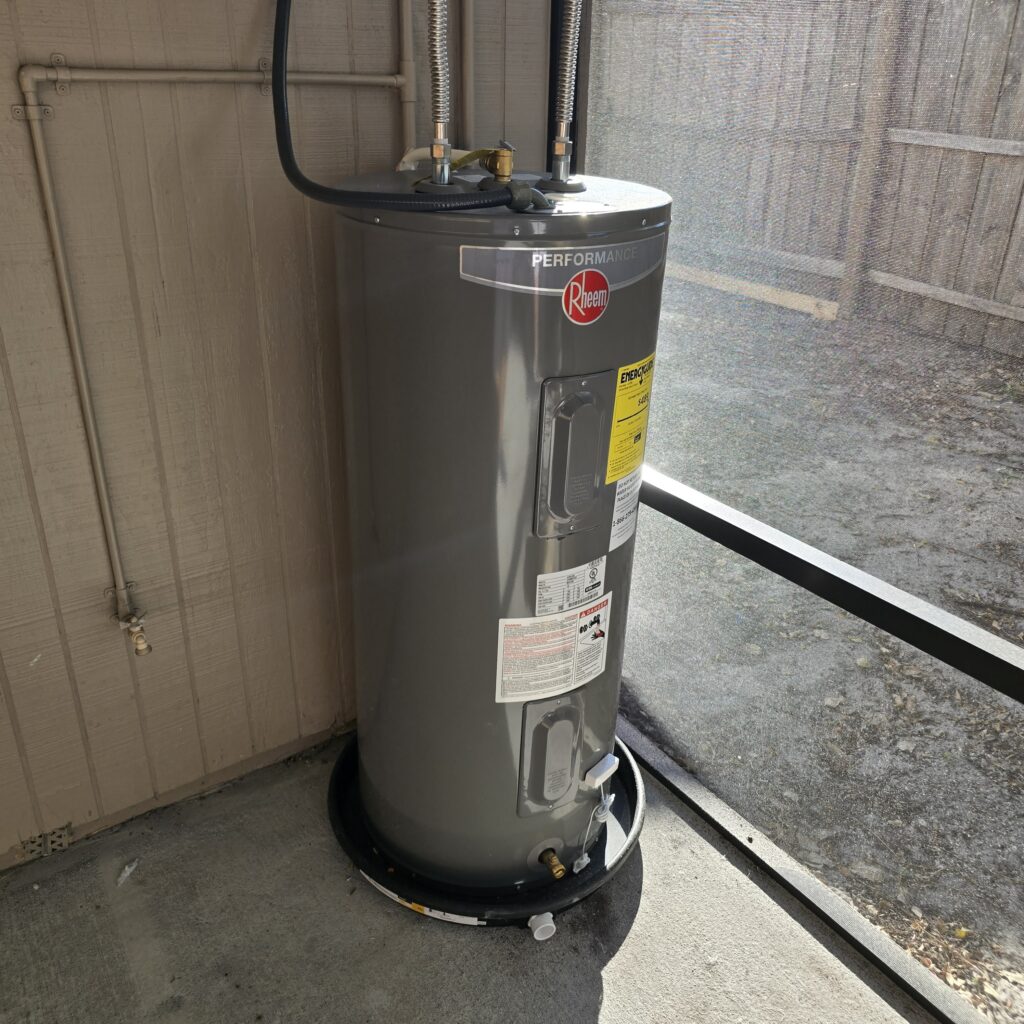
In an open plumbing system, this extra water would simply expand backward through the cold water inlet, past the water meter, and into the city main. The municipal system is large enough to absorb this negligible amount of backflow without issue. This was the standard operation for decades. The pressure inside the house would remain equal to the pressure in the street. However, the need to protect the public water supply from contamination has led to widespread changes in how homes are connected to the grid.
Municipalities now require check valves or pressure reducing valves on the main water line entering the home. These devices allow water to flow into the house but prevent it from flowing back out. This creates what is known as a closed-loop system. When the water heater turns on and the water expands, that extra half-gallon of volume is trapped inside your home’s plumbing. Since the water cannot compress and the pipes cannot stretch, the pressure skyrockets. It is not uncommon for residential water pressure to jump from a safe sixty psi to a damaging one hundred and fifty psi or more during a heating cycle in a closed system without an expansion tank.
Stress on the Water Heater Tank
The primary victim of this pressure spike is the water heater itself. The tank is constructed of steel, which is strong but not invincible. To protect the steel from rusting, the interior is coated with a vitreous glass lining. This glass is durable, but it is also brittle. It is not designed to flex significantly. When thermal expansion causes the pressure to rise rapidly, the steel tank bulges slightly. This movement is microscopic to the naked eye, but it is significant enough to cause micro-fractures in the glass lining.
Once the glass lining cracks, the protection is gone. Water can now reach the raw steel shell of the tank. In Cedar Park, where the water is rich in minerals and electrolytes, corrosion begins almost immediately. The tank begins to rust from the inside out. This process is silent and invisible until the day the tank ruptures and floods your home. By absorbing the excess volume, the expansion tank keeps the pressure steady, preventing the steel from bulging and keeping the glass lining intact.
This constant expansion and contraction cycle is known as thermal fatigue. Even if the glass lining somehow survives, the welds that hold the tank together are under constant assault. The seams are the weakest points of the vessel. Repeatedly pressurizing the tank beyond its design limits weakens these joints. An expansion tank ensures that the water heater operates within its safe pressure range, significantly extending its lifespan. It is the difference between a unit that lasts six years and one that lasts twelve or more.
Protecting Household Fixtures and Appliances
The damage caused by thermal expansion is not limited to the garage or attic where the water heater lives. The pressure spike is distributed equally throughout the entire plumbing system. Every pipe, valve, and fixture in your home feels the stress. The weakest components are usually the first to fail. Toilet fill valves are notoriously sensitive to high pressure. If you hear your toilet running randomly for a few seconds or notice that the fill valve is hissing, it may be struggling against the immense pressure caused by the water heater.
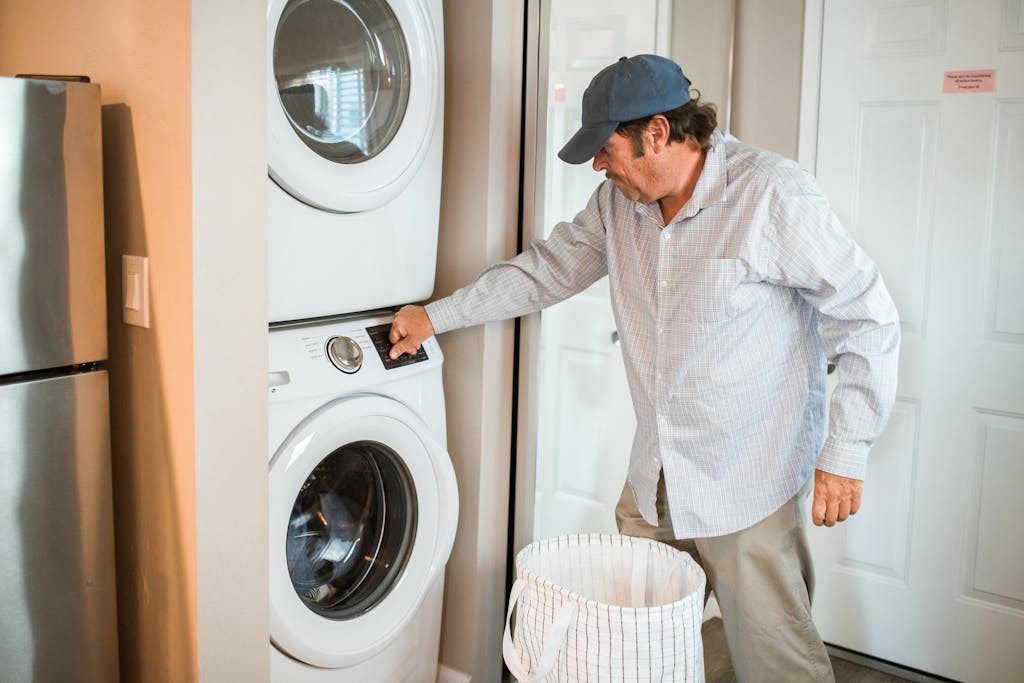
Appliances like washing machines, dishwashers, and ice makers rely on solenoid valves to turn water on and off. These electronic valves are designed to operate at standard residential pressures. When subjected to the spikes caused by thermal expansion, the solenoids can jam or fail completely. This can lead to appliances that leak or refuse to fill. The rubber supply hoses connecting these appliances are also at risk. A burst washing machine hose is a common cause of catastrophic water damage, and high pressure is often the culprit.
Even your faucets are not immune. High pressure forces water past the washers and cartridges inside the faucet handles. This leads to persistent dripping. You might replace the cartridge, only to have the drip return a few weeks later because the underlying pressure issue has not been addressed. An expansion tank protects your investment in high-end finishes and expensive appliances by maintaining a stable, safe hydraulic environment within your walls.
The Function of the T&P Relief Valve
Every water heater is equipped with a Temperature and Pressure (T&P) relief valve. This is a safety device designed to open if the pressure inside the tank exceeds one hundred and fifty psi or if the temperature gets too high. It acts as an emergency vent to prevent the tank from exploding. In a home without an expansion tank, the T&P valve often becomes the primary mechanism for relieving pressure. This is not its intended function.
If you notice water dripping from the discharge pipe on the side of your water heater, it is a sign that the T&P valve is opening periodically to release the excess pressure caused by thermal expansion. While this prevents an explosion, it is problematic for several reasons. First, T&P valves are designed for emergency use, not daily operation. Frequent opening and closing can cause mineral deposits to build up on the valve seat, preventing it from closing tightly. This leads to a permanent leak.
Second, relying on the T&P valve reduces the safety margin of the system. If the valve eventually seizes shut due to calcium buildup, you lose your last line of defense against a catastrophic rupture. An expansion tank prevents the pressure from ever reaching the point where the T&P valve needs to open. It keeps the safety valve in reserve for true emergencies, ensuring it works when you really need it.
How the Expansion Tank Works
The mechanics of an expansion tank are relatively simple but ingenious. The tank is divided internally into two chambers by a flexible rubber diaphragm or bladder. One side of the chamber is connected to the water piping and fills with water. The other side is filled with pressurized air. The air side acts as a cushion.
When the water in the heater expands, the extra volume pushes against the rubber diaphragm. Because air is compressible, the air cushion gives way, allowing the water to enter the expansion tank. This absorption of volume prevents the pressure in the rest of the system from rising significantly. When someone opens a faucet and the pressure in the system drops, the compressed air pushes the water back out of the expansion tank and into the pipes.
The air pressure in the tank must be calibrated to match the incoming water pressure of the home for the device to work correctly. If the air pre-charge is too low, the tank will fill with water too early and become waterlogged, losing its ability to absorb expansion. If the charge is too high, water will never enter the tank. Proper installation involves testing the home’s static water pressure and adjusting the tank’s air valve accordingly.
Maintenance and Lifespan
Like any mechanical component, expansion tanks do not last forever. The rubber diaphragm inside is subject to wear and tear. Over time, the rubber can lose its flexibility or develop a tear. If the diaphragm ruptures, the water pushes through and fills the entire tank. Once the tank is completely full of water, it becomes “waterlogged.” A waterlogged tank has no air cushion and is completely useless. It is just a heavy metal bottle full of water hanging on your pipe.
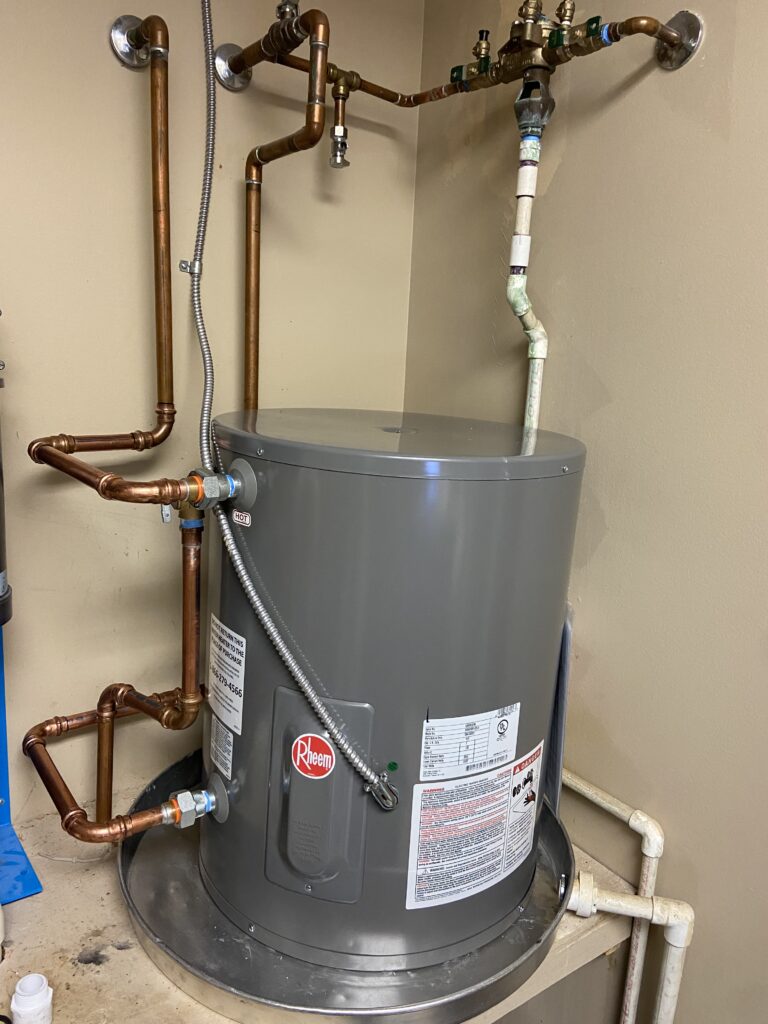
Cedar Park homeowners should check their expansion tank periodically. The simplest test is the “tap test.” Tap on the top and bottom of the tank with a metal object like a coin. The air side should sound hollow, like a drum, while the water side should sound solid, like a full can of soda. If the entire tank sounds solid, the diaphragm has likely failed, and the tank is full of water.
Another check involves briefly pressing the Schrader valve (which looks like a tire air valve) on the air side of the tank. If air comes out, the diaphragm is likely intact. If water squirts out, the diaphragm has ruptured, and the unit needs immediate replacement. Most expansion tanks have a lifespan of five to seven years, depending on water quality and system pressure. Replacing them is a standard part of water heater maintenance.
The Importance of Professional Installation
While an expansion tank looks like a simple device that screws onto a pipe, proper installation is nuanced. The tank must be supported correctly. Although small, a tank full of water can be heavy. If it is hanging off a copper pipe without support straps, the weight can leverage the pipe and cause a leak at the joint. Professional plumbers ensure the tank is braced against the wall or supported by the piping configuration safely.
Positioning is also important. While typically installed on the cold water inlet, the tank needs to be downstream of the shut-off valve to ensure it is part of the active system but can be isolated for service if necessary. The most critical step, however, is the pressure calibration. An expansion tank that is installed right out of the box without checking the home’s water pressure is often ineffective.
Whitestone Plumbing ensures that every expansion tank is tuned to the specific hydraulic conditions of the home. We verify the main line pressure, adjust the tank’s air charge, and check for proper operation. We also inspect the check valves and pressure reducing valves to ensure the entire closed-loop system is functioning in harmony.
The expansion tank is the unsung hero of the modern plumbing system. It works silently in the background, absorbing the punishment of thermal physics so that your expensive appliances do not have to. It protects the investment you made in your water heater, preventing the premature rusting and rupturing that plagues so many homes in Cedar Park. It shields your toilets, faucets, and washing machines from the damaging effects of high pressure spikes.
Ignoring this component or assuming it is unnecessary is a costly mistake. The small upfront cost of installing or replacing an expansion tank pales in comparison to the cost of replacing a burst water heater or cleaning up a flooded home. It is a critical component of a safe, code-compliant, and durable plumbing infrastructure.
If you are unsure if your home has an expansion tank, or if you suspect your current tank has failed, Whitestone Plumbing is here to help. Our licensed professionals can evaluate your system, perform the necessary pressure tests, and install the correct protection for your home. Don’t let pressure build up until it is too late. Contact us today to ensure your water heating system is safe, efficient, and built to last.