Debunking Common Plumbing Myths
Homeowners often rely on advice passed down from friends, family, or the internet to maintain their houses. While some of these tips are helpful shortcuts, others are misconceptions that can cause significant damage to your property. Plumbing systems are complex feats of engineering that rely on precise fluid dynamics and material science. When you treat them according to folklore rather than fact, you risk disrupting the delicate balance that keeps your water flowing and your home sanitary. Misinformation spreads quickly because it often sounds logical on the surface. It offers easy solutions to common problems, promising to save time and money. However, the reality is often the opposite. Believing these myths frequently leads to expensive repairs, emergency service calls, and a shortened lifespan for your plumbing infrastructure.
Cedar Park residents need to be particularly careful because local water conditions and soil types already put stress on plumbing systems. Adding improper care based on myths to the mix accelerates wear and tear. Distinguishing between helpful maintenance and harmful habits is essential for protecting your investment. By understanding the truth behind these common misconceptions, you can make better decisions for your home. It is time to set the record straight on the most pervasive and damaging myths in the plumbing world, moving beyond the surface level to understand the mechanics of why these “hacks” fail.
The Hidden Dangers of Chemical Drain Cleaners
The moment a sink starts to drain slowly or a shower fills up with water, the immediate reaction for many people is to reach for a bottle of liquid drain cleaner. These products are marketed aggressively as a miracle cure in a bottle. The commercials show a thick liquid pouring down a pipe, instantly dissolving a clog, and leaving the drain sparkling clean. It looks effortless and cheap compared to calling a plumber. The prevailing belief is that these chemicals are safe for your pipes and that they actually fix the problem permanently. The truth is that chemical drain cleaners are harsh, corrosive substances that frequently do more harm than good to the longevity of your system.
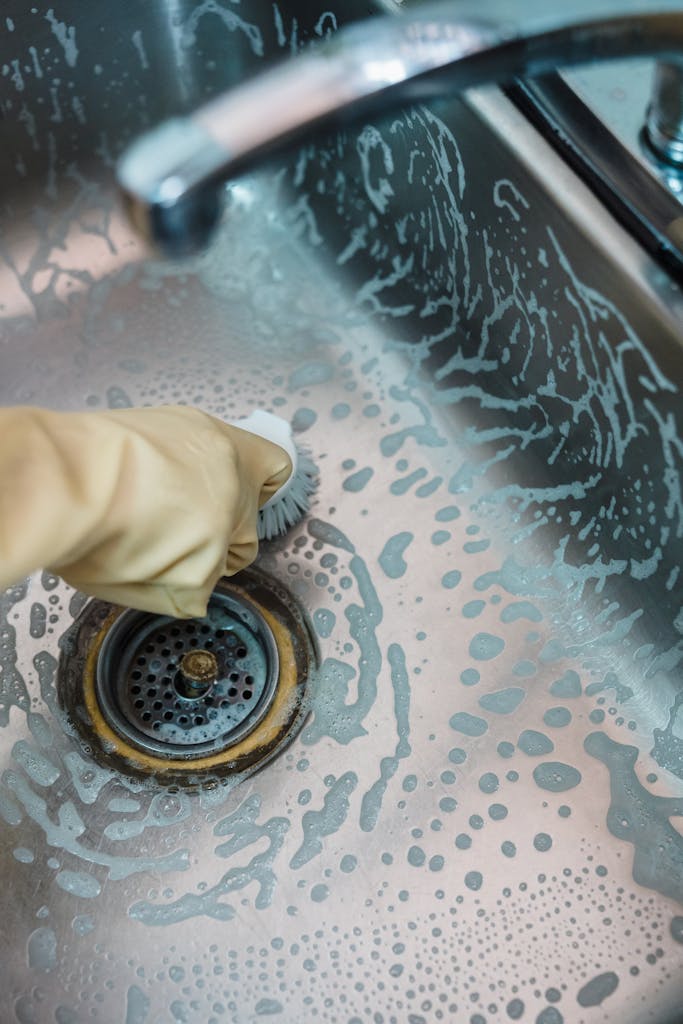
Most liquid drain cleaners work by creating a chemical reaction that generates intense heat. They contain caustic ingredients like sulfuric acid or lye which are designed to burn through organic matter like hair and soap scum. While this might burn a small hole through a clog to restore some flow, the heat generated can be intense enough to damage your pipes physically. If you have plastic pipes, the heat can warp or soften the material, leading to leaks at the joints and structural failure. If you have older metal pipes, the corrosive nature of the cleaner can eat away at the inner walls, accelerating rust and causing pinhole leaks. The damage is often irreversible, turning a simple clog into a pipe replacement project.
Furthermore, these chemicals rarely clear the entire blockage. They typically tunnel a small path through the sludge, allowing water to drain slowly. Because the bulk of the debris remains on the pipe walls, the clog will inevitably return in a few weeks. This leads to a cycle where the homeowner uses more and more chemical cleaner, compounding the damage to the pipes with every application. The chemicals sit in the trap and the pipe, eating away at the material long after the water has gone down. There is also a significant safety risk involved. These products are toxic and can cause severe burns if they splash onto your skin or into your eyes. If the chemical cleaner fails to clear the clog and sits in the pipe, it creates a hazardous situation for any plumber who eventually comes to fix the issue.
The Truth About Flushable Wipes
Walk down the aisle of any grocery store in Cedar Park and you will see dozens of packages of wet wipes labeled “flushable.” This label is one of the most misleading marketing claims in the consumer world. It implies that the product will break down in the sewer system just like toilet paper. Homeowners buy them for better hygiene and convenience, believing they are acting responsibly. The reality is that these wipes are a primary cause of sewer backups in residential homes and municipal treatment plants alike. Marketing teams focus on the fact that the wipe will leave your toilet bowl, but they ignore what happens once it enters the pipes.
Toilet paper is an engineering marvel designed to disintegrate almost immediately upon contact with water. It falls apart into tiny fibers that flow easily through pipes and break down in septic tanks or sewer systems. Flushable wipes, on the other hand, are made with synthetic fibers and binders to give them wet strength. They need to be durable enough to stay moist in the package and hold up during use. This durability means they do not fall apart in water. When flushed, they remain intact, traveling through your pipes as a solid cloth.
The problem arises when these wipes encounter any imperfection in your plumbing. If there is a small root intrusion, a rough patch of scale, or a sharp bend in the pipe, the wipe gets snagged. Once one wipe is caught, it acts as a net. It catches other wipes, toilet paper, and solid waste. This accumulation grows rapidly into a dense, non-degradable mass that blocks the flow of water completely. These blockages can occur in your main sewer line, causing raw sewage to back up into your bathtubs and showers. Even if the wipes make it out of your home plumbing, they cause havoc downstream, combining with grease to form massive obstructions that damage municipal pumps.
The Physics of Grease and Hot Water
After cooking a meal, there is often a pan full of grease or oil left over. A common belief is that you can pour this grease down the kitchen sink as long as you run hot water and maybe some dish soap along with it. The logic is that the hot water keeps the grease in a liquid state, allowing it to flow all the way to the sewer main and wash away. This is a dangerous misconception that leads to some of the most stubborn and difficult-to-clean clogs plumbers encounter. It is based on a misunderstanding of how temperature affects fats and oils in a dynamic environment.
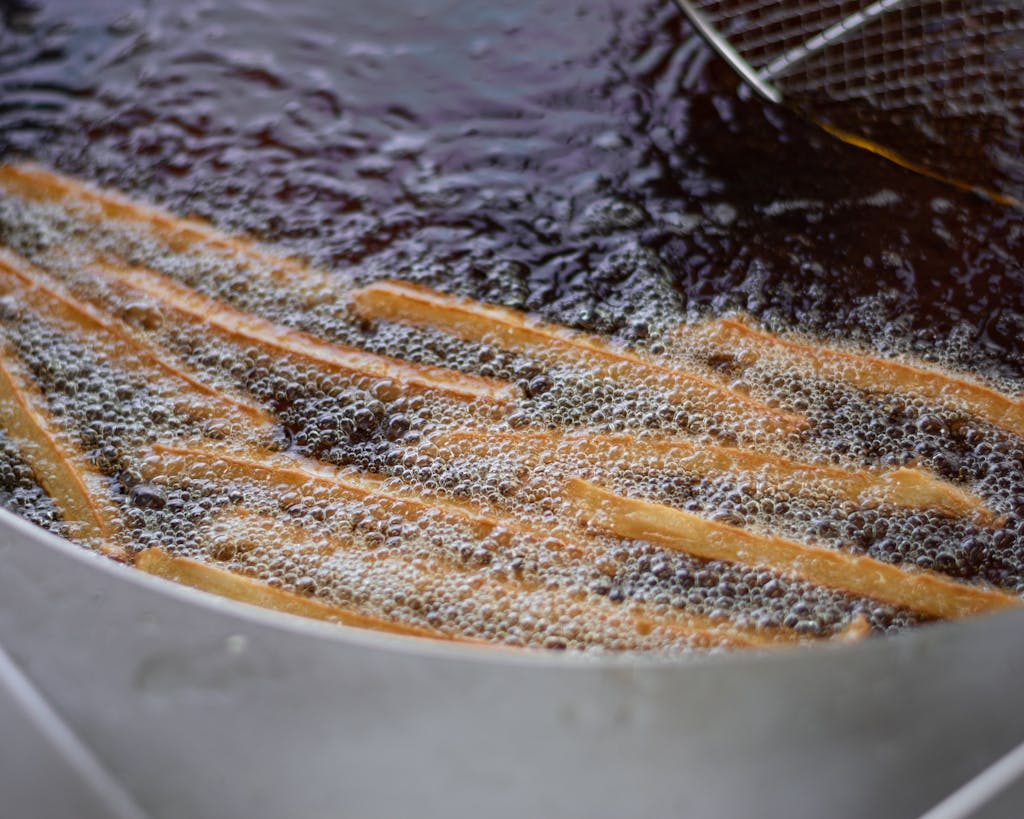
It is true that hot water melts grease. However, pipes are not heated. As soon as the grease and hot water mixture travels a few feet down the drain, it begins to cool. The pipe runs underground or through the slab, where the temperature is significantly lower than the water coming from your tap. As the grease cools, it solidifies. It turns from a liquid into a waxy, sticky solid that coats the interior walls of the pipe. Running hot water only pushes the problem further down the line, often depositing the grease in the main sewer lateral where it is harder to reach and more expensive to clear.
Soap does not solve the problem either. While detergents break up grease temporarily, the suspension is not permanent in the context of a sewer line. The grease eventually separates and re-coagulates. Over time, these layers of grease build up like plaque in an artery. They reduce the diameter of the pipe, restricting water flow. This sticky surface also grabs onto food scraps, eggshells, and coffee grounds that go down the garbage disposal. The result is a rock-hard blockage that cannot be plunged away. The only safe way to dispose of cooking grease is to pour it into a container, let it harden, and throw it in the trash.
Misconceptions About Garbage Disposals
Many homeowners treat their garbage disposal as a magical trash can that can handle any type of food waste. There is a persistent myth that putting lemons or limes down the disposal cleans the blades and freshens the sink. While the citrus smell is pleasant, the acid in the fruit can actually corrode the metal components of the disposal and the drain line over time. Furthermore, the rinds are tough and can clog the drain further down the line. Another common fallacy is that putting ice cubes in the disposal “sharpens the blades.”
In reality, garbage disposals do not have sharp blades like a blender. They use impellers to throw food against a stationary grind ring, which shreds the waste. Ice cubes do not sharpen these impellers; they simply melt. While ice can help knock off some debris stuck to the impellers, it does nothing to improve the cutting efficiency of the unit. Treating the disposal like a heavy-duty grinder leads to premature burnout of the motor and frequent jams.
Fibrous foods like celery, corn husks, and potato peels are the enemies of garbage disposals. These items can wrap around the impellers or slip past the grind ring untouched, creating a thatch-like clog in the P-trap. Starchy foods like pasta and rice also pose a threat as they expand with water, turning into a thick paste that the disposal cannot push through the pipes. The disposal is designed for small amounts of soft food residue, not for clearing the entire dinner table. Scaping plates into the trash or compost bin is always the safer option for your plumbing.
The Harm of In-Tank Toilet Cleaners
The desire for a clean, fresh-smelling toilet leads many people to use drop-in tank tablets. These are the blue or white pucks that you drop into the back of the toilet tank. They slowly dissolve, releasing bleach and other chemicals into the water with every flush. The myth is that these tablets keep the toilet clean and reduce the need for scrubbing. While they might dye the water blue, they are actively destroying the internal components of your toilet tank.
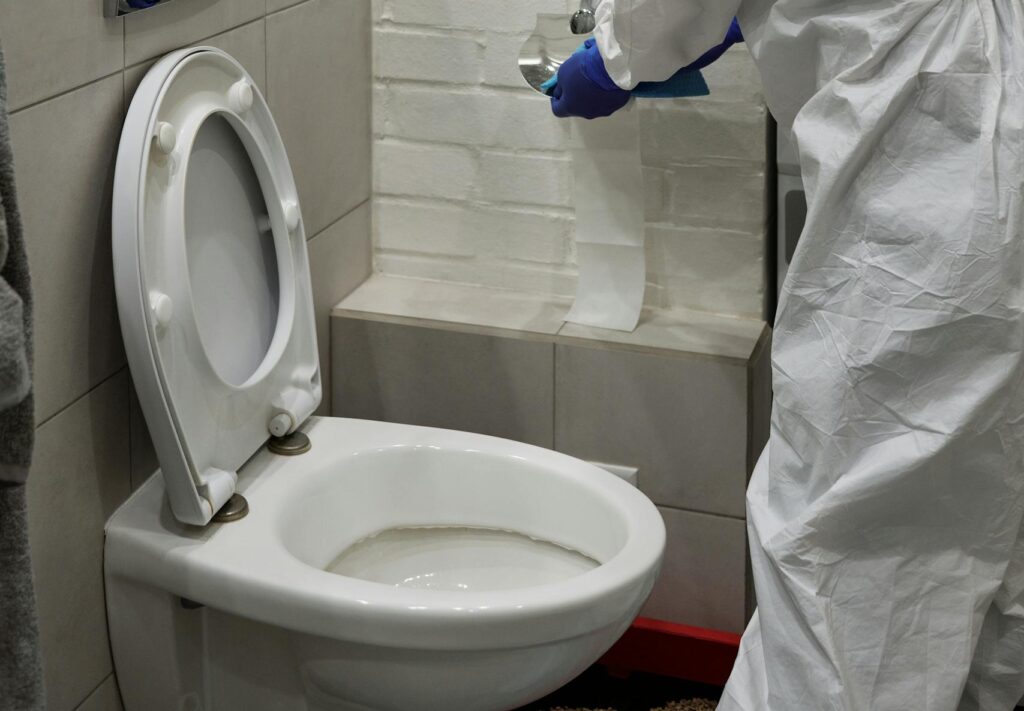
Toilet tanks are filled with rubber and plastic parts, specifically the flush valve washer (flapper) and the tank-to-bowl gaskets. These materials are designed to withstand water, not concentrated bleach. When a cleaning tablet sits in the stagnant water of the tank for weeks, it creates a highly caustic chemical soup. This harsh solution dries out the rubber seals, causing them to become brittle, warp, and crumble.
The result is almost always a leak. The flapper will no longer seal against the flush valve, leading to a “running toilet” that wastes thousands of gallons of water and spikes your utility bill. You might find yourself replacing the internal guts of your toilet annually if you continue to use these products. Additionally, many toilet manufacturers explicitly state that using in-tank drop-in cleaners voids the warranty on the fixture. If you want to clean the toilet, stick to cleaners that go in the bowl, not the tank.
Plumbing myths persist because they offer the illusion of convenience. It is easier to pour grease down the sink or flush a wipe than it is to dispose of them properly. It is easier to drop a tablet in a tank than to scrub the bowl. However, the long-term cost of these shortcuts far outweighs the momentary effort they save. Your home’s plumbing system is a critical asset that requires respect and proper care to function correctly. By abandoning these myths and adopting best practices, you protect your home from unnecessary damage and avoid the stress of unexpected plumbing failures.
Education is the best defense against plumbing disasters. When you understand the mechanics of how your drains and pipes work, the danger of these myths becomes clear. You realize that a few minutes of prevention can save thousands of dollars in repairs. It is about shifting the mindset from immediate convenience to long-term sustainability. Cedar Park homeowners who treat their plumbing with care are rewarded with reliable systems that last for decades.
If you have fallen victim to one of these myths and are experiencing plumbing issues, do not panic. Whitestone Plumbing is here to help you set things right. Whether you need a drain cleaned, a pipe repaired, or an inspection to check for hidden damage, our team of experts has the tools and knowledge to handle the job. We believe in honest, straightforward service that solves the root of the problem. Contact us today to ensure your plumbing system is running smoothly and myth-free.