
What Causes Pipes To Burst During Texas Cold Snaps
Texas winters are infamous for their erratic nature. Residents in Cedar Park often experience pleasant, mild afternoons that are immediately followed by freezing nights. This rapid temperature shift catches many homeowners unprepared. The most severe consequence of these sudden cold snaps is a burst pipe. Water damage from a single broken line can cost thousands of dollars in repairs and remediation. A ruptured pipe releases gallons of water in minutes. This destroys drywall, flooring, and furniture. Understanding why this happens is the first step toward prevention. It is not just the cold air that causes the damage. A combination of physics, home construction standards, and material limits creates the perfect storm for plumbing failures.
Water has a unique property that differentiates it from almost every other liquid on Earth. It expands when it freezes. Most substances contract and become denser as they get colder. Water molecules arrange themselves into a crystalline structure that takes up more space than their liquid form. This expansion is powerful. The force exerted by freezing water can exceed thousands of pounds per square inch. This pressure is easily enough to rupture metal or plastic. The ice blockage itself is rarely what cracks the pipe. The break usually happens in the section of the pipe that still contains liquid water. This distinction is important for understanding how to protect your home.
The process starts when a specific spot in the pipe drops below freezing. Ice begins to form and eventually creates a solid blockage. As the freezing continues, the ice expands and pushes against the remaining water trapped between the ice dam and the closed faucet. Water is incompressible. It has nowhere to go. The pressure rises rapidly as the ice continues to grow. The pipe material eventually reaches its failure point and bursts to relieve the pressure. This is why pipes often burst away from the actual frozen spot. It is also why dripping a faucet works. The drip relieves the internal pressure rather than just preventing the freeze itself.
The Physics Of Water Expansion
The science behind a burst pipe is simple yet destructive. When water turns to ice, its volume increases by approximately nine percent. This might sound small, but in a closed system like a plumbing pipe, it is catastrophic. The expansion does not happen all at once. It begins on the inner walls of the pipe where the temperature is coldest. As the ice thickens, it moves toward the center of the pipe. Eventually, it forms a plug that completely blocks the flow of water. This blockage is the trigger for the pressure buildup that follows. The water trapped between the blockage and the closed valve is now a ticking time bomb.
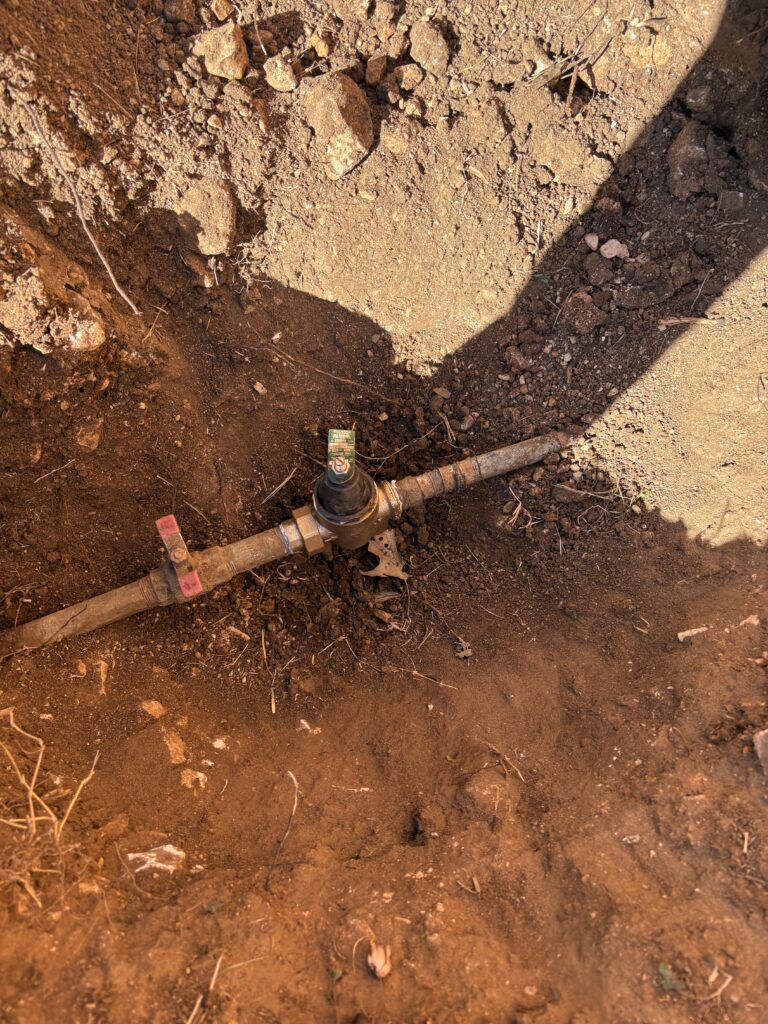
Pressure accumulation is the true enemy during a freeze event. Imagine a piston pushing down on a cylinder of water. The expanding ice acts as that piston. Because the faucet is closed, the water cannot escape. The pressure in that short section of pipe spikes dramatically. It can reach levels that far exceed the manufacturing specifications of the pipe material. Standard residential water pressure is usually between forty and eighty pounds per square inch. Freezing water can generate pressure in the tens of thousands. No residential plumbing material can withstand that kind of force indefinitely. The weakest point will always give way first.
This phenomenon explains why pipes rarely burst in open systems. If the water has room to move, the ice can expand without destroying the container. This is why outdoor ponds or swimming pools rarely cause structural damage when they freeze. The surface freezes, but the water below remains liquid and has space to displace. In a home plumbing system, the closed valves create a confined space. Once the ice dam forms, the system is no longer open. The trapped water bears the full brunt of the expansion force. This basic principle of physics is why simply opening a faucet can save your entire home from flooding.
Regional Construction Standards
Texas homes are not built like homes in the northern United States. Builders in colder climates construct houses with the assumption that freezing temperatures will last for months. They place plumbing lines deep within the insulated envelope of the home. Insulation standards in Cedar Park and the surrounding Texas Hill Country historically prioritized keeping heat out during the summer rather than keeping heat in during the winter. This means many plumbing lines run through unheated areas. Attics and crawl spaces often house vital water supply lines. These areas sit outside the warm interior of the house.
The lack of insulation in these spaces makes pipes highly vulnerable. The temperature in an uninsulated attic can drop to match the outside air temperature rapidly. A pipe running through an attic with mere foam insulation cannot withstand prolonged temperatures in the teens or twenties. The insulation only slows the heat loss. It does not generate heat. Without a constant source of warmth or water flow, the water inside will eventually reach the ambient temperature. This structural difference is the primary reason Texas sees widespread plumbing failures during events like the big freeze of 2021 compared to northern states that see similar temperatures annually.
Crawl spaces present a similar challenge for pier and beam homes. These foundations elevate the home off the ground, creating a space for air to circulate under the floor. This is excellent for keeping the house cool in the summer but dangerous in the winter. Cold air rushes under the house and surrounds the plumbing lines. The floor insulation is often insufficient to protect the pipes from the freezing air below. Unlike a slab foundation, which benefits from the thermal mass of the earth, a crawl space exposes pipes to the full force of the ambient air temperature.
Vulnerable Pipe Locations
The location of the pipes plays a massive role in their susceptibility to freezing. Exterior walls are common routes for plumbing in Texas construction. Kitchen sinks positioned under windows often have supply lines running through the exterior wall cavity. If the insulation behind that pipe is thin or gaps exist, the cold penetrates the wall and reaches the pipe. The heat from inside the home struggles to reach these lines. Cabinetry under sinks further insulates the pipes from the warm indoor air. This creates a microclimate under the sink that is significantly colder than the rest of the room.
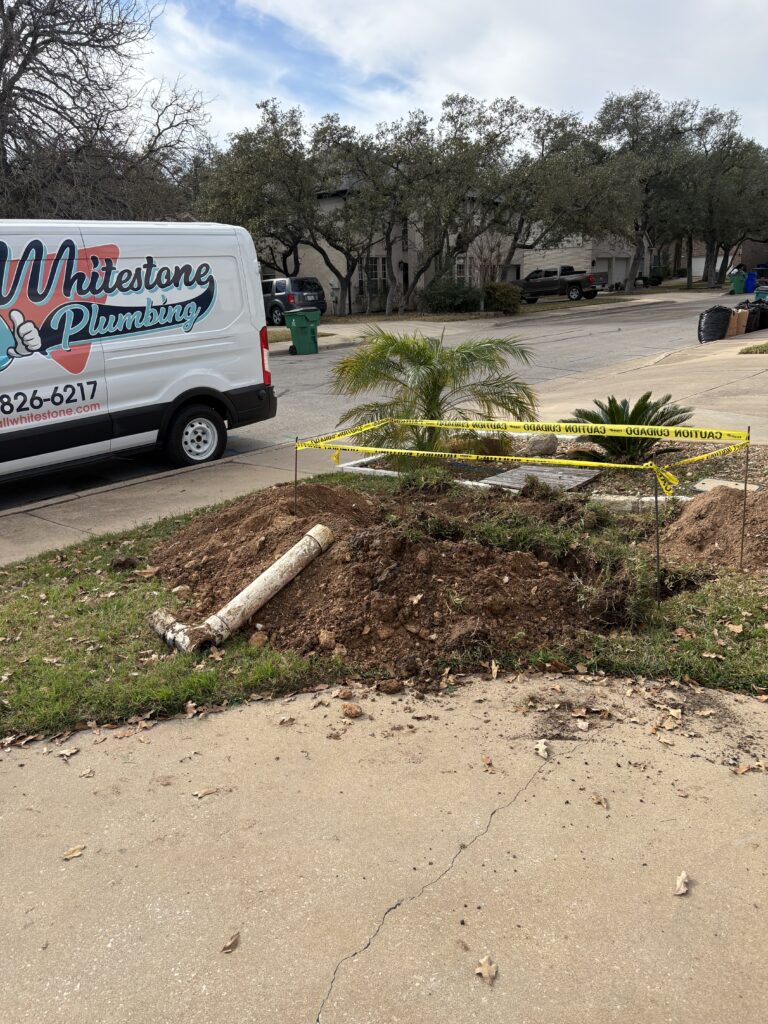
Slab foundations are another variable that complicates the issue. Many homes in Cedar Park sit on concrete slabs. Water lines often run through or under the slab. While the ground provides some insulation, the point where the pipe exits the slab and enters the wall is a weak point. This entry point is often near the perimeter of the foundation. The concrete itself can get very cold and conduct that temperature to the plumbing lines. This thermal bridging effect can freeze the water inside the pipe even if the air inside the home is warm. The cold travels through the dense concrete faster than through the insulated wall.
Garage plumbing is another frequent failure point. Water heaters and washing machines are often located in the garage in Texas homes. Garage doors are rarely insulated well. The temperature in a garage can drop below freezing very quickly during a cold snap. The pipes in the garage walls or ceiling have very little protection. Even if the garage is attached to the house, it does not share the same climate control system. A drafty garage door seal allows freezing wind to cut right through the space. Pipes located near the garage door are at the highest risk of freezing and bursting.
The Impact Of Wind Chill
Wind chill accelerates the freezing process significantly. The ambient air temperature might be twenty-five degrees, but a strong north wind strips heat away from surfaces much faster. Homes with vented attics or crawl spaces allow this wind to enter the structure. The moving air disrupts the stagnant layer of air that usually provides a small buffer around the pipes. Weep holes in brick veneer also allow cold air to enter the wall cavity. While these holes are necessary for moisture control, they become entryways for freezing air during a cold snap.
Any gap in the siding or near a window frame allows cold drafts to pinpoint specific sections of pipe. This is known as spot freezing. A single draft hitting a three-inch section of copper pipe can cause a blockage that destroys the entire line. It does not matter if the rest of the house is warm. If that one spot gets cold enough to freeze, the pressure will build. Homeowners often underestimate the power of wind. They look at the thermometer and assume they are safe. However, a thirty mile per hour wind makes freezing occur much faster than in still air.
Attic vents are necessary for roof health but dangerous for plumbing. Soffit vents and ridge vents ensure air flows through the attic to prevent moisture buildup. During a winter storm, these vents turn into highways for freezing air. The wind blows through the attic and strips the heat away from any pipes located there. Insulation on the pipes helps, but it cannot stop the heat loss indefinitely against a constant stream of sub-freezing air. The wind chill effect inside an attic can be nearly as severe as it is outside. This rapid cooling is often what catches homeowners off guard.
Material Differences And Failures
The material of the plumbing system affects how it handles the cold. Copper is a common material in many Cedar Park homes. It is durable and long lasting but has very little give. When the pressure builds inside a copper pipe, it splits. The metal is rigid. It cannot expand to accommodate the increased volume of the water. Once the pressure limit is reached, the copper tears open along the length of the pipe. These splits can be hairline fractures or large gashes. Both result in significant water loss once the ice melts.
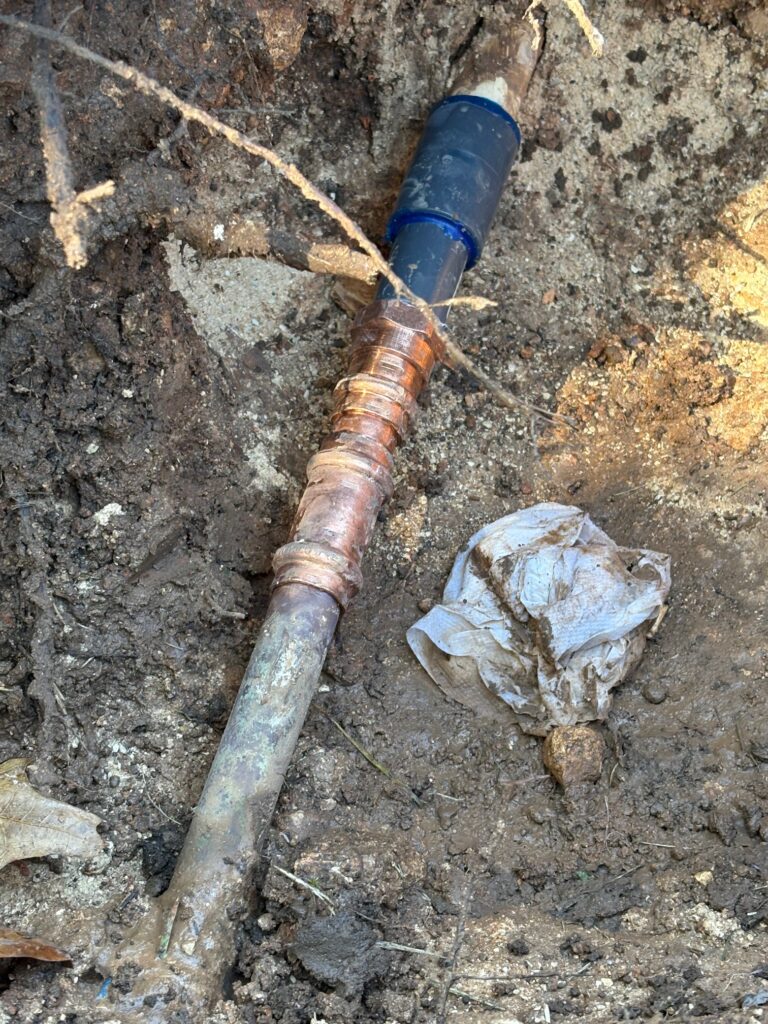
Rigid plastic like PVC or CPVC behaves differently but fails just as catastrophically. These materials become brittle in cold temperatures. When subjected to the immense force of expanding ice, they can shatter. A PVC pipe might not just split; it might explode into fragments. This makes repair more difficult as a larger section of the pipe often needs replacement. The glued joints in plastic piping are also weak points. The pressure can force the joint apart or crack the fitting itself.
PEX piping has become more popular in recent years because it is flexible. It can expand slightly to accommodate freezing water. This gives PEX a significant advantage over copper and rigid plastic. However, PEX is not immune to bursting. The brass or plastic fittings connecting the PEX tubing are rigid. These connections often fail even if the tube itself survives the expansion. Additionally, PEX has a limit to how much it can stretch. Repeated freezing and thawing cycles weaken the material over time. A PEX pipe that survives one freeze might fail during the next one due to material fatigue.
User Error And Maintenance Habits
Garden hoses are a frequently overlooked culprit. Leaving a hose attached to an outdoor faucet is one of the most common causes of burst pipes. The hose traps water inside the spigot. The water in the hose freezes first because it is outside and uninsulated. This ice travels up the hose and into the faucet mechanism. It prevents the water in the pipe inside the wall from draining out. The ice expands and cracks the brass body of the faucet or the pipe just inside the wall. Homeowners often do not realize the damage has occurred until they use the hose in the spring or the pipe thaws and floods the wall.
Thermostat management during a freeze is critical. Many homeowners try to save money by lowering the temperature at night or when they leave the house. Letting the interior temperature drop too low reduces the heat energy available to warm the walls and ceilings where pipes are located. A house kept at sixty-eight degrees provides a much safer buffer for wall pipes than a house kept at sixty degrees. The heat needs to permeate the drywall and insulation to reach the plumbing. Sudden drops in indoor temperature can be the tipping point for pipes that are hovering near the freezing mark.
Vacant homes are at the highest risk. Property owners who travel during the winter often turn their heat down significantly. If the power fails or the heating system malfunctions, the house loses all protection. The water in the pipes sits still. Static water freezes much faster than moving water. A vacant house without a dripping faucet or proper heating is a ticking time bomb during a Texas cold snap. The resulting damage often goes unnoticed for days. This allows water to run continuously once the ice melts. The structural damage from this scenario is often catastrophic.
Burst pipes are a harsh reality of living in Texas. The combination of intense cold snaps and construction designed for heat dissipation creates significant risks for homeowners in Cedar Park. The physics of freezing water and pressure buildup creates immense force that few materials can withstand. Awareness of where your pipes run and how your home is insulated is the best defense. Simple habits like disconnecting hoses and keeping the thermostat consistent make a difference. Understanding the mechanics of why pipes burst empowers you to take the right precautions.
Prevention is always cheaper than repair. Taking the time to seal drafts, insulate attic lines, and drip faucets can save you from a disaster. Do not wait for the temperature to drop before assessing your plumbing system. Inspect your home for vulnerabilities now. Whitestone Plumbing is here to help you prepare your home for the winter and repair any damage the cold may bring. We understand the specific challenges of Cedar Park homes. Let us help you keep your water flowing and your home dry this winter.