
How To Handle Holiday Kitchen Traffic Without Clogs
The holiday season puts more work on your kitchen plumbing than any other stretch of the year. A sink that handles two people every day suddenly has to handle a turkey brine, three side dishes, four rounds of dishes, and a dishwasher that runs twice as often. Most kitchen drain problems in November and December do not come from one bad decision; they come from weeks of small amounts of grease, starch, and food pulp building up inside a pipe that was already narrowing. By the time water pools in the basin on Thanksgiving morning, the clog has usually been forming since the first batch of holiday baking. The good news is that almost all of it is preventable with a few habits and one round of maintenance before guests arrive. Homeowners across Cedar Park, Leander, Round Rock, and Georgetown call us every year during the same two week window, and the calls follow a predictable pattern. Knowing that pattern gives you a real advantage. Below is what causes holiday kitchen clogs, how to stop them, and when the problem has moved past what a plunger can fix.
What Causes Holiday Kitchen Clogs During Heavy Cooking Days
Kitchen drain lines in most Central Texas homes are only 1.5 inches wide before they tie into the larger branch line. That leaves very little room for error once fats and food solids start coating the inside walls of the pipe. Holiday cooking multiplies three things at once: grease volume, food scrap volume, and the number of times the drain gets used per hour. Add a dishwasher cycling through greasy plates and you have warm, fat heavy water moving through a pipe that cools it down within a few feet. Hard water in this region compounds the issue, because mineral scale gives grease and food fiber a rough surface to cling to instead of a smooth one to slide past. Understanding the specific causes helps you target the right habits rather than guessing. Here is what actually shuts down a kitchen sink during the holidays.
Grease and Oil Are the Leading Cause of Holiday Kitchen Clogs
Grease is liquid when it leaves the pan and solid when it reaches the pipe, and that single fact explains the majority of holiday kitchen clogs we clear. Bacon drippings, turkey fat, butter, gravy, cooking oil, and the fat rendered out of a roast all pour easily down the drain while they are hot. Once that water travels a few feet past the P trap and hits the cooler pipe running under the slab or through the wall, the temperature drops and the fat separates from the water. It then sticks to the pipe wall in a thin film. One meal does not close a drain, but a season of meals layers that film until the opening is a fraction of its original size. Running hot water behind the grease does not solve anything; it only moves the cooling point farther down the line where the clog becomes harder and more expensive to reach.
The habit that fixes this costs nothing. Keep a metal can, a glass jar, or an old coffee container next to the stove and pour cooled grease into it, then throw it in the trash once it hardens. Wipe greasy pans and roasting racks with a paper towel before they go in the sink or the dishwasher, since the residue left on a pan still ends up in the same drain line. Soups, gravies, and marinades that separated in the fridge should be scraped into the trash rather than rinsed. Restaurants are required to install grease interceptors for exactly this reason, and a home kitchen during the holidays produces restaurant volume without restaurant equipment. Treat the sink as a place for water and soap, not for food byproducts.
Dish soap creates a false sense of security here, and it is worth knowing why. Detergent emulsifies fat so it appears to wash away cleanly, but that emulsion is temporary. As the mixture cools and the soap concentration drops farther down the line, the fat comes back out of suspension and deposits on the pipe wall anyway. The same applies to hot water. It buys you distance, not removal. If your sink has been draining slower each week since you started holiday baking, grease accumulation is the most likely reason, and a professional cleaning will restore the full diameter of the pipe rather than poking a temporary hole through the middle of the buildup. Need your kitchen line cleared before the guests arrive? Click here for our drain cleaning service.
Food Scraps That Create Holiday Kitchen Clogs in the Garbage Disposal
A garbage disposal is not a trash can, and the biggest holiday mistake is treating it like one. Disposals do not have blades. They use blunt impellers mounted on a spinning plate that throw food against a stationary grind ring, which shreds the material into small particles that water carries away. That design handles soft scraps well and handles fibrous or starchy material poorly. Celery, artichoke leaves, corn husks, asparagus ends, and onion skins are stringy enough to wrap around the impeller assembly or bind together into a mat inside the drain. Potato peels, rice, pasta, and stuffing are the other half of the problem, because starch absorbs water and turns into a thick paste that coats the pipe like wet cement. Bones, fruit pits, and shellfish shells are hard enough to jam the unit outright.
Coffee grounds deserve their own warning during a season when the pot runs all day. Grounds are small enough to pass the disposal without any resistance, so people assume they are harmless. They then settle in the P trap and in any low spot in the horizontal run, where they pack down into a dense sludge that traps everything arriving behind it. Eggshells behave similarly; the shell fragments do not sharpen anything, and the thin membrane inside can wrap the impellers. Scrape plates into the trash or a compost bin first, and use the disposal only for the small residue that survives the scraping. That one change eliminates a large share of the emergency calls we take between Thanksgiving and New Year’s Day.
How you run the unit matters as much as what goes into it. Turn on a strong stream of cold water, then turn on the disposal, then feed scraps in gradually rather than packing the chamber full and flipping the switch. Cold water keeps any fat present in a solid state so the grinding action can break it up and the flow can carry it out, and it also protects the motor bearings from heat. Let the water run 20 to 30 seconds after the grinding noise smooths out, which clears the drain line rather than leaving debris sitting in the trap. If the unit hums without turning, shut off the switch, use the hex wrench that fits the socket on the underside of the housing to free the flywheel, then press the red reset button. A disposal that trips repeatedly, leaks at the sink flange, or drains into standing water has a problem past the unit itself and needs to be looked at.
Disposal jammed, humming, or leaking under the sink? Click here for our garbage disposal repair service.
Warning Signs of Holiday Kitchen Clogs You Should Not Ignore
Drains rarely fail without notice. The first sign is usually speed: water that used to disappear immediately now takes several seconds to clear, then several more, then it stands in the basin while you wash. A gurgling sound as the last of the water goes down means air is being pulled through a restriction, which tells you the pipe is partially blocked rather than open. A persistent sour smell from the drain points to food debris decaying inside the line or in the disposal chamber, and no amount of citrus peel fixes a smell caused by an actual accumulation. Bubbles appearing in the second basin when the disposal side drains indicate the blockage is past the tee where the two sides join. These signals give you a window of days or weeks to act before the line closes entirely.
Some symptoms indicate a problem larger than the kitchen. If the dishwasher backs up into the sink, the blockage sits at or past the point where the dishwasher drain hose ties into the disposal or the tailpiece. If a toilet gurgles while the kitchen sink drains, or if a bathroom tub backs up when the washing machine empties, the restriction is in the main line rather than in a branch. Multiple fixtures acting up at the same time is the clearest sign that a household needs a professional evaluation instead of a bottle from the hardware store. Water appearing at a cleanout in the yard is a definite main line issue and requires attention right away. Correctly identifying which of these you have determines the tool that fixes it.
Chemical drain openers make all of these situations worse, and we would rather you know that in advance. Caustic and acidic products generate heat as they react, which can soften PVC joints, damage older cast iron and galvanized pipe, and degrade rubber gaskets and the seals inside a garbage disposal. They also fail against grease and starch clogs most of the time, leaving a basin of caustic water sitting on top of the blockage. That standing chemical then becomes a safety hazard for anyone who opens the trap afterward. Boiling water is another common suggestion worth skipping, since water at a full boil can weaken PVC solvent welded joints under the sink. Hot tap water and a plunger are the safe limits of do it yourself effort on a kitchen line.
How To Prevent Kitchen Sink Clogs Before Your Holiday Guests Arrive
Prevention during the holidays comes down to timing. The best work happens in the quiet weeks before the cooking starts, not on the morning the family shows up. A kitchen drain that is already partly restricted will not survive a 20 person meal, and the plumbing schedule around Thanksgiving fills fast every year. Two categories of effort matter here: the preparation you do once in advance, and the habits you follow while the kitchen is busy. Both are simple, and together they keep the line open through the entire season. Here is how to prevent kitchen sink clogs before they interrupt anything.
Prep Steps That Prevent Kitchen Sink Clogs Before Thanksgiving
Start with a test of the drain you already have. Fill both basins with hot tap water, then pull both stoppers at once and watch how quickly the water leaves. A healthy kitchen line empties both basins with a strong pull and no gurgling; a slow or noisy drain is telling you the pipe is already narrowed. Run the dishwasher through a full cycle and check under the sink for any dampness at the tailpiece, the trap, or the dishwasher hose connection. Look at the disposal for signs of a slow leak at the mounting flange, which shows up as a ring of residue on the cabinet floor. Doing this two or three weeks out gives you time to schedule work at normal rates instead of holiday emergency rates.
Install a quality basket strainer in each basin if you do not already have one, and use it every time the water runs. A fine mesh strainer catches the coffee grounds, rice grains, and small fiber that a standard basket lets through, and emptying it into the trash takes two seconds. Set up your grease container next to the stove now so it is there when you need it rather than being an afterthought during a busy prep session. Put a trash can within arm’s reach of the sink, since people scrape plates into whatever container is closest. If your household composts, keep that bin accessible for the same reason. Reducing friction on the correct behavior is what makes it happen when six people are working in the kitchen at once.
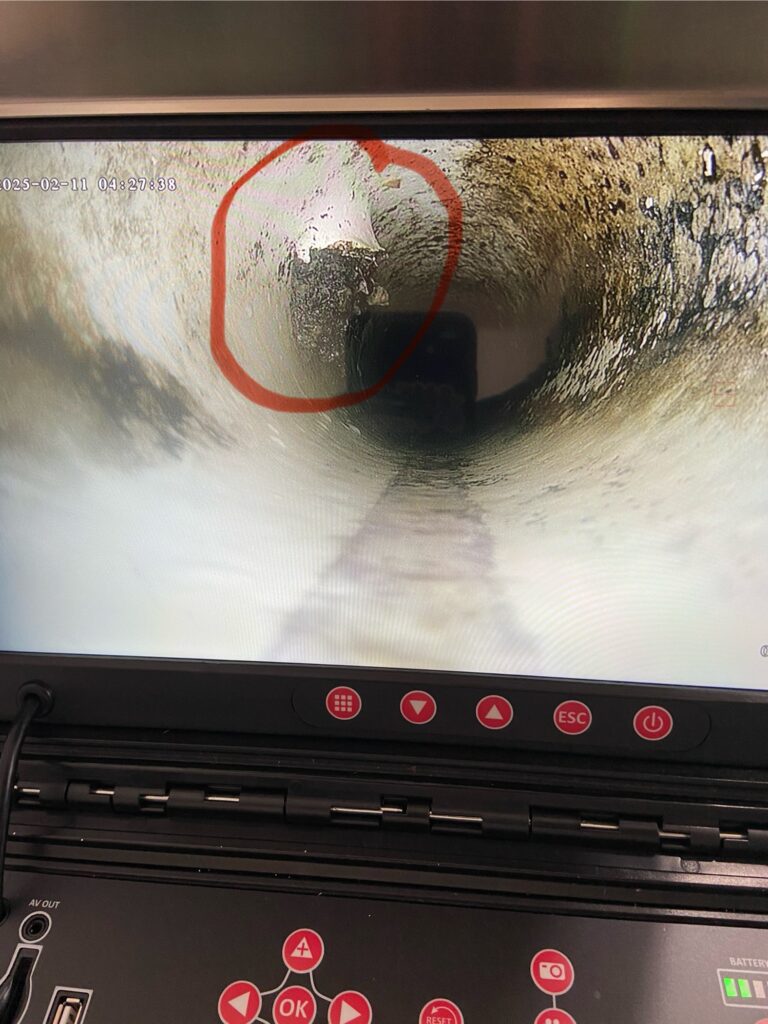
Consider a professional cleaning if the house has a history of kitchen backups or if it has been more than a year or two since the line was serviced. A plumber can run a camera through the drain to see the actual condition of the pipe, measure how much of the diameter remains open, and identify problems like a belly in the line, a root intrusion, or a section of pipe that has degraded. That information tells you if you need a cleaning, a repair, or nothing at all. Homes built in the 1970s and earlier around Austin and Round Rock sometimes still have original cast iron drain lines with heavy scale, and those require different handling than modern PVC. Getting an accurate picture in October costs far less than an emergency visit on a holiday weekend.

Daily Habits That Prevent Kitchen Sink Clogs While You Cook
The single most useful habit is scraping every plate, pan, and serving dish into the trash before it touches the sink. This one step removes the majority of the material that would otherwise enter your drain line, and it takes almost no extra time when the trash can is nearby. Wipe skillets, roasting pans, and baking sheets with a paper towel to remove the fat film before washing. Pour off standing oil from fryers and pans into your grease container rather than tilting it into the sink. Drain pasta and rice water through a colander into a bowl and dump the starchy water outside or into a plant, since that cloudy water carries a surprising amount of starch. These habits sound small individually, and their combined effect across a week of cooking is significant.
Manage the flow of water as carefully as you manage the flow of food. Run cold water before, during, and after every use of the garbage disposal, and give it a full 20 to 30 seconds afterward to move the debris past the trap and into the branch line. Space out heavy loads instead of stacking them; running the dishwasher immediately after grinding a large batch of scraps pushes everything into the same section of pipe at once. Ask guests who offer to help with dishes to scrape into the trash first, because someone unfamiliar with your kitchen will default to rinsing everything down the drain. Between meals, fill a basin with hot tap water and release it in one large volume, which creates a stronger flush than a thin continuous stream. Volume moves debris; trickle does not.
Skip the folk remedies that circulate every November. Baking soda and vinegar produce a satisfying reaction and almost no cleaning force, and the fizz does not dissolve congealed fat inside a pipe wall. Ice cubes in the disposal can knock loose debris stuck to the impellers, which is worth doing occasionally, though it does nothing for the drain line beyond the unit and it does not sharpen anything. Citrus peels improve odor for a day and add fiber that the disposal has to process. None of these approaches is harmful in small doses, and none of them substitutes for keeping material out of the drain in the first place. Prevention beats treatment every time in plumbing.
Professional Drain Cleaning That Prevents Kitchen Sink Clogs for Good
There is a real difference between clearing a clog and cleaning a drain, and it changes how long the fix lasts. A cable machine, often called a snake, feeds a rotating steel cable into the line with a cutting head on the end. That head punches through the obstruction and restores flow, which is exactly what you want when a sink is full of standing water and dinner is in an hour. What it does not do is remove the grease and scale coating the rest of the pipe wall. The hole it creates through a grease deposit closes again as new material arrives, which is why some households find themselves calling for the same clog every few months. For an emergency, cabling is the right first move.
Hydro jetting takes a different approach and is the better answer for recurring grease problems. The equipment sends water through a specialized nozzle at high pressure, and the nozzle directs jets backward against the pipe wall as it travels through the line. That scours the accumulated grease, soap film, starch, and scale off the interior surface and flushes the debris out, returning the pipe close to its original diameter. A properly jetted kitchen line drains like new and stays clear far longer than a cabled one. The process is not right for every situation, since damaged or badly corroded pipe needs to be evaluated first, and that evaluation is part of the job. This is the service we recommend for households that cook heavily or that have a history of repeat backups.
Enzyme based maintenance products fill the gap between professional visits. These use bacterial cultures and enzymes to digest organic material like grease, food residue, and soap film, and they are safe for every type of pipe because they contain no caustic chemicals. They work slowly, over hours rather than minutes, which is why the instructions call for applying them at night when no water will run. They will not open a fully blocked drain, so treat them as maintenance rather than as a repair. Used monthly after a professional cleaning, they meaningfully extend the interval before the next one. Ask your plumber which product and schedule fits your specific drain system.
Why You Need a Plumber For Holiday Drain Cleaning in Cedar Park
Some kitchen problems are yours to solve with a plunger and better habits, and some are not. Knowing where that line falls saves money on one side and prevents water damage on the other. Holiday timing raises the stakes, because a failed drain on a day when your house is full of people is more than an inconvenience. It is also the busiest stretch of the year for every plumbing company in the Austin area, which makes advance scheduling worth real money. Whitestone Plumbing serves Cedar Park, Leander, Round Rock, Georgetown, Pflugerville, Austin, Lago Vista, Jonestown, and Hudson Bend with 24/7 emergency service. Here is when to make the call and what to expect.
What a Plumber Does During Holiday Drain Cleaning
A proper drain cleaning visit starts with diagnosis rather than with equipment. The technician checks which fixtures are affected, tests how they interact, and locates where the restriction sits in the system. That determines the access point, since clearing a kitchen branch through the cleanout is different from working through the sink opening or pulling the trap. Camera inspection follows when the situation calls for it, giving a direct view of the pipe interior and any structural issue behind the symptom. Guessing at this stage leads to the wrong tool and a repeat visit.
Once the location and cause are clear, the technician selects the method that fits. Cabling handles a solid obstruction and restores flow quickly. Hydro jetting removes the grease and scale layer that causes repeat clogs in kitchen lines. Some situations call for pulling and cleaning the trap and tailpiece directly, especially when the debris sits within a few feet of the sink. The right choice depends on the pipe material, its age, its condition, and what created the problem in the first place.
The visit should end with information, not just with a working sink. You should know what caused the blockage, what condition the rest of the line is in, and what to change so it does not happen again. If the camera showed a belly, a break, a root intrusion, or heavy corrosion, you should have a clear explanation of the options and the cost of each. We put pricing in writing before work begins and we offer free estimates, so nothing on the invoice is a surprise. That transparency is the point of hiring a licensed professional. Dealing with a slow kitchen sink right now? Click here for our drain cleaning service.

When To Call For Emergency Holiday Drain Cleaning
Call immediately when water backs up into more than one fixture, because that indicates a main line problem rather than a kitchen problem. A main line blockage sends wastewater to the lowest opening in the house, which is usually a tub or a shower drain, and the volume increases every time anyone uses water anywhere in the home. Sewage backing up into a living space is a health hazard and needs professional handling the same day. Water at an exterior cleanout points to the same category of issue. These situations do not improve on their own and they get worse with every load of dishes.
Call promptly when a kitchen sink stays blocked after basic plunging, when the disposal trips its reset repeatedly, or when you find water in the cabinet under the sink. A leak that appears during heavy holiday use often means a joint or a seal has been under stress and finally gave way. Standing water inside a cabinet damages the base and the subfloor quickly, and it grows mold in a Texas climate faster than people expect. Shut off the supply stops under the sink if the leak is coming from a supply line and call. If you smell gas at any point near the stove or a gas appliance, leave the house first and call from outside.
Scheduling ahead is the cheapest form of emergency prevention. The two weeks before Thanksgiving and the last week of December are the two busiest windows of the year for drain work in Central Texas, and same day availability tightens considerably. A maintenance visit in early fall costs less than the same work performed as an emergency on a holiday. If your drain has shown any of the warning signs described earlier, book the appointment now rather than hoping it holds. We answer 24/7 when something goes wrong, and we would rather help you avoid needing that call.
Why Choose Whitestone Plumbing For Holiday Drain Cleaning
Whitestone Plumbing is a locally owned and operated company based at 702 Dewberry Dr in Cedar Park, and we have been solving plumbing problems in this area for more than 20 years. That experience matters with drain work specifically, because Central Texas homes span decades of construction standards and pipe materials, and each one behaves differently. We are licensed and insured, and our team includes a backflow licensed and certified technician. Our pricing is clear and honest, and estimates are free. You will know the cost before we start.
We handle the full range of kitchen plumbing beyond the drain itself. That includes garbage disposal repair and replacement, water supply lines, leak detection, piping and repiping, and every fixture connected to the system. When a drain issue turns out to be a symptom of something larger, we can address the actual cause instead of handing you a referral. One company, one visit, one point of accountability.
Our commitment is to 5 star service on every call, and we take our reputation in this community seriously. We show up when we say we will, we explain what we found in language that makes sense, and we clean up the work area before we leave. Emergency service is available 24 hours a day, 7 days a week, because plumbing problems do not check the calendar. Call us at (512) 826-6217 or email info@callwhitestone.com to schedule your holiday drain cleaning. Get it handled now and enjoy the season without thinking about your plumbing at all.