
Why Your Water Smells Like Rotten Eggs
Few things ruin a glass of water faster than the smell of rotten eggs. That unpleasant odor is one of the most common water complaints homeowners report, and it almost always points to hydrogen sulfide gas. The smell can come from your water source, your pipes, or your water heater. Some homes only notice it on the hot side; others smell it from every tap. The good news is that rotten egg smelling water is fixable once you find the source. The bad news is that ignoring it can lead to corroded pipes, stained fixtures, and damaged appliances. Summer heat in Central Texas can make the problem worse because warm water encourages bacteria growth inside tanks and plumbing lines. This guide explains what causes the rotten egg smell in your water and how to get rid of it for good.
What Causes a Rotten Egg Smell in Your Water
The rotten egg smell in water comes from hydrogen sulfide gas. This gas forms when sulfur bacteria break down organic material in groundwater, wells, pipes, or water heaters. Even tiny amounts of hydrogen sulfide are detectable; most people can smell it at concentrations well below one part per million. The source of the gas determines the fix, so identifying where it starts matters. A smell only in hot water usually points to the water heater. A smell in both hot and cold water often points to the water supply or the plumbing itself. Municipal water customers and well owners can both experience this problem, though wells are more prone to it. Below are the three most common causes of rotten egg smelling water in Texas homes.
Hydrogen Sulfide Gas Causes the Rotten Egg Smell in Water
Hydrogen sulfide is a colorless gas that carries a strong sulfur odor. It occurs naturally in groundwater as water moves through soil and rock containing sulfur compounds. Sulfur bacteria feed on these compounds and release hydrogen sulfide as a byproduct. When that water reaches your tap, the gas escapes into the air and hits your nose immediately. Concentrations as low as 0.5 parts per million can produce a noticeable smell. At higher levels, the gas can corrode copper, brass, and iron plumbing components. It can also blacken silverware, stain plumbing fixtures, and leave dark residue in toilet tanks. Testing the water is the only way to confirm hydrogen sulfide levels and rule out other contaminants.
Homes on well water see this problem most often because groundwater sits in direct contact with sulfur bearing rock. Shallow wells in areas with decaying vegetation are especially vulnerable. Municipal water systems treat for hydrogen sulfide, but the gas can still form inside a home’s plumbing after the water arrives. Long runs of pipe, dead end lines, and rarely used fixtures give bacteria a place to multiply. Warm summer temperatures speed up bacterial activity, which is why many homeowners first notice the smell in June or July. If the odor is stronger in the morning after water sits overnight, bacteria in the plumbing are a likely culprit. Running the tap for a few minutes may temporarily clear the smell, but it will keep returning until the source is treated. A licensed plumber can test multiple fixtures to pinpoint where the gas is forming.
It is worth noting that hydrogen sulfide at typical household levels is a nuisance rather than a health emergency. The smell is offensive long before concentrations become dangerous, which acts as a built in warning system. The real damage is to your plumbing and appliances over time. Hydrogen sulfide accelerates corrosion inside water heaters, shortens the life of copper pipes, and degrades rubber seals in faucets and valves. It can also interfere with water softeners and filtration equipment if left untreated. Pets and houseplants may refuse water that smells strongly of sulfur. Guests will certainly notice it. Addressing the problem early protects your plumbing investment and keeps your water pleasant to drink.
Your Water Heater Anode Rod Can Cause a Rotten Egg Smell
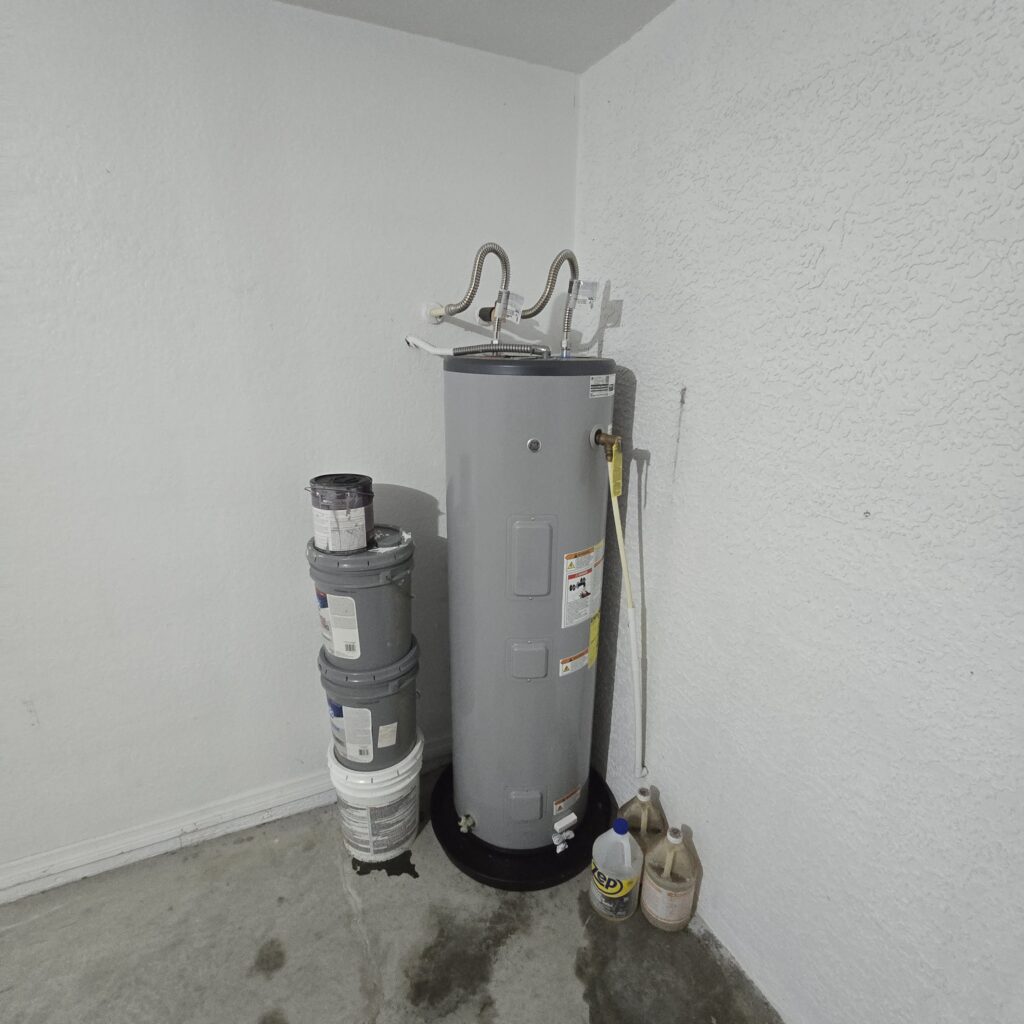
If the rotten egg smell only comes from hot water taps, your water heater is the prime suspect. Every tank style water heater contains a sacrificial anode rod, usually made of magnesium or aluminum. This rod exists to corrode in place of the steel tank, which extends the life of the water heater. The problem starts when sulfur bacteria in the tank react with the magnesium rod. That reaction produces hydrogen sulfide gas, which dissolves into the hot water and comes out at your faucets and showerheads. The smell is often strongest first thing in the morning or after returning from vacation. Water that sat warm and stagnant in the tank gives bacteria hours to work. This is one of the most common water heater complaints plumbers see in Central Texas.
You can confirm the water heater is the source with a simple test. Fill a glass with cold water from a tap and smell it; then fill a second glass with hot water and compare. If only the hot water smells like rotten eggs, the tank or anode rod is almost certainly responsible. Tanks set to low temperatures make the problem worse because bacteria thrive between 80 and 120 degrees Fahrenheit. Water heaters that sit unused in guest bathrooms or vacation properties are frequent offenders. Sediment buildup at the bottom of the tank feeds bacteria and compounds the odor. An aging anode rod that is mostly consumed can also accelerate the reaction. A water heater inspection will reveal the condition of the rod and the tank interior.
Fixing an anode rod problem is a job best left to a professional. The rod is threaded into the top of the tank and often requires significant force and special tools to remove. Replacing a magnesium rod with an aluminum zinc alloy rod usually eliminates the odor without sacrificing tank protection. A plumber can also disinfect the tank with a chlorination treatment to kill remaining bacteria. Raising the tank temperature temporarily can help, but this must be done carefully to avoid scalding risks. Never remove the anode rod entirely; a tank without one will rust out years early and void most warranties. Smell sulfur in your hot water? Click here for our water heater repair service and we will diagnose the tank properly.
Sulfur Bacteria in Wells and Pipes Cause Rotten Egg Smelling Water
When both hot and cold water smell like rotten eggs, the problem lives in your water source or your pipes. Sulfur reducing bacteria colonize wells, pressure tanks, and household plumbing lines. These bacteria are not typically harmful to health, but they produce hydrogen sulfide continuously as they feed. Wells drilled into sulfur rich aquifers deliver the gas directly from the ground. Iron bacteria often accompany sulfur bacteria and add a metallic taste along with slimy buildup inside pipes. The combination can clog well screens, foul pressure tanks, and reduce water flow throughout the house. Homeowners in rural areas around Georgetown, Leander, and Jonestown deal with this frequently. A water test identifies which bacteria are present and how concentrated the hydrogen sulfide is.
Bacteria can also settle inside the plumbing of homes on city water. Dead legs of pipe, old galvanized lines, and fixtures that rarely run give bacteria quiet places to grow. Corroded pipe interiors provide surface area and nutrients that support colonies. Drain lines can produce a similar smell that gets mistaken for a water problem; a dry P trap lets sewer gas rise into the room. To rule this out, fill a glass at the sink and step away from the drain before smelling it. If the glass smells fine but the sink area stinks, the drain is the issue, not the water. Biofilm buildup in a smelly drain responds well to professional cleaning. Persistent odors from the water itself require treatment at the source.
Well owners have several proven options for eliminating sulfur bacteria. Shock chlorination disinfects the well casing, pressure tank, and connected plumbing in one treatment. Severe or recurring cases may need continuous chlorination followed by carbon filtration. Aeration systems strip hydrogen sulfide gas from water before it enters the home. Oxidizing filters using manganese greensand handle moderate hydrogen sulfide levels effectively. The right solution depends on gas concentration, water chemistry, and household water usage. A licensed plumber can test your water and size the correct equipment the first time. Guessing at treatment wastes money and rarely solves the odor permanently.
How to Get Rid of the Rotten Egg Smell in Your Water
Getting rid of rotten egg smelling water starts with confirming the source. Test hot and cold taps separately, check multiple fixtures, and rule out drain odors before treating anything. Once you know where the hydrogen sulfide is coming from, the fix becomes straightforward. Water heater problems call for flushing, anode rod replacement, or tank disinfection. Supply problems call for filtration or well treatment. Some homes need a combination of solutions to eliminate the smell completely. DIY fixes help in mild cases, but stubborn odors usually require professional equipment and expertise. The three approaches below solve the vast majority of rotten egg water complaints.
Flush Your Water Heater to Remove the Rotten Egg Smell
Flushing the water heater removes the sediment that feeds odor causing bacteria. Sediment accumulates at the bottom of every tank as minerals settle out of the water. Central Texas has notoriously hard water, so tanks here build sediment faster than the national average. That sediment layer traps heat, harbors bacteria, and creates the perfect environment for hydrogen sulfide production. A proper flush drains the tank completely and rinses the sediment out through the drain valve. Most manufacturers recommend flushing at least once per year. Homes with hard water and no softener benefit from flushing every six months. A neglected tank can hold inches of sediment that no quick drain will remove.
The flushing process requires shutting off power or gas, closing the cold water supply, and connecting a hose to the drain valve. Water inside the tank can exceed 120 degrees, so scald risk is real for anyone unfamiliar with the procedure. Old drain valves frequently clog with sediment or fail to close afterward, which turns a maintenance task into a leak emergency. Plastic drain valves on older tanks can snap off entirely if forced. A plumber flushes the tank safely, checks the pressure relief valve, and inspects the anode rod during the same visit. That single appointment often catches problems before they become failures. Flushing alone may reduce the smell significantly if bacteria levels are low. Pairing a flush with a chlorination treatment gives the best odds of eliminating the odor.
Regular flushing delivers benefits far beyond odor control. A clean tank heats water faster and uses less energy every day. Sediment free tanks run quieter; the popping and rumbling many homeowners hear is water boiling through sediment layers. Removing sediment also extends tank life by years, which delays an expensive replacement. Flushing preserves manufacturer warranty coverage on many models. It also gives a plumber the chance to spot corrosion, leaks, and failing components early. Homeowners who flush annually rarely deal with sulfur smells returning. Make it part of your regular home maintenance schedule and your water heater will thank you.
Replace the Anode Rod to Fix Rotten Egg Smelling Water
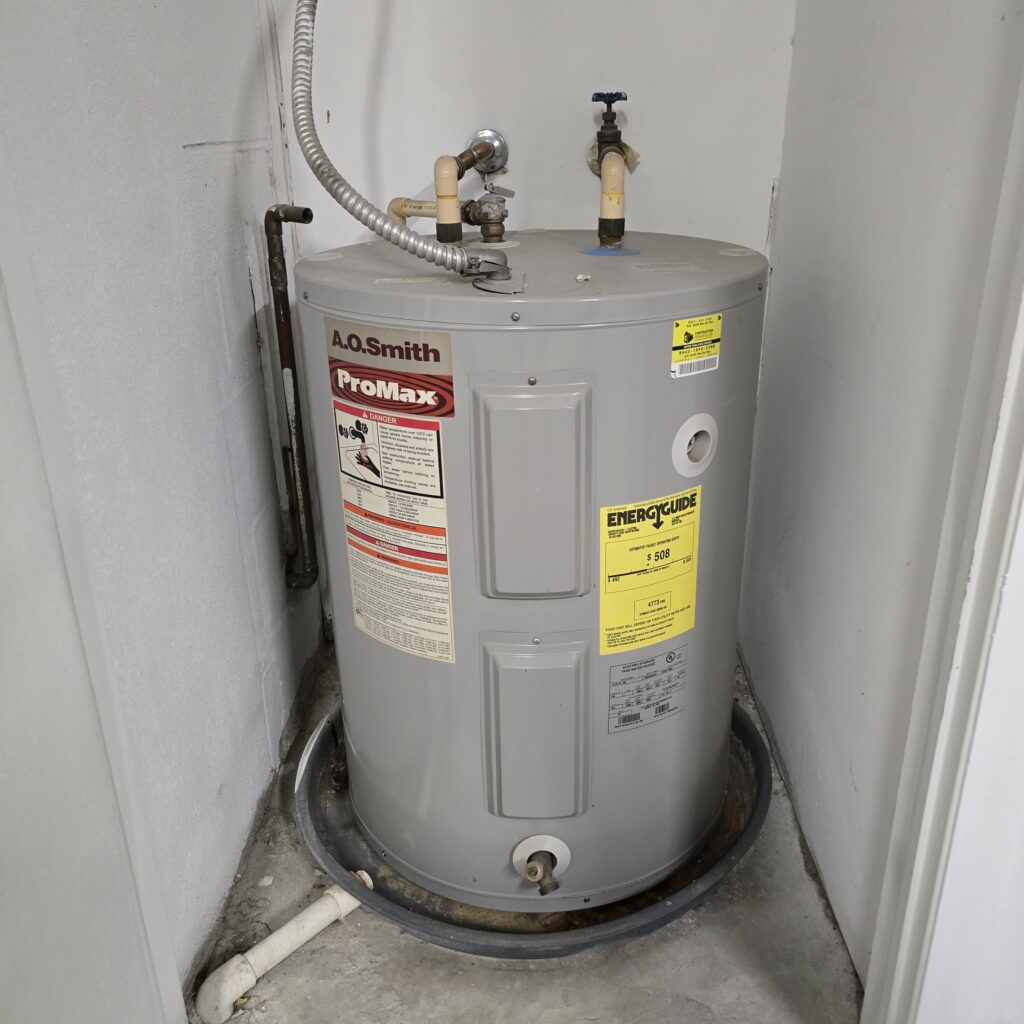
Anode rod replacement is the definitive fix for sulfur smells that come only from hot water. The standard magnesium rod reacts readily with sulfur bacteria and generates hydrogen sulfide as a result. Swapping it for an aluminum zinc alloy rod stops that reaction while still protecting the tank from corrosion. Powered anode rods are another excellent option; they protect the tank electronically and produce no gas at all. The replacement rod must match the tank size and clearance available above the heater. Flexible segmented rods exist for tanks installed in tight closets. Most rods last three to five years in Central Texas water conditions. Checking the rod during annual maintenance catches depletion before the tank starts corroding.
Removing an old anode rod is harder than it sounds. The rod is torqued into the tank at the factory and often fuses in place after years of heat cycles and mineral exposure. Breaking it loose requires a breaker bar, an impact wrench, or both. Applying that much force to the top of a tank can damage plumbing connections if done incorrectly. The old rod may come out coated in calcium or reduced to a bare wire core. Either condition confirms the rod was overdue for replacement. A plumber handles the removal, installs the correct replacement, and disinfects the tank in one visit. The smell typically disappears within a day or two of the swap.
Never operate a tank water heater without an anode rod installed. The rod sacrifices itself so the steel tank lining does not corrode. Without it, rust attacks the tank walls and a leak becomes a matter of time. A leaking tank can dump 40 to 80 gallons onto your floor, and that is before the supply line keeps feeding it. Most manufacturers void the warranty if the rod is removed rather than replaced. The cost of a new rod is a fraction of the cost of a new water heater. Not sure about the condition of your tank? Click here for our water heater inspection service and get a straight answer.
Install a Water Filtration System to Eliminate the Rotten Egg Smell
Whole home water filtration is the permanent solution when hydrogen sulfide comes from your water supply. Activated carbon filters absorb low levels of hydrogen sulfide and improve taste at the same time. Moderate levels call for oxidizing media filters, which convert the dissolved gas into solid particles the filter then traps. High concentrations respond best to aeration or chlorine injection systems paired with carbon polishing filters. The right system depends on a professional water test, because hydrogen sulfide levels vary widely between homes. Iron and manganese often accompany sulfur in Texas groundwater and require compatible treatment media. A properly sized system treats every tap in the house, not just the kitchen sink. Showers, laundry, and ice makers all benefit from clean, odor free water.
Point of use filters like faucet attachments and pitcher filters rarely solve a sulfur problem. Hydrogen sulfide off gasses at every fixture, so treating one tap leaves the smell everywhere else. Small carbon filters also exhaust quickly when loaded with sulfur, sometimes within weeks. Whole home systems install at the main water line and treat water before it ever reaches your plumbing. This protects pipes, water heaters, and appliances from corrosive sulfur compounds. It also stops the black staining that hydrogen sulfide leaves on fixtures and silverware. Installation requires cutting into the main line, so licensed plumbing work is essential. Improper installation can cause pressure loss, leaks, or backflow contamination.
A filtration system pays for itself through protected plumbing and appliances. Water heaters last longer when they are not fighting corrosive water every day. Faucets, valves, and seals stop degrading prematurely. Dishes come out of the dishwasher without a sulfur film, and laundry loses that musty edge. Drinking water straight from the tap becomes pleasant again, which cuts spending on bottled water. Home value benefits too; buyers notice water quality during showings. Ready to fix your water for good? Click here for our water filtration systems service and get a free estimate with clear, honest pricing.
Why You Need a Professional Plumber for Rotten Egg Smelling Water
Rotten egg smelling water has multiple possible causes, and treating the wrong one wastes time and money. A professional plumber tests the water, isolates the source, and applies the correct fix the first time. DIY chlorination and anode swaps can go wrong in ways that damage tanks or create scald hazards. Licensed work also protects your water heater warranty and your home insurance standing. Hydrogen sulfide corrodes plumbing quietly, so delays cost more than the repair. Professional diagnosis turns a recurring nuisance into a solved problem.
Professional Testing Finds the Source of the Rotten Egg Water Smell
Accurate testing separates a water heater problem from a supply problem in minutes. A plumber samples hot and cold water at multiple fixtures throughout the house. Field tests measure hydrogen sulfide concentration before the gas escapes the sample. Iron, manganese, hardness, and pH readings round out the picture. This data determines which treatment will actually work. Guesswork, by contrast, often leads homeowners to buy equipment that never touches the real cause.
Testing also rules out issues that mimic sulfur water. Dry P traps, biofilm in drains, and sewer gas leaks all produce similar odors. A plumber checks these possibilities during the same visit. Well owners get their casing, pressure tank, and wellhead evaluated too. Cross connections and failing check valves occasionally contribute to odor complaints. Each ruled out cause narrows the fix to the true source.
Documented test results guide long term water treatment decisions. Baseline numbers let you verify a treatment actually worked. Seasonal changes in groundwater show up in follow up tests. Homeowners planning a filtration purchase can size equipment with confidence. Test records also help when selling a home with a private well. Professional testing is a small investment that prevents expensive missteps.
Professional Plumbers Fix Rotten Egg Water Smells Safely
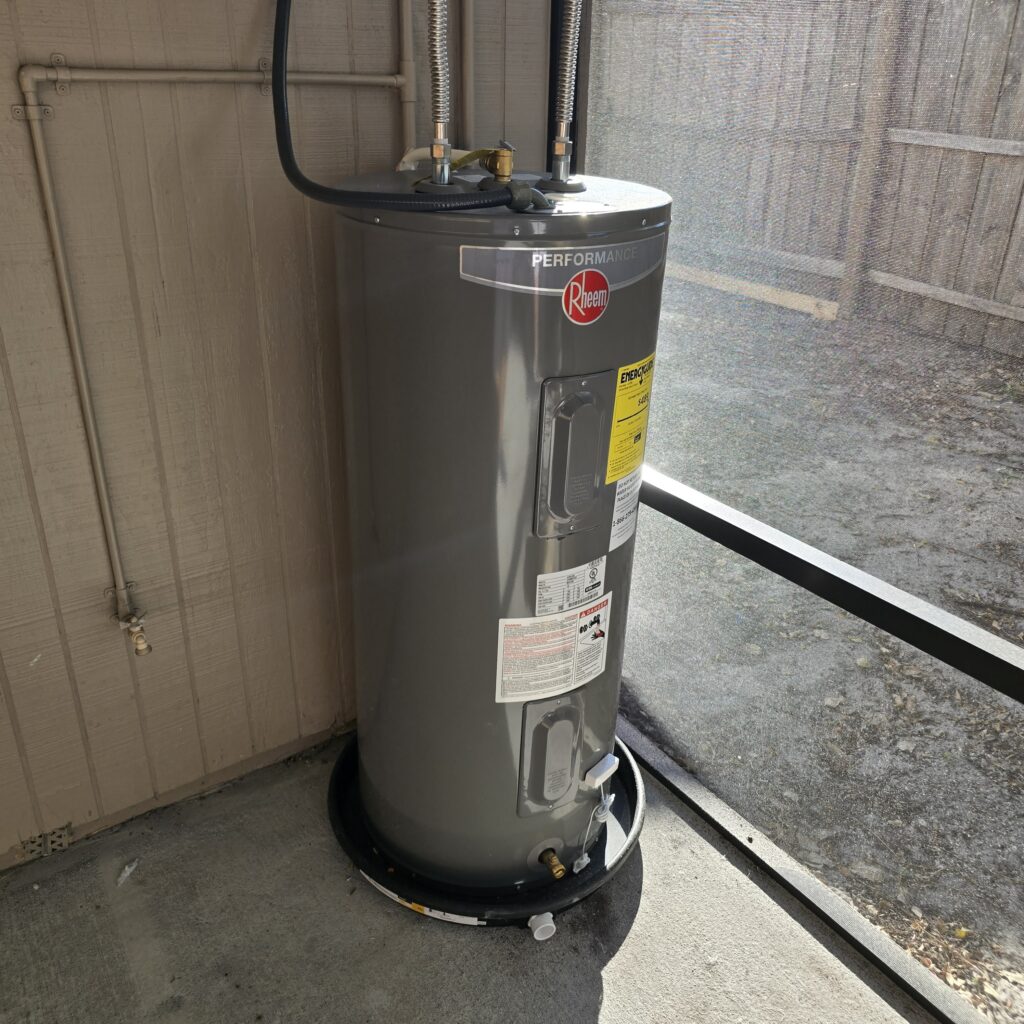
Sulfur odor repairs involve pressurized tanks, gas lines, electricity, and chlorine chemicals. Each one carries real risk for an untrained homeowner. A stuck anode rod can require over 100 foot pounds of torque to break free. Chlorination treatments demand precise concentrations and thorough flushing afterward. Gas water heaters add combustion and venting concerns to every repair. Licensed plumbers handle these hazards daily and carry insurance that protects your home.
Professional repairs also protect the equipment itself. Overtightened fittings crack tank ports and ruin heaters. Wrong replacement rods fail to protect the tank or refuse to fit under low ceilings. Improper filter installation causes pressure drops and leaks inside walls. A plumber matches parts correctly and tests everything before leaving. The repair works the first time, and it stays fixed.
Speed matters when your family cannot stand the water. A professional arrives with the parts, tools, and treatments needed to finish in one visit. There are no return trips to the hardware store or waiting on shipped parts. Emergency situations get same day attention with 24/7 availability. You get your water back fast and your weekend back too. That convenience alone justifies the service call for most homeowners.
Why Choose Whitestone Plumbing for Rotten Egg Water Smells
Whitestone Plumbing brings over 20 years of plumbing experience to every water quality call. Our technicians are licensed, insured, and backflow certified. We serve Cedar Park, Austin, Round Rock, Leander, Georgetown, Pflugerville, and surrounding communities. Local ownership means we know Central Texas water and the problems it causes. We have diagnosed hundreds of sulfur odor complaints in this area. That experience gets your water fixed right the first time.
We provide free estimates with clear, honest pricing on every job. You approve the cost before any work begins, with no surprises on the invoice. Our team explains what we found, why the smell happened, and how the fix prevents it from returning. We treat your home with respect and clean up completely. Every repair is backed by our commitment to 5 star service. Honest work built our reputation, and honest work keeps it.
Plumbing problems rarely wait for business hours, so neither do we. Whitestone Plumbing offers 24/7 emergency plumbing across our entire service area. Call us at (512) 826-6217 or email info@callwhitestone.com to schedule your water quality diagnosis. We will test your water, find the source of the smell, and give you a clear plan. Your family deserves water that smells and tastes clean. Contact Whitestone Plumbing today and get it done.