
How A Tankless Water Heater Handles Texas Heat
Texas summers push every appliance in your home to its limit, and your water heater is no exception. A tankless water heater handles the heat differently than a traditional tank model because it only fires up when you turn on a hot water tap. That on-demand design means the unit is not constantly working to keep 40 or 50 gallons of water hot inside a garage that may climb past 110 degrees in July. Homeowners across Cedar Park, Leander, and Georgetown often ask how their tankless system holds up when outdoor temperatures soar week after week. The answer comes down to incoming water temperature, ventilation, and proper sizing for the household. Texas heat actually works in favor of tankless units in some ways because the groundwater entering the home is already warmer, which reduces the workload on the burner. Still, the long stretches of triple-digit days bring their own challenges that every homeowner should understand. Knowing how your tankless water heater responds to summer conditions helps you protect your investment and keep hot water flowing without interruption.
How A Tankless Water Heater Performs During Texas Summer Heat
A tankless water heater performs well during Texas summer heat because the incoming groundwater temperature rises significantly between June and September. In the winter months, groundwater entering Central Texas homes can sit around 55 to 60 degrees, but by mid-summer that same water often arrives at 75 to 80 degrees. This temperature jump means the burner inside your tankless unit has to raise the water far fewer degrees to reach your set point of 120 degrees. The result is faster hot water delivery, lower gas consumption, and less strain on the heat exchanger. Texas homeowners often notice their tankless unit feels almost effortless during summer compared to winter operation. This seasonal advantage is one of the biggest reasons tankless water heaters have become so popular across Williamson and Travis counties. The technology pairs naturally with our climate when the system is sized correctly and maintained on schedule.
A Tankless Water Heater And Texas Summer Groundwater Temperatures
Texas summer groundwater temperatures play a major role in how efficiently a tankless water heater operates from May through September. When the groundwater entering your home is already 75 degrees, your tankless unit only needs to raise the temperature by about 45 degrees to deliver 120-degree water at the tap. Compare that to January, when the same unit may need to raise water by 65 or 70 degrees, and you can see why summer feels easier on the system. The burner cycles for shorter periods, the flow sensor activates more quickly, and the temperature output stays steadier across multiple fixtures. This is especially noticeable in homes with multiple bathrooms running showers, dishwashers, and laundry at the same time. Families in Round Rock and Pflugerville often report that their tankless heater seems to keep up better in summer than any other season. The science behind it is simple physics; less work for the burner means more consistent performance across the whole house.
The flip side of warmer groundwater is that homeowners sometimes set their tankless units to lower output temperatures during summer to save even more on gas usage. Lowering the set point from 125 degrees to 118 or 120 degrees can shave noticeable amounts off the monthly utility bill without affecting comfort. Most families do not need scalding hot water in July when even cold showers feel refreshing after yard work. A licensed plumber can adjust the temperature settings on your tankless unit safely and verify the system is calibrated correctly. This small seasonal adjustment is one of the easiest ways to maximize the efficiency of your tankless system during the hottest months. It also reduces the wear on internal components like the gas valve and heat exchanger over time. Need help adjusting your tankless system for summer? Click here for our tankless water heater service.
Warmer groundwater also helps the tankless unit handle higher flow demands during summer pool parties, guest visits, and back-to-back showers. The reduced temperature rise required means the burner can support more gallons per minute through the unit at the same gas input rate. A tankless water heater rated at 7 gallons per minute in winter might effectively deliver 9 or more gallons per minute during peak summer because of this efficiency gain. This expanded capacity is one reason Texas homeowners rarely complain about running out of hot water during the summer months. The system simply operates closer to its theoretical maximum output when the incoming water is warm. Understanding this seasonal performance curve helps homeowners plan upgrades, additions, or new construction with the right size unit. Properly sized tankless systems built around Texas groundwater patterns deliver years of reliable service.
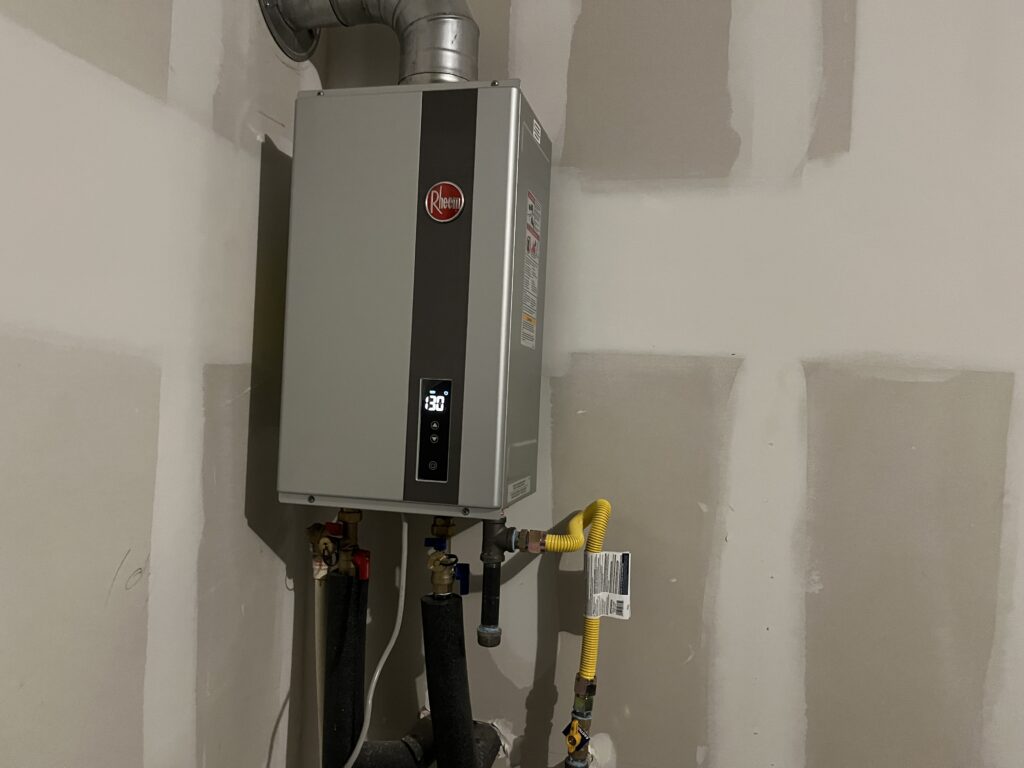
A Tankless Water Heater And Texas Heat In The Garage Or Utility Closet
Texas heat in the garage or utility closet creates a unique environment for any tankless water heater installed inside an attached structure. Garage temperatures in Cedar Park and Leander routinely climb above 110 degrees during July and August afternoons. While tankless units are built to handle high ambient temperatures, extreme heat does affect electronic components, ignition modules, and ventilation airflow. The unit needs proper combustion air intake to operate safely, and a garage full of hot stagnant air reduces the efficiency of that combustion. This is why proper venting and adequate clearance around the unit are critical for long-term reliability. Homeowners should never store boxes, paint cans, or chemicals close to a tankless water heater regardless of the season. Summer heat amplifies the risk of fume buildup and combustion problems when clearances are ignored.
The control board inside a tankless water heater is one of the most heat-sensitive components in the entire system. When garage temperatures climb into the triple digits day after day, the electronics inside the unit work harder to maintain stable operation. Some models include thermal protection that shuts the unit down if internal temperatures exceed safe limits, which is a feature rather than a flaw. Homeowners who experience occasional summer shutdowns may benefit from improved garage ventilation, attic fans, or insulation upgrades around the heater location. A professional plumber can inspect the installation and recommend adjustments to keep the unit operating safely through the worst heat waves. These small environmental improvements often add years to the lifespan of a tankless system. Protecting the electronics from extreme ambient heat is one of the best summer maintenance steps a Texas homeowner can take.
Outdoor installations present their own set of summer challenges because the unit is directly exposed to sun, humidity, and dust. Wall-mounted exterior tankless units installed on west-facing or south-facing walls absorb significant solar heat throughout the afternoon. Adding a small shade cover or relocating the unit to a shaded wall can dramatically reduce surface temperatures and protect the housing. Dust and pollen from Texas summer winds can also clog intake screens and reduce airflow into the combustion chamber. Annual cleaning and inspection of the exterior housing keeps these issues from turning into bigger problems. A licensed plumber can perform this seasonal service quickly and check all the components that matter most for hot weather operation. Routine attention prevents the kind of mid-summer breakdowns that leave families without hot water during the busiest time of year.
A Tankless Water Heater And Texas Heat Demand From Showers And Appliances
Texas heat demand from showers and appliances runs high during summer because families take more showers, wash more clothes, and run dishwashers more often. Kids coming in from the pool, adults rinsing off after yard work, and pets getting baths all add up to heavy hot water usage. A tankless water heater handles this demand well because it never runs out the way a 50-gallon tank can during back-to-back showers. The unit simply continues heating water as long as the demand is there, supplying hot water indefinitely within its flow rate capacity. This makes tankless the ideal choice for households with three or more bathrooms and multiple water-using appliances. Summer is when the endless hot water advantage of a tankless system really shines for Central Texas families. The technology was built for exactly this kind of high-volume, multi-fixture lifestyle.
Flow rate becomes the most important specification during peak summer demand because it determines how many fixtures the unit can support simultaneously. A whole-home tankless water heater typically delivers between 7 and 11 gallons per minute depending on the model and gas supply. Running two showers at 2.5 gallons per minute each plus a washing machine at 2 gallons per minute already pushes the system to 7 gallons per minute. Adding a kitchen sink or dishwasher on top of that can exceed the capacity of smaller units. Homeowners experiencing temperature drops during peak usage may need a larger unit or a second tankless heater for specific zones of the house. A professional load calculation by a licensed plumber identifies the right solution for each home. Looking to upgrade your hot water capacity? Click here for our water heater installation service.
Appliance settings also affect how hard a tankless water heater works during summer heat demand cycles. Dishwashers with internal heaters can be set to use cooler incoming water, reducing the load on the tankless unit during dinner cleanup. Washing machines on cold water cycles eliminate hot water demand entirely for most loads during summer. These small adjustments stack up over a long Texas summer and reduce the total runtime of the tankless burner. Less runtime means less wear on the heat exchanger, gas valve, and ignition system over the life of the unit. Homeowners who manage their hot water usage strategically during summer often see their tankless systems last well beyond the typical 20-year lifespan. Smart appliance use is one of the easiest ways to protect any water heater investment.
How Texas Heat Affects Tankless Water Heater Maintenance
Texas heat affects tankless water heater maintenance in ways that homeowners need to plan for year after year. The combination of hard water minerals, high ambient temperatures, and heavy summer demand creates conditions that accelerate scale buildup inside the heat exchanger. Cedar Park, Round Rock, and Georgetown all sit on limestone aquifers that produce some of the hardest water in the country. When that mineral-rich water passes through a tankless unit running heavy summer cycles, calcium and magnesium deposits form quickly on internal surfaces. These deposits reduce efficiency, extend heating times, and eventually damage the heat exchanger if left unaddressed. Annual flushing and descaling is not optional for Texas homeowners; it is essential maintenance for any tankless system. Skipping this service is the single biggest reason tankless units fail prematurely in Central Texas.
Texas Heat And Tankless Water Heater Flushing Schedules
Tankless water heater flushing schedules in Texas should follow a stricter calendar than the manufacturer recommendations written for average water conditions. Most manufacturers suggest annual flushing, but Central Texas hard water often calls for service every 9 to 12 months at minimum. Homes without a water softener may need flushing every 6 to 8 months to keep scale from accumulating to dangerous levels. The flushing process uses a food-grade descaling solution circulated through the heat exchanger for 45 minutes to an hour. This dissolves mineral buildup and restores the unit to near-original efficiency levels. A licensed plumber performs the service quickly and inspects the rest of the system at the same time. Staying ahead of scale buildup is the most reliable way to extend the life of a tankless water heater in Texas.
Summer is actually one of the best times to schedule a tankless water heater flush because of the heavy usage the unit has just endured or is about to face. Many homeowners book their annual flush in late spring before the worst of the summer demand hits the system. Others schedule the service in early fall after the peak load has passed and any summer-induced wear can be assessed. Either timing works well as long as the service happens before mineral buildup reaches the critical point. Waiting too long between flushes leads to error codes, temperature fluctuations, and eventually heat exchanger failure. Replacement of a heat exchanger costs significantly more than years of routine flushing service combined. Preventive maintenance is always cheaper than emergency repair, especially during the hottest months of the year.
Signs that a tankless water heater needs flushing include longer wait times for hot water, fluctuating temperatures at the tap, and unusual sounds from the unit during operation. Error codes related to flow sensors or temperature sensors often point to scale buildup affecting internal measurements. Reduced flow rate at hot water fixtures even when cold water flow seems normal is another common indicator. Texas homeowners who notice any of these symptoms during summer should call a licensed plumber before the problem worsens. Catching scale buildup early means a simple flush solves the issue, while ignoring the signs can lead to expensive component replacement. Want to schedule your tankless flush? Click here for our tankless water heater service.

Texas Heat And Tankless Water Heater Ventilation Checks
Tankless water heater ventilation checks become more important during Texas summers because hot ambient air affects combustion air quality and exhaust performance. The intake vent pulls in air for the burner, and that air needs to be relatively clean and unobstructed for proper combustion. Summer brings increased dust, pollen, and debris that can accumulate on intake screens and vent terminations. Spider webs, bird nests, and wasp activity around vent openings are common problems during Texas warm months. A quick visual inspection of all vent terminations should be part of every summer maintenance routine. Clogged or restricted vents force the unit to work harder and can trigger safety shutdowns during peak demand. Keeping vents clear is one of the simplest and most overlooked maintenance tasks for tankless owners.
Exhaust vents also need attention during summer because the unit may be cycling more often and producing more combustion byproducts than during cooler months. Condensate from high-efficiency tankless units can build up in exhaust runs and create blockages or corrosion over time. The condensate drain line itself needs to be checked for clogs, especially in units installed in dusty garage environments. A licensed plumber inspects all these components during routine service and clears any buildup before it causes operational problems. Proper exhaust function also protects indoor air quality by ensuring combustion gases leave the home safely. This safety aspect alone makes annual ventilation checks worth the small investment in professional service. Texas homeowners should never ignore exhaust or venting issues regardless of the season.
Combustion air supply in sealed garages or utility closets needs verification during summer heat checks as well. Some installations rely on louvered doors, transom vents, or dedicated combustion air ducts to supply enough oxygen for safe burner operation. When summer heat pushes everything in the garage to higher temperatures, the available air mass actually contains less oxygen per cubic foot. This can stress combustion in marginal installations and lead to incomplete burns or sooting inside the heat exchanger. A professional plumber checks the combustion analysis and air supply during summer service visits. Correcting marginal air supply early prevents long-term damage and keeps the unit operating at peak efficiency. Good ventilation is non-negotiable for safe and reliable tankless operation.
Texas Heat And Tankless Water Heater Water Filtration
Tankless water heater water filtration solutions go a long way toward protecting your investment from the harsh mineral content in Central Texas water supplies. A whole-home water softener removes calcium and magnesium before that water ever reaches the tankless heat exchanger. This single addition can extend the time between required flushes from 8 months to 18 months or longer in many homes. Water softeners also protect every other appliance in the house, from dishwashers to washing machines to faucet fixtures. The combined savings on appliance lifespan and reduced maintenance often pay for the softener within a few years of installation. Cedar Park, Leander, and Round Rock homes especially benefit from softening because of the limestone-heavy aquifer water in the area. Soft water and tankless water heaters are a natural pairing in Texas.
Dedicated sediment filters installed before the tankless inlet add another layer of protection by catching grit, rust flakes, and small debris that can damage flow sensors. Texas water mains occasionally push small amounts of sediment through the system after main repairs, hydrant flushing, or pressure changes. A simple 5-micron sediment filter catches this debris before it reaches the sensitive internal components of the tankless unit. These filters are inexpensive and easy to change every 6 to 12 months depending on local water conditions. Many homeowners pair a sediment filter with a scale-reduction cartridge for maximum protection on a budget. Want to add filtration to protect your tankless heater? Click here for our water filtration system service.
Reverse osmosis systems and whole-home filtration setups also contribute to better tankless performance by removing chlorine and other chemicals that can corrode internal components over time. While chlorine damage tends to develop slowly, the cumulative effect over 15 or 20 years of operation can shorten the useful life of any water heater. Filtration systems matched to the specific water chemistry of each home deliver the best long-term results. A licensed plumber tests the water, recommends the right combination of softening and filtration, and installs the equipment properly. This kind of comprehensive water treatment approach protects every plumbing component throughout the house. Tankless water heaters last longest when paired with thoughtful water quality management strategies.
Why You Need Whitestone Plumbing For Your Tankless Water Heater In Texas Heat
Texas summers demand a plumbing partner who understands how local conditions affect every component of your hot water system. Whitestone Plumbing has spent over 20 years working on tankless water heaters across Cedar Park, Leander, Round Rock, Georgetown, and the surrounding communities. We know the water chemistry, the climate challenges, and the specific brands of tankless units installed throughout Central Texas. Our licensed technicians arrive on time, diagnose problems accurately, and explain every recommendation in plain language. We never push unnecessary repairs or upsell services that do not benefit our customers.
Why You Need A Licensed Plumber For Your Tankless Water Heater In Texas Heat
A licensed plumber for your tankless water heater in Texas heat brings expertise that matters during the hottest months of the year. Tankless systems involve gas lines, electrical connections, venting, water connections, and electronic controls that all need professional handling. Texas code requires licensed work on gas appliances for good reason; mistakes with combustion equipment can be dangerous. Our team holds current Texas plumbing licenses and stays trained on every major tankless brand sold in the region. We carry the right tools, parts, and diagnostic equipment to handle any tankless issue on the first visit.
Licensed plumbers also know how to pull permits, follow local codes, and pass inspections for tankless installations and replacements. Cedar Park, Leander, and Austin all have specific requirements for water heater installations that change occasionally as codes update. Working with a licensed professional protects your home insurance coverage and your property value over the long term. Unpermitted gas appliance work can create serious problems when selling a home or filing a claim. We handle all the paperwork and inspections as part of every installation we perform.
The diagnostic skills of a licensed plumber make a difference when summer breakdowns happen at the worst possible time. Error codes on tankless units can point to many different root causes, and only experience tells the difference between a simple sensor issue and a serious component failure. Our technicians have seen every common and uncommon tankless problem across Central Texas. This experience translates into faster repairs, fewer return visits, and lower total costs for the homeowner. Trust matters when a stranger is working on gas and water in your home.
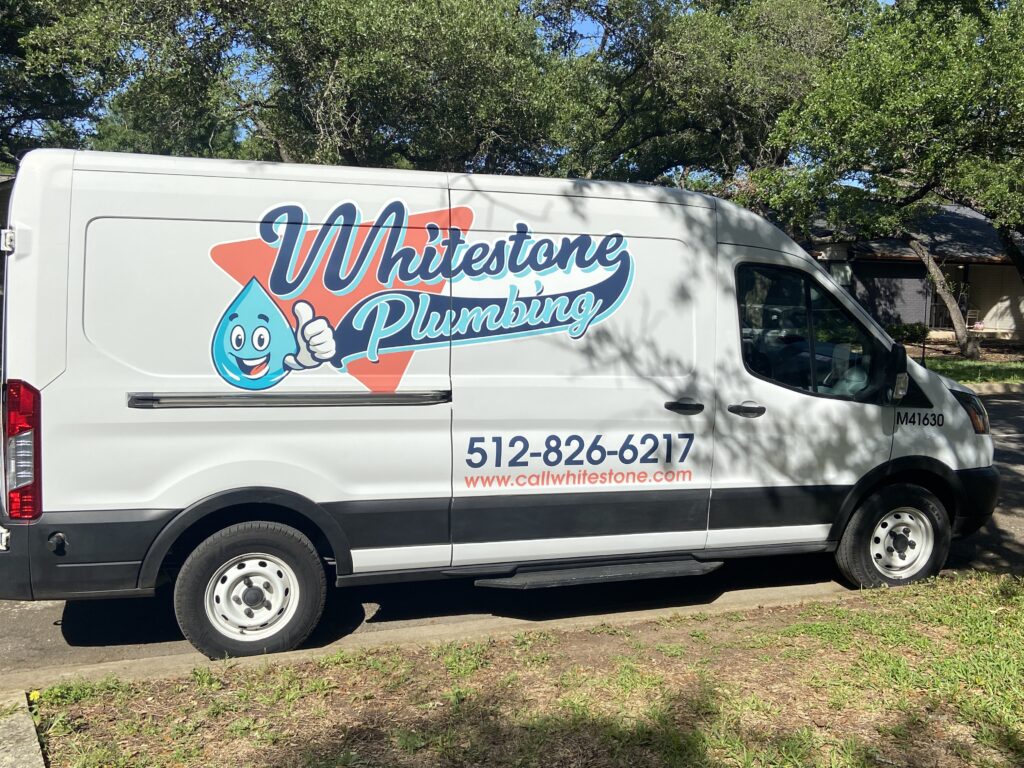
Why You Need Fast Service For Your Tankless Water Heater In Texas Heat
Fast service for your tankless water heater in Texas heat keeps your family comfortable when temperatures outside are punishing. Summer is not the time to wait three days for a plumber to show up. Whitestone Plumbing offers 24/7 emergency service for water heater issues across our entire service area. We answer the phone, dispatch quickly, and arrive prepared to solve the problem. Hot water matters even more when everyone is showering more often to stay cool.
Our trucks carry the most common tankless parts and components for major brands sold in Texas. This means many repairs happen on the first visit without waiting for parts to ship from out of town. Flow sensors, thermistors, gas valves, and ignition modules are all stocked on our service vehicles. Less waiting means less disruption to your daily routine during the busiest season for hot water demand. Fast service is one of the things that sets us apart from larger franchise operations.
Scheduling routine maintenance is also fast and convenient with our online booking and phone scheduling options. Most homeowners can book a tankless flush or inspection within a day or two of calling. We work around your schedule, including evenings and weekends when possible. Preventive maintenance scheduled in advance prevents the kind of emergency calls that disrupt everyone’s summer plans. Staying ahead of problems is always the best strategy for Texas homeowners with tankless systems.
Why You Need Whitestone Plumbing For Your Tankless Water Heater Service
Whitestone Plumbing for your tankless water heater service combines local knowledge, fair pricing, and a commitment to honest workmanship. We are locally owned and operated, which means we live in the same communities we serve. Our reputation depends on every job we do, and we treat every customer the way we would want to be treated. Free estimates with clear, honest pricing are standard on every job we quote. No surprises, no hidden fees, no upselling pressure.
Our backflow licensed and certified technicians handle the full range of plumbing services beyond just water heaters. From gas line repair to drain cleaning to repiping, we are the one-call solution for Central Texas homes. This means you build a long-term relationship with a plumbing company that knows your home and your history. Many of our customers have been with us for over a decade because of the trust we have earned. That kind of loyalty only comes from doing the job right every single time.
Call Whitestone Plumbing today at (512) 826-6217 to schedule service for your tankless water heater. We are located at 702 Dewberry Dr in Cedar Park and serve all the surrounding communities seven days a week. Email us anytime at info@callwhitestone.com for non-emergency questions or to request a quote. Our team is ready to help you get the most out of your tankless system through every Texas summer ahead. Five-star service from a plumber you can trust is just one phone call away.