How Plumbing Inspections Protect Home Value
For most people, a home is the single largest financial investment they will ever make. It is a repository of wealth, a savings account that you live in, and a legacy to pass down or sell for a profit in the future. Protecting this investment requires more than just mowing the lawn and applying a fresh coat of paint every few years. The true value of a home lies in the integrity of its core systems, and few systems are as critical or as potentially destructive as the plumbing. Water is the lifeblood of a household, but when contained improperly, it becomes a relentless force of destruction.
Many homeowners in Cedar Park treat plumbing with a reactive mindset. They wait for a pipe to burst, a drain to clog, or a water heater to fail before calling a professional. This approach is inherently risky and often expensive. By the time a problem manifests as a visible emergency, the damage has often already occurred behind the walls or beneath the foundation. This deferred maintenance eats away at the equity of the home, reducing its market value and scaring away potential buyers who fear inheriting a money pit.
A comprehensive plumbing inspection is a proactive shield for your property value. It is a health checkup for the veins and arteries of your house. Just as you would not drive a car for years without checking the oil or tires, you should not ignore the complex network of pipes, valves, and fixtures that keep your home sanitary and comfortable. Regular inspections detect issues while they are minor, manageable, and cheap to fix. They provide a documented history of care that proves to future buyers that the home has been maintained to the highest standard. In a competitive real estate market, the peace of mind offered by a certified plumbing inspection can be the deciding factor that preserves your asking price.
Preventing Structural Water Damage
Water damage is the silent killer of home value. It does not always happen with a dramatic flood; often, it is a slow, steady leak that persists for months or years undetected. A small drip from a supply line inside a wall cavity can saturate the insulation, rot the wooden framing, and crumble the drywall. This structural rot compromises the skeleton of the house. When a home inspector for a potential buyer uncovers evidence of long-term water damage, the value of the home drops precipitously. The buyer sees a major renovation project rather than a move-in-ready residence.
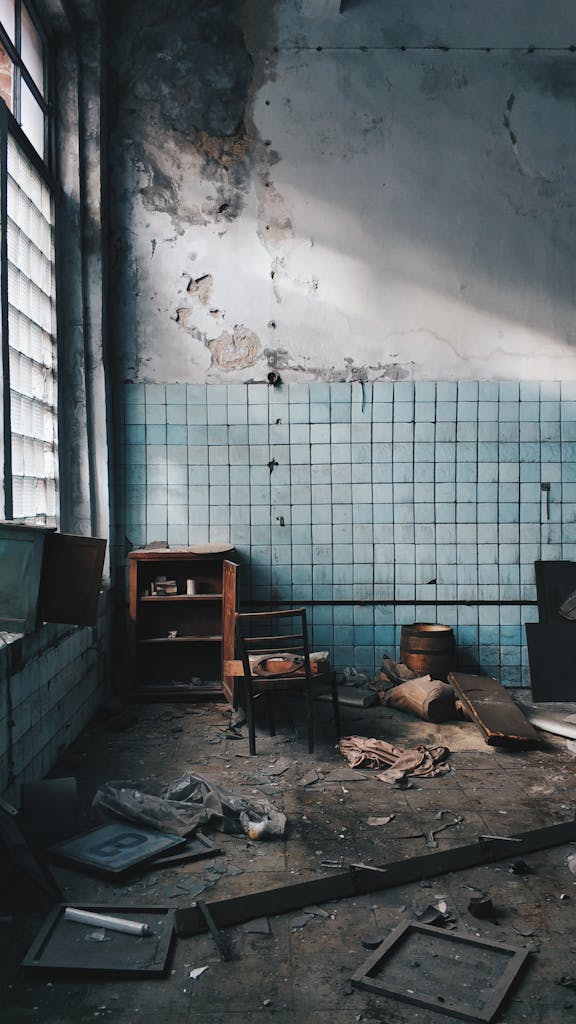
Plumbing inspections utilize advanced diagnostic tools to find these hidden threats. Professional plumbers can identify moisture levels behind walls and spot subtle signs of corrosion on exposed pipes that suggest a larger issue. They check the integrity of the caulking and seals around tubs and showers, which are common entry points for water to seep into the subfloor. Catching a leak before it rots the floor joists means the difference between a simple repair bill and a five-figure construction project.
Furthermore, water damage often leads to mold growth. Mold is a four-letter word in real estate. The presence of mold suggests neglect and poses health risks that can make a home virtually unsellable until costly remediation is performed. An inspection checks for the conditions that allow mold to thrive, such as persistent humidity from slow leaks or poor ventilation in bathrooms. By keeping the structure dry, you preserve the physical asset that supports your financial future.
The Vital Role of Sewer Line Health
The condition of the main sewer line is a major concern for savvy homebuyers. This pipe is buried underground, out of sight and often out of mind, until it fails. In Cedar Park, where mature trees line many streets, root intrusion is a constant threat. Roots seek out the moisture inside sewer pipes, entering through tiny cracks and growing into massive tangles that block the flow of waste. Additionally, shifting soil can cause pipes to belly or crack, leading to sewage leaking into the yard.
A standard plumbing inspection often includes or can be upgraded to include a camera inspection of the sewer line. This involves feeding a high-definition camera into the pipe to visually assess its condition. Discovering a collapsed or root-infested sewer line during a pre-listing inspection allows the homeowner to address the issue on their own terms. They can choose the most cost-effective repair method, such as trenchless pipe lining, rather than being forced into a desperate, expensive fix during the closing process of a sale.
If a buyer discovers a bad sewer line during their inspection, they will likely demand a massive price reduction or walk away entirely. The cost of replacing a sewer line can run into the thousands, and the uncertainty of the project scares off purchasers. By maintaining a clean, functional sewer line and having the video evidence to prove it, you remove a significant objection from the negotiation table. It assures the buyer that they won’t be digging up the front lawn two weeks after moving in.
Extending the Life of the Water Heater
The water heater is one of the most hardworking appliances in the home. It operates continuously to ensure hot water is available on demand. However, it is also prone to failure if not maintained. In areas with hard water, sediment builds up at the bottom of the tank. This layer of minerals acts as an insulator, forcing the burner or heating element to work harder to heat the water. This increases energy bills and drastically shortens the lifespan of the unit.
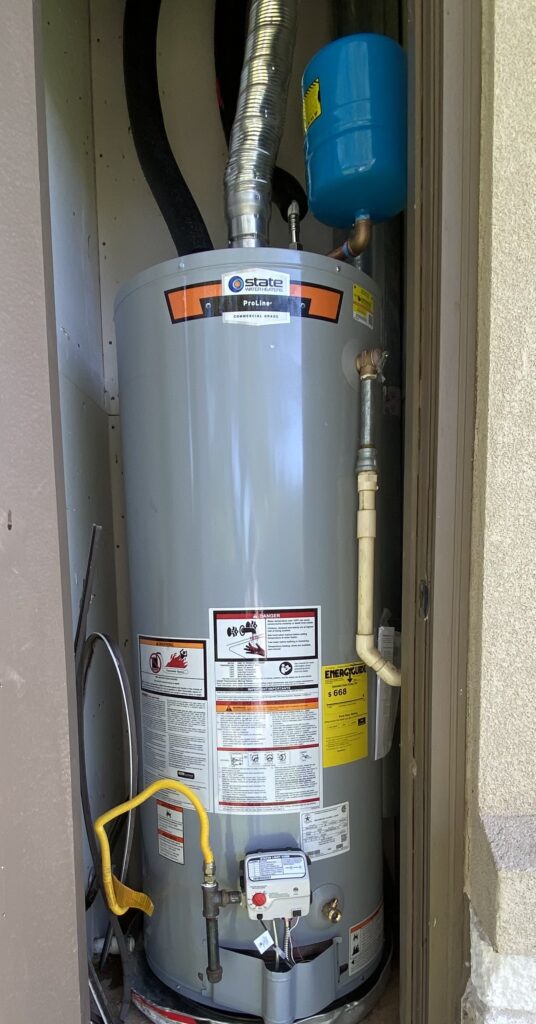
During a plumbing inspection, the plumber flushes the tank to remove this sediment and checks the condition of the anode rod. The anode rod is a sacrificial piece of metal designed to attract corrosion so that the tank itself does not rust. Replacing a twenty-dollar anode rod can add years to the life of a water heater. An inspector also checks the temperature and pressure relief valve, a critical safety device that prevents the tank from exploding if pressure builds up too high.
When selling a home, the age and condition of the mechanical systems matter. A water heater that is rusting, leaking, or past its expected lifespan is a red flag. It tells the buyer that they will have an immediate expense upon moving in. Conversely, a well-maintained unit that has been inspected and serviced regularly is a selling point. It signals that the home is efficient and safe. Protecting the water heater protects the home’s value by reducing the perceived “cost of ownership” for the next resident.
Water Pressure and Pipe Integrity
High water pressure might feel luxurious in the shower, but it is terrible for your plumbing pipes and fixtures. Municipal water supply pressure can fluctuate, and if it enters your home at too high a psi (pounds per square inch), it puts immense stress on the system. It can blow out appliance seals, cause toilet fill valves to fail, and weaken pipe joints, leading to bursts. Conversely, low water pressure can indicate hidden leaks or significant corrosion inside galvanized pipes that is restricting flow.
A plumbing inspection involves testing the static water pressure to ensure it falls within the safe range, typically between 40 and 80 psi. If the pressure is too high, the plumber can recommend installing or adjusting a pressure reducing valve (PRV). This simple device acts as a throttle, protecting the entire home from the surges of the city supply. Controlling the pressure extends the life of every dishwasher, washing machine, and faucet in the house.
For homes with older piping materials, an inspection is crucial for assessing the remaining service life. Knowing whether your pipes are nearing the end of their utility allows you to plan for a repipe strategically rather than facing a catastrophic flood. For a buyer, knowing that the water pressure is regulated and the pipes are sound provides confidence that the plumbing system is stable. It eliminates the fear of immediate, large-scale plumbing failures.
Detecting Slab Leaks Early
Many homes in Texas are built on slab foundations. While durable, this construction method encases plumbing pipes in concrete or runs them directly beneath the slab. If one of these pipes leaks, it is known as a slab leak. These are notoriously difficult to detect without professional equipment because the water may not immediately surface. Instead, it can erode the soil supporting the foundation, causing the house to settle, shift, and crack.
A slab leak is a direct threat to the home’s structural value. Foundation repairs are incredibly expensive and can stigmatize a property permanently. A plumbing inspection can identify slab leaks through pressure tests and listening devices before they cause foundation movement. Catching a slab leak early allows for a less invasive repair, such as rerouting a single line, rather than lifting the entire house with piers.
The presence of an unaddressed slab leak can render a home unsellable. Insurance companies are often hesitant to insure homes with foundation issues, and mortgage lenders will not approve loans for them. By conducting regular plumbing inspections, you ensure that the ground beneath your home remains solid. You protect the asset from the bottom up, ensuring that the physical footprint of the house remains stable and secure.
The Value of Efficiency and Updates
Modern homebuyers are increasingly conscious of efficiency. They want homes that are cheap to operate and environmentally friendly. Older, inefficient plumbing fixtures not only waste water but also make a home feel dated. A plumbing inspection serves as a consultation for modernization. A plumber can point out toilets that use gallons per flush unnecessarily or showerheads that restrict flow without saving water effectively.
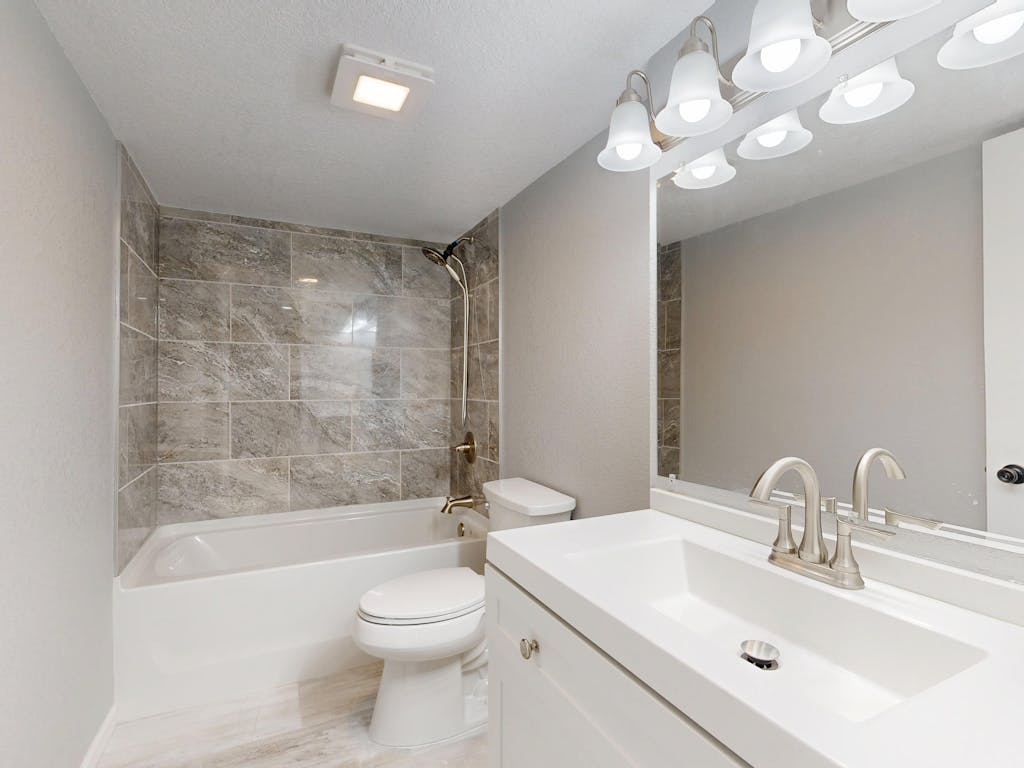
Upgrading to low-flow, high-performance fixtures is a relatively low-cost way to increase home value. It lowers utility bills, which is an attractive feature for buyers calculating their monthly budget. An inspector can also recommend modern conveniences like tankless water heaters or water filtration systems. These upgrades are value-added propositions that distinguish a home in a crowded market.
Furthermore, an inspection ensures that any DIY work done by previous owners is up to code. Illegal or improper plumbing connections are common in older homes where handymen might have cut corners. These code violations can hold up a sale during the buyer’s inspection phase. proactively finding and correcting these issues ensures a smooth transaction and prevents the seller from having to make desperate concessions at the closing table.
Documentation and Buyer Confidence
In the real estate world, documentation is currency. When you list your home, being able to produce a file of annual plumbing inspection reports is a powerful negotiation tool. It proves that you have been a responsible steward of the property. It moves the conversation from “what might be wrong with this house?” to “look how well-cared-for this house is.” This psychological shift is invaluable.
Buyers are naturally suspicious. They assume that sellers are hiding defects. Transparency, backed by professional reports, builds trust. A buyer who trusts the condition of the home is more likely to offer the full asking price and less likely to demand repairs for minor cosmetic issues. They view the home as a premium product because the critical infrastructure has been verified by experts.
This documentation also helps with insurance claims. If a disaster does occur, having a record of maintenance proves that the failure was sudden and accidental, rather than the result of long-term negligence. This can make the difference between a claim being approved or denied. In every sense, the paper trail created by regular inspections adds financial security to the homeownership experience.
The value of your home is inextricably linked to the functionality of its plumbing. A beautiful kitchen renovation or a landscaped backyard means little if the pipes in the walls are leaking or the sewer line is backed up. Plumbing inspections are the most effective way to safeguard the equity you have built in your property. They shift the dynamic from reactive crisis management to proactive asset protection. By identifying and resolving issues before they spiral into disasters, you save money on repairs, lower your utility bills, and preserve the structural integrity of the house.
For residents of Cedar Park, the unique local conditions—from hard water to shifting soils—make these inspections even more critical. Ignoring the plumbing system is a gamble with high stakes. The cost of an inspection is a fraction of the cost of the damage that an undetected leak can cause. It is an investment in the longevity of the home and the financial security of the people who live in it. Whether you plan to sell next month or stay for the next twenty years, the peace of mind provided by a verified, healthy plumbing system is priceless.
Whitestone Plumbing is committed to helping homeowners in our community protect their biggest investment. Our comprehensive plumbing inspections are designed to be thorough, transparent, and educational. We provide you with a clear picture of your home’s health, empowering you to make smart decisions about maintenance and upgrades. Don’t leave your home’s value to chance. Contact Whitestone Plumbing today to schedule your inspection and ensure your home remains a safe, valuable, and comfortable sanctuary.